


After Stroke (M) Formula is a traditional Chinese herbal formula created for patterns involving Mucus/Phlegm, Phlegm-Dampness, Wind, Qi deficiency, and obstruction of the channels. Within the Silkie Herbs® family herbal system, this pattern is traditionally associated with weakness or facial imbalance affecting the right side.
The “M” in After Stroke (M) Formula refers to Mucus/Phlegm. After Stroke (B) Formula is used for a Blood Stagnation (Blood Stasis) pattern traditionally associated within our system with weakness affecting the left side.
In Traditional Chinese Medicine (TCM), Phlegm refers to more than mucus in the throat or lungs. Internal Phlegm may develop when weakened Spleen Qi does not properly transform and transport food and fluids. Over time, Dampness and Phlegm may accumulate and obstruct the channels and collaterals, interfering with the smooth movement of Qi and Blood.
When Wind combines with Phlegm-Dampness and enters the channels, individuals may experience heaviness, numbness, stiffness, facial asymmetry, reduced facial movement, or difficulty controlling the muscles around the eye and mouth.
After Stroke (M) Formula follows the traditional principles of strengthening Qi, transforming Phlegm-Dampness, dispelling Wind, nourishing Blood, and supporting the free movement of Qi and Blood through the channels. It is traditionally used to nourish the facial muscles and tissues while supporting facial movement, expression, coordination, and overall internal balance.*
For individuals whose right-sided facial weakness is accompanied by poor digestion, bloating, loose stools, fatigue, heaviness, excessive mucus, or other signs of weakened Spleen Qi and Phlegm-Dampness, After Stroke (M) Formula may be combined with Spleen Support and Immune Booster when appropriate for the individual’s complete TCM pattern.
In TCM, the Spleen and Stomach transform food and fluids into Qi and Blood. When Spleen Qi becomes weak, fluids may not be transformed properly, allowing Dampness and Phlegm to accumulate. Strengthening Spleen Qi and supporting healthy fluid transformation may therefore complement a formula designed to address Phlegm obstructing the channels.
Spleen Support is traditionally used to strengthen Spleen and Stomach Qi, support digestion and nutrient transformation, transform Dampness, and address the underlying tendency to accumulate Phlegm.*
Immune Booster is traditionally used to strengthen Qi, support the Lung system and defensive Qi (Wei Qi), and promote constitutional strength when fatigue, weakness, or depletion is present.*
When appropriate for the individual’s TCM pattern, After Stroke (M) Formula + Spleen Support + Immune Booster provides broader traditional support for transforming Phlegm-Dampness, strengthening Qi, supporting digestion, nourishing Qi and Blood, and maintaining healthy facial movement and overall vitality.*
Non-GMO | Gluten-Free | No refined sugar, corn, or dairy | No artificial colors, flavors, preservatives, chemical binders, or wax
Made with carefully selected traditional herbs and pure honey; blended and packaged in the USA.
After Stroke (M) Formula is designed according to the Silkie Herbs® Mucus/Phlegm pattern traditionally associated with right-sided facial weakness and imbalance. Its traditional functions focus on transforming Phlegm-Dampness, dispelling Wind, opening the channels, nourishing Blood, and supporting the smooth circulation of Qi and Blood.*
In Traditional Chinese Medicine (TCM), weakened transformation and transportation of fluids may allow Dampness and Phlegm to accumulate. When Phlegm-Dampness obstructs the channels, it may contribute to facial heaviness, numbness, stiffness, and reduced movement. This formula is traditionally used to transform Phlegm-Dampness and support greater internal balance.
Wind combined with Phlegm may interfere with the normal movement of Qi and Blood through the channels and collaterals. After Stroke (M) Formula is traditionally used to dispel Wind, reduce obstruction within the channels, and support the free movement of Qi and Blood throughout the face.
Within the Silkie Herbs® family herbal system, the Mucus/Phlegm pattern is traditionally associated with facial weakness or imbalance affecting the right side. This formula supports healthy facial muscle nourishment, balanced movement, natural expression, and overall facial symmetry.
The facial muscles must work together when speaking, smiling, chewing, blinking, and expressing emotions. By supporting the channels and the circulation of Qi and Blood, this formula helps maintain healthy facial muscle control, coordination, and responsiveness.
Right-sided facial weakness may affect blinking, closing the eye, smiling, puffing the cheeks, whistling, or controlling the lips and mouth. This traditional formula supports the muscles and channels involved in comfortable eye, mouth, and lip movement.
According to TCM, Qi moves Blood while Blood nourishes the muscles, tissues, and channels. This formula is traditionally used to support the smooth circulation of Qi and Blood, maintain proper nourishment of the facial tissues, and promote balanced movement.
Phlegm-Dampness and Wind obstruction may be accompanied by feelings of facial heaviness, tightness, stiffness, numbness, or reduced flexibility. This formula is traditionally used to address the underlying TCM pattern while supporting facial comfort and ease of movement.
Adequate Blood and Yin help nourish the muscles, tissues, and channels. After Stroke (M) Formula combines herbs that address Wind and Phlegm with herbs traditionally used to nourish Blood and Yin, supporting facial tissue nourishment without focusing only on obstruction.
Long-standing TCM patterns may involve a combination of deficiency and obstruction. Consistent support selected according to the individual’s complete pattern may help maintain healthy facial movement, channel circulation, nourishment, and overall constitutional balance over time.
After Stroke (M) Formula is most appropriate when right-sided facial weakness or imbalance occurs with a Traditional Chinese Medicine pattern involving Mucus/Phlegm, Phlegm-Dampness, Wind, Qi deficiency, and obstruction of the channels and collaterals.
The right side of the face may appear weaker, less responsive, or uneven compared with the left. This may include facial drooping, an uneven smile, reduced facial expression, or difficulty controlling movement on the affected side.
Reduced facial muscle control may make it difficult to blink normally or completely close the right eye. Some individuals may experience eye dryness, excessive tearing, irritation, or a feeling that the eyelid is weak or slow to respond.
Individuals may have difficulty smiling evenly, raising the eyebrow, wrinkling the forehead, puffing the cheeks, whistling, or making other coordinated facial expressions. The right side may move less freely than the left.
Reduced control of the facial muscles may affect lip movement, pronunciation, speech clarity, or the ability to control air through the mouth. Talking for extended periods may require additional effort.
Right-sided facial weakness may make chewing, drinking, or keeping food and liquids inside the mouth more difficult. Some individuals may notice reduced control around the lips, cheek, or affected side of the mouth.
The affected side may feel heavy, numb, dull, tingling, or different from the other side. In TCM, feelings of heaviness and reduced sensation may accompany Phlegm-Dampness and obstruction of the channels.
The cheek, jaw, area around the ear, or other facial tissues may feel tight, stiff, restricted, or uncomfortable. Wind and Phlegm obstructing the channels may interfere with the smooth movement of Qi and Blood and contribute to reduced facial flexibility.
Facial imbalance may occur together with fatigue, bodily heaviness, excessive mucus, poor appetite, bloating, loose stools, sluggish digestion, or a feeling of mental or physical cloudiness. In TCM, weakened Spleen Qi may allow Dampness and Phlegm to accumulate.
Some individuals continue to experience right-sided facial asymmetry, reduced movement, stiffness, heaviness, or altered sensation after the initial event. Long-standing patterns may involve both deficiency and obstruction and should be evaluated according to the individual’s complete TCM presentation.
Individuals with complex or long-standing patterns may require additional herbal support for Spleen Qi, Phlegm-Dampness, Qi and Blood nourishment, or other underlying imbalances. Additional formulas should be selected according to the complete TCM pattern rather than the affected side alone.
Important Eye Notice: Inability to completely close an eye may expose it to dryness or injury. Seek professional medical guidance for appropriate eye protection.
Emergency Notice: Sudden facial drooping, arm weakness, difficulty speaking, confusion, severe headache, loss of balance, vision changes, or other new neurological symptoms may be signs of a stroke. Call 911 immediately. This product is not intended for emergency use or as a replacement for immediate medical evaluation and treatment.
According to Traditional Chinese Medicine (TCM), healthy movement depends on the smooth circulation of Qi and Blood through the channels and collaterals. When Spleen Qi is weak, food and fluids may not be transformed properly, allowing Dampness and Phlegm to accumulate and obstruct the channels. Consistent daily habits can help support digestion, healthy fluid transformation, circulation, and internal balance.
For best results while using After Stroke (M) Formula:
To help reduce the tendency toward Dampness and Phlegm accumulation, consider limiting:
A balanced diet may include light warm soups, cooked leafy greens, other cooked vegetables, whole grains, rice, millet, oats, legumes, quality proteins, onions, garlic, ginger, and other easily digested foods appropriate for the individual’s constitution.
In TCM, the Spleen and Stomach transform food and fluids into the Qi and Blood needed to nourish the muscles, tissues, channels, and collaterals. Supporting digestion helps the body manage fluids properly and reduces the underlying tendency for Dampness and Phlegm to accumulate.
Traditional Chinese Medicine emphasizes consistency. Regular meals, healthy digestion, adequate sleep, gentle movement, emotional balance, and proper rest help support Spleen Qi, fluid transformation, channel circulation, facial movement, and overall wellness.
Diet and activity recommendations should be adjusted according to the individual’s constitution, physical ability, and Traditional Chinese Medicine pattern.
After Stroke (M) Support contains a carefully selected combination of traditional Chinese herbs that work together according to Traditional Chinese Medicine principles to dispel Wind and Dampness, open and nourish the channels, nourish Blood and Yin, and support the smooth movement of Qi and Blood, facial comfort, and overall balance.
Traditionally used to dispel Wind-Dampness, open the channels and collaterals, relax the sinews, and clear Deficiency Heat. Within this formula, it supports comfortable movement and addresses TCM patterns associated with stiffness, numbness, weakness, and restricted movement.
Traditionally used to dispel Wind, Cold, and Dampness while opening the channels and supporting comfortable movement. It is commonly used for patterns affecting the head, neck, shoulders, upper body, and channels.
Traditionally used to dispel Wind, support the exterior, and relieve spasms. Within this formula, it helps address Wind-related patterns associated with stiffness, tension, trembling, and uncoordinated movement.
Traditionally used to nourish and invigorate Blood, support healthy circulation, and nourish the muscles, tissues, and channels. It helps balance the formula by supporting both Blood nourishment and movement.
Traditionally used to nourish Blood and Yin, replenish Essence, and support the Liver and Kidney systems. Within this formula, it provides deeper nourishment when weakness or deficiency accompanies channel obstruction.
Traditionally used to strengthen Spleen Qi, support digestion, moderate the stronger properties of other herbs, and harmonize the complete formula.
Silkie Herbs® formulas are prepared with pure honey as the traditional binding ingredient. Honey holds the powdered herbs together, helps the pills dissolve and break down during digestion, supports the absorption of the herbal ingredients, moderates their taste, harmonizes the formula, and naturally helps preserve freshness.
According to Traditional Chinese Medicine, honey has an affinity for the Lung, Spleen, Stomach, and Large Intestine systems. Its gentle and harmonizing nature makes it especially suitable for preparing traditional honey-bound herbal pills.
Unlike compressed tablets and conventional capsules, our honey-bound pills are made without artificial colors, artificial flavors, chemical binders, lubricants, wax, or unnecessary fillers. This traditional preparation method allows Silkie Herbs® to preserve the character of the herbal formula while making it convenient to take.
Together, these herbs are traditionally used to dispel Wind and Dampness, open and nourish the channels, nourish Blood and Yin, and support healthy circulation, facial comfort, movement, and overall vitality.*
|
Serving Size 10 pills Servings Per Container: 30 Amount Per Serving: 3,000 mg |
|
Herbal Blend: Large Leaf Gentian Root Incised Notopterygium Root Divaricate Saposhnikovia Root Angelica Root Prepared Rehmannia Root Licorice Root |
| Other Ingredient: Pure Honey (Traditional Binding Agent) |
Adults may take 5–10 pills once or twice daily with warm water, or as directed by a qualified Traditional Chinese Medicine practitioner. If taking prescription medications or other supplements—particularly blood thinners, antiplatelet medications, blood-pressure or heart medications, or diuretics—have the complete combination reviewed before use. Allow at least two hours between herbs and medications, but understand that time separation does not prevent every possible interaction.
Post-stroke wellness, movement, strength, facial function, speech, and balance are influenced by many factors, including the underlying Traditional Chinese Medicine pattern, constitution, digestion, diet, rest, appropriate physical activity, time since the event, and consistency of use. Changes may develop gradually with continued support.
For best results, take consistently as directed and follow the diet, lifestyle, movement, and rehabilitation recommendations appropriate for the individual’s condition and physical ability.
Modern research has examined individual herbs used in After Stroke (M) Formula, including Large Leaf Gentian Root (Qin Jiao), Incised Notopterygium Root (Qiang Huo), Angelica Root (Dang Gui), and Prepared Rehmannia Root (Shu Di Huang).
Published reviews have documented their traditional uses, botanical identity, natural compounds, processing methods, and pharmacological properties. Research has explored areas such as antioxidant activity, healthy inflammatory responses, circulation-related mechanisms, tissue protection, and physiological balance.
Large Leaf Gentian Root (Qin Jiao): Botany, Traditional Use, Phytochemistry, Pharmacology, Quality Control and Authentication
Incised Notopterygium Root (Qiang Huo): Traditional Use, Phytochemistry and Pharmacology
A review of the ethnopharmacology, phytochemistry and pharmacology of Notopterygium incisum
Angelica Root (Dang Gui): Botanical Profile, Traditional Use and Phytochemistry
Prepared Rehmannia Root (Shu Di Huang): Botany, Chemistry and Pharmacology
Rehmannia glutinosa: Review of botany, chemistry and pharmacology
After Stroke (M) Formula is traditionally selected for a TCM pattern involving Mucus/Phlegm, Phlegm-Dampness, Wind, Qi deficiency, and obstruction of the channels and collaterals. Within the Silkie Herbs® family herbal system, this pattern is traditionally associated with established right-sided facial weakness, asymmetry, heaviness, numbness, stiffness, or reduced facial movement.
The “M” refers to Mucus/Phlegm. In Traditional Chinese Medicine, Phlegm refers to more than visible mucus in the throat or lungs. Internal Phlegm may accumulate and obstruct the channels, interfering with the smooth circulation of Qi and Blood.
Within the Silkie Herbs® family herbal system, the Mucus/Phlegm pattern is traditionally associated with facial weakness or imbalance affecting the right side.
After Stroke (M) Formula is intended for a Mucus/Phlegm pattern traditionally associated within the Silkie Herbs® system with right-sided facial weakness. Its traditional functions focus on addressing Phlegm-Dampness and Wind, opening the channels, nourishing Blood, and supporting the circulation of Qi and Blood.
After Stroke (B) Formula is intended for a Blood Stagnation or Blood Stasis pattern traditionally associated within our system with left-sided facial weakness. Formula selection should be based on the individual’s complete TCM pattern rather than the affected side alone.
TCM evaluates long-standing facial weakness according to the underlying pattern rather than the facial symptoms alone. Patterns may involve Wind, Phlegm-Dampness, Qi deficiency, Blood deficiency, Blood Stasis, or obstruction of the channels and collaterals.
When Qi and Blood do not circulate smoothly through the facial channels, the muscles and tissues may not receive sufficient movement and nourishment. The appropriate formula depends on which pattern is present.
Wind-Phlegm obstruction is a TCM pattern in which Wind combines with accumulated Phlegm and Dampness and interferes with the movement of Qi and Blood through the channels and collaterals. Traditional signs may include facial weakness, asymmetry, heaviness, numbness, stiffness, dizziness, excessive mucus, reduced movement, or difficulty coordinating facial expressions.
This formula may be considered when established right-sided facial weakness or asymmetry occurs with signs of Phlegm-Dampness, Wind, Qi deficiency, or channel obstruction. These signs may include facial heaviness, numbness, stiffness, reduced movement, excessive mucus, fatigue, bodily heaviness, weak digestion, bloating, or loose stools.
A complete TCM assessment is recommended because similar facial signs may develop from different underlying patterns.
Within the Silkie Herbs® family system, After Stroke (M) Formula is traditionally selected for Mucus/Phlegm patterns associated with right-sided facial weakness or imbalance. It supports the movement of Qi and Blood through the channels while nourishing the facial muscles and supporting movement, expression, coordination, and symmetry.
This formula is traditionally used when facial heaviness, numbness, tightness, stiffness, or reduced movement occurs with Wind-Phlegm and Phlegm-Dampness obstructing the channels. Its traditional functions focus on dispelling Wind, opening the channels, nourishing Blood, and supporting the smooth movement of Qi and Blood.
Silkie Herbs® formulas may be combined when the individual’s complete Traditional Chinese Medicine pattern indicates a need for additional support.
When weak digestion, bloating, loose stools, heaviness, or Phlegm-Dampness is present, After Stroke (M) Formula may be combined with Spleen Support to strengthen Spleen Qi, support digestion, and improve the transformation of food and fluids.
When Qi deficiency, fatigue, or constitutional weakness accompanies the pattern, Immune Booster may be considered to strengthen Qi and support overall resilience.
When additional Qi and Blood nourishment is needed, Blood and Stamina may also be considered according to the individual’s complete TCM presentation.
Additional formulas should be selected according to the complete TCM pattern and should not be added automatically.
No. TCM recognizes both visible and internal forms of Phlegm. Visible Phlegm may appear as mucus, while internal Phlegm may be associated with heaviness, cloudiness, dizziness, numbness, stiffness, or obstruction of the channels.
In TCM, the Spleen and Stomach transform food and fluids into Qi and Blood. When Spleen Qi becomes weak, fluids may not be transformed and transported properly, allowing Dampness to accumulate and gradually form Phlegm.
The appropriate length of use depends on the individual’s constitution, TCM pattern, duration of the imbalance, digestion, diet, lifestyle, and consistency of use. Long-standing patterns may require continued support, but extended use should be reviewed periodically with a qualified herbal practitioner.
Take After Stroke (M) Formula according to the directions on the product label or the instructions of your herbal practitioner. Consistent use is generally preferred when supporting a long-standing TCM pattern.
If you take prescription medications or other supplements, have the complete combination reviewed before use. Separating herbs and medications by two hours does not prevent every potential interaction.
Silkie Herbs® formulas are rooted in five generations of traditional Chinese herbal knowledge. After Stroke (M) Formula is prepared as traditional honey-bound herbal pills rather than capsules or compressed tablets.
Pure honey binds the powdered herbs, helps the pills dissolve and break down during digestion, supports digestion and absorption, moderates the herbal taste, harmonizes the formula, and naturally helps preserve freshness.
The formula is made and packaged in the United States and undergoes quality testing for identity, purity, heavy metals, pesticides, and microbial contaminants. It contains no artificial colors, artificial flavors, chemical binders, lubricants, wax, or unnecessary fillers.
Silkie formulas are rooted in five generations of traditional herbal practice, not trend-based supplement marketing.
Silkie Herbs formulas are rooted in five generations of Traditional Chinese Medicine herbal practice. Rather than following supplement trends, our formulas are based on traditional herbal principles passed down through generations and refined through clinical experience.
Unlike most supplements, Silkie Herbs uses traditional honey-bound herbal pills instead of capsules or compressed tablets. We do not use artificial binders, fillers, lubricants, or flow agents. Pure honey is used as a natural binding agent to help preserve the formula while supporting digestion and absorption.
Every formula is manufactured in the United States using authentic medicinal-grade herbs and traditional preparation methods. Each batch undergoes third-party testing for identity, purity, heavy metals, pesticides, and microbial contaminants to help ensure quality and consistency.
True healing takes time. Silkie formulas honor the body’s natural ability to restore balance — the way herbal medicine has always been practiced.
Keep out of reach of children. Use only as directed. If discomfort or irritation occurs, discontinue use and seek professional guidance.
Traditional Chinese herbal formulas should be selected according to the individual’s Traditional Chinese Medicine pattern. For personalized guidance, consult a professional TCM practitioner.
Consult a qualified healthcare professional before use if you are pregnant, nursing, taking medications, or have a medical condition.
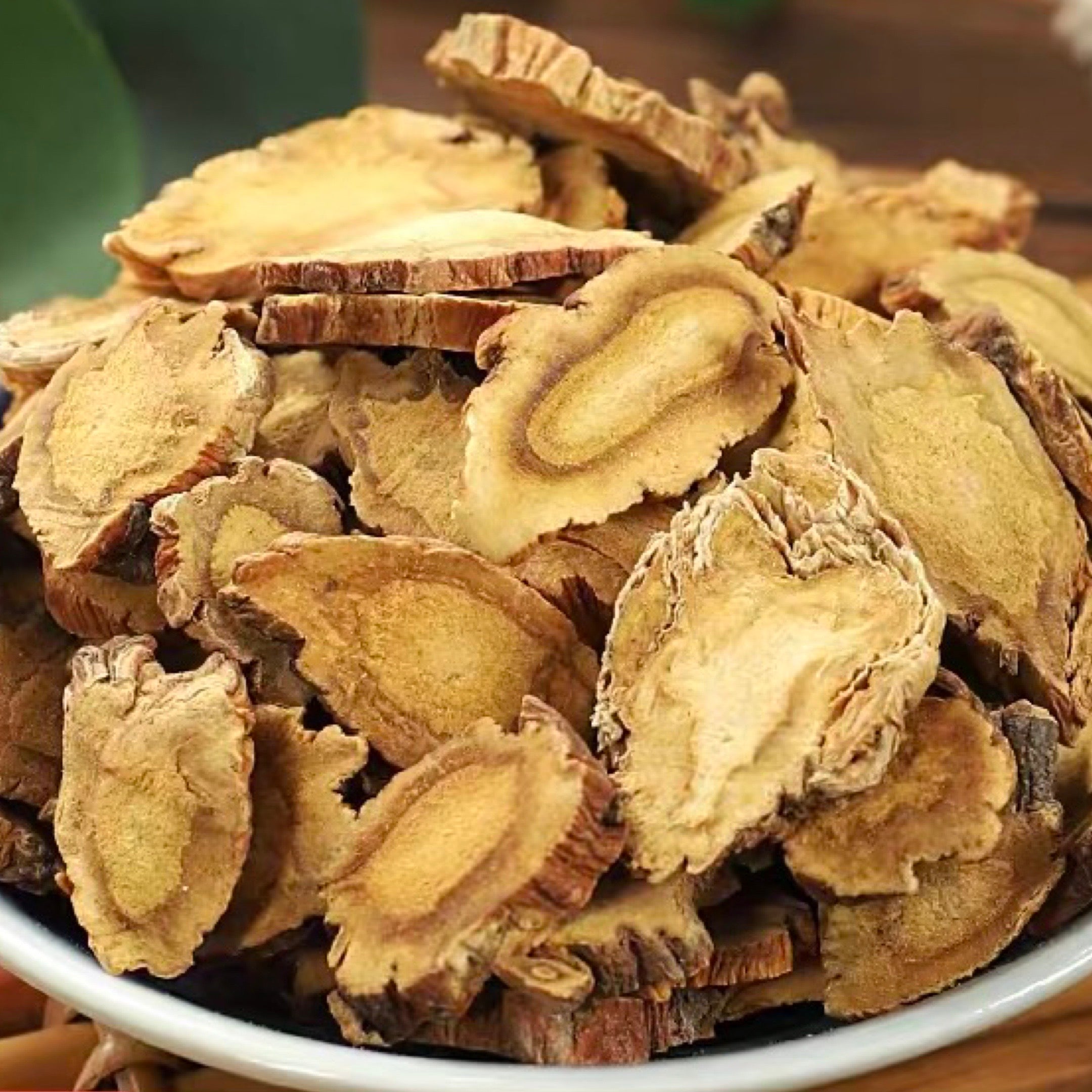
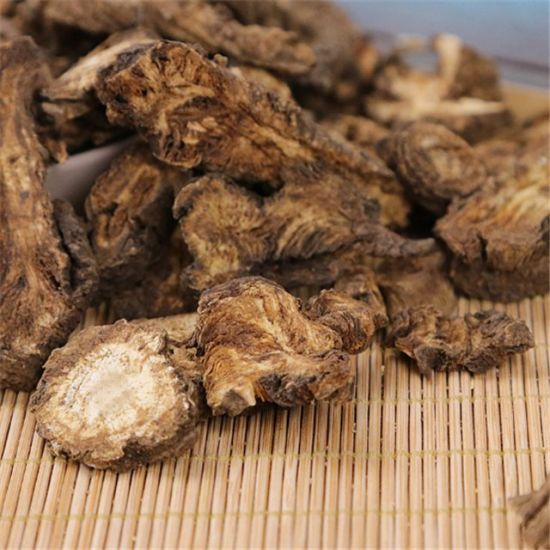


Large Leaf Gentian Root (Qin Jiao) is traditionally used in Chinese herbal medicine to dispel Wind-Dampness, clear Heat, and support comfortable movement. In TCM, it is commonly included in formulas for patterns associated with stiffness, numbness, weakness, and discomfort affecting the muscles and joints.
Large Leaf Gentian Root (Qin Jiao) is traditionally used in Chinese herbal medicine to dispel Wind-Dampness, clear Heat, and support comfortable movement. In TCM, it is commonly included in formulas for patterns associated with stiffness, numbness, weakness, and discomfort affecting the muscles and joints.
Incised Notopterygium Root (Qiang Huo) is traditionally used in Chinese herbal medicine to dispel Wind, Cold, and Dampness and promote the movement of Qi through the channels. It is commonly used in TCM formulas for patterns associated with stiffness, body aches, joint discomfort, and restricted or uncomfortable movement.
Divaricate Saposhnikovia Root (Fang Feng) is traditionally used in Chinese herbal medicine to dispel Wind, relieve spasms, and support comfortable movement. In TCM, it is commonly included in formulas for Wind-related patterns associated with occasional muscle tension, stiffness, trembling, and involuntary movement.
Angelica Root (Dang Gui) is one of the most widely used Blood-nourishing herbs in Traditional Chinese Medicine. It is traditionally used to nourish and invigorate the Blood, support healthy circulation, and promote the smooth movement of Qi and Blood throughout the body. It is commonly included in TCM formulas for patterns associated with Blood deficiency, Blood Stasis, weakness, and discomfort.
 honey is the only binding agent
no artificial fillers or ingredients
herbs harvested at the height of potency
honey is the only binding agent
no artificial fillers or ingredients
herbs harvested at the height of potency
Silkie Herbs® formulas are prepared with pure honey as the traditional binding ingredient. Honey holds the powdered herbs together, moderates their taste, and helps preserve freshness. Our formulas are not made as compressed tablets or conventional capsules, and we do not use artificial colors, flavors, chemical binders, or unnecessary fillers.


We carefully select herbs harvested during their appropriate season, when their traditional qualities are considered most developed. Proper species identification, growing region, harvest timing, processing, and storage all contribute to the quality of a traditional Chinese herbal formula.
Over five generations we have collected, tested and refined Chinese herbal formulas that themselves draw from 3,000 years of experience of Traditional Chinese Medicine. Traditional Chinese Medicine is a profound pathway to create the life you were born to live. It's a timeless bridge that can initiate and support change and growth in any and every life dimension: physical, mental, emotional, and spiritual.
“Good Health is crucial for our overall well-being. It encompasses physical, mental, and emotional aspects, and it's important to prioritize taking care of ourselves to lead a fulfilling life. Emphasizing prevention over cure is paramount for maintaining this balance. Without health, life can become incredibly challenging. It affects our ability to pursue our goals, enjoy our relationships, and experience daily life to the fullest. Good health forms the foundation for everything else we want to achieve and experience.” - Ann Tam
Click below for
If you feel skeptical or unsure about Chinese herbal remedies, I could hardly blame you. I wasn’t a believer either—not until my daughter became very sick and my father, a fourth-generation herbalist, helped guide our family through her recovery with traditional Chinese herbs.
I was born into a family of herbalists. My father, grandfather, great-grandfather, and great-great-grandfather were all herbalists. I represent the fifth generation of this long family lineage, which dates back to Imperial China.
When I was three or four years old, I began learning herbal songs and how to identify different herbs. As I grew older, my father taught me how to process herbs while I worked in his clinic in Vietnam.
After we immigrated to the United States, my dad asked whether I wanted to pursue a career in Traditional Chinese Medicine as an herbalist or acupuncturist. I told him, “No, just leave me alone, Dad. I will find something I enjoy doing for work.” So he left me alone to find my own way.
I wanted nothing to do with herbal medicine until I gave birth to my second daughter, Catherine, who was born with severe gastric reflux. When Catherine was only 10 days old, I had to take her to the emergency room because she couldn’t keep milk down. She received fluids through an IV in her tiny hand. In addition to vomiting, she was also having diarrhea. Catherine was losing nourishment from both ends, and her little body was becoming smaller and weaker.
At the time, my dad warned me, “She needs to be treated with herbal medicine, or she may have seizures later.” I didn’t fully understand what he was telling me, so I ignored his warning.
My daughter became so ill that she could only drink half an ounce of milk each hour. Before feeding her, I used a syringe to give her Zantac to help reduce the vomiting. As time passed, she needed to be fed more frequently and consequently received Zantac more often. By the time Catherine was eight months old, she needed to be fed and medicated as many as 11 times a day.
I could hardly sleep, eat, shower, or rest. Even at night, I had to drape my daughter over my shoulder so she could sleep. If I put Catherine down, she would vomit. I barely had time to take a five-minute shower once or twice a week. I was exhausted, but what could I do? I had to care for my daughter and do my best to survive each day, hoping she would get better—or at the very least, that her condition would not worsen.
Catherine had to wear a turtleneck, two sweaters, a baby cap, and a scarf whenever we went outside, even during the summer when the temperature was over 100 degrees. If I didn’t cover her, she would develop a runny nose and cough, followed by nonstop vomiting. I constantly worried about her future. How would she ever attend school or go anywhere with air conditioning?
One day, we went to a Vietnamese pho restaurant. After placing Catherine in a high chair, I turned around to adjust my own chair. Suddenly, I heard a woman shout, “Look at her!”
I looked in the direction she was pointing. It was Catherine. Her eyes had rolled upward, her entire body was stiff and shaking, and fluid was coming from her mouth. Someone nearby told me to squeeze lemon into her mouth. Frightened and desperate, I followed that advice without hesitation. Her body eventually relaxed, and we rushed her to the emergency room.
At the time, I believed the lemon had helped her. I now understand that nothing should be placed in a person’s mouth during a seizure because it could cause injury or choking. I share this only as part of what happened that day—not as seizure first-aid advice.
Catherine remained in the hospital for three days while her brain activity was monitored. I was told that prolonged seizures could be dangerous. After that experience, I lived in constant fear because I had no idea when my baby girl might have another seizure.
The seizures began occurring weekly, and the doctor prescribed anti-seizure medication. Catherine wasn’t even one year old, yet she was receiving Zantac as many as 11 times a day, in addition to anti-seizure medication three times a day. Administering the medicine was extremely difficult because whenever I took out the syringe, she would cry and begin vomiting.
I took Catherine to see a specialist at CHOC and asked, “Doctor, have you ever seen an infant with this condition get well?”
The doctor replied, “It depends. Some children grow out of it, but some don’t. If they don’t, they may have to continue taking medication.”
“What do you mean by ‘grow out of it’?” I asked.
The doctor explained that Catherine’s condition might improve naturally as she became older.
My mind was racing. I asked, “All this time, the prescribed medication hasn’t been correcting what is happening in her stomach?”
The doctor explained that the medication was intended to help keep the food down, which was why it had to be given before each feeding.
I then asked, “What if she doesn’t grow out of it?”
I was told that she might need ongoing medication. That conversation stayed in my mind and made me question whether there might be another way to support my daughter.
Feeling that I had reached the end of the path I was following, I finally turned to my dad for help.
My father recommended an individualized herbal prescription for Catherine three times a day. After everything we had been through, giving her herbs three times a day instead of administering something as many as 14 times a day felt like a tremendous relief. Even so, it sounded almost too good to be true, and I remained cautious.
During the first month of following my father’s herbal approach, Catherine began vomiting less frequently. At one point, I let her cry briefly to see whether it would still trigger vomiting. It didn’t, and that was when I first believed she might truly be improving.
After another month, Catherine was able to wear fewer layers without immediately developing a runny nose, coughing, or vomiting. Over the course of approximately three months, her reflux and seizure episodes became less frequent and eventually stopped.
This was Catherine’s personal experience under my father’s individualized guidance. It is not a promise that another person will have the same experience, but for our family, it changed everything. Today, Catherine is grown and living a normal, healthy life.
Because of Catherine’s dramatic recovery, I finally began to believe in the traditional medicine that had surrounded me since childhood. I also asked my dad to work with me because I had a long history of fainting easily, especially during the winter. My own experience with his individualized herbal approach deepened my appreciation for the knowledge my family had preserved for generations.
I began thinking seriously about everything that had happened and wanted to understand more about herbs, the human body, and the traditional principles my father had tried to teach me. I wanted answers, so I decided to study in China, where herbal medicine has been practiced and developed over thousands of years.
I attended Traditional Chinese Medicine schools in China and Hong Kong and gained experience in TCM hospitals, where I learned from highly respected herbal doctors.
While I was there, I realized that I wanted to become an herbalist. However, I also wondered how I could secure a dependable supply of high-quality herbs. My father and I traveled across China and visited numerous farming regions. We met with farmers, studied how the herbs were grown and harvested, and began establishing relationships with growers.
Our formulas are made with carefully selected herbs harvested during the appropriate season, when their traditional qualities are considered strongest. These herbs can be substantially more expensive than lower-quality materials harvested too early or too late.
After returning to the United States, I worked closely with my dad, learned from his many years of experience, and studied the formulas and written knowledge passed down through our family.
Everything I went through with Catherine helped me understand the true importance of health. Without health, it becomes difficult to think about a career, beauty, education, independence, freedom, or anything else we hope to enjoy in life.
I have now worked with many individuals and families who have struggled as my family once struggled. Their trust and heartfelt appreciation inspire me to continue learning, preserve my family’s traditional knowledge, and work even harder to help others support their health and well-being.
Our namesake, Silkie, comes from a Chinese breed of chicken known for its calm and friendly temperament. Silkies are gentle, caring, and devoted mothers. A Silkie loves nothing more than brooding over a cluster of eggs, whether the eggs are her own or even belong to a duck.
We share that same outlook at Silkie Herbs®. We care for our clients with the same attention, patience, and dedication that we would give to members of our own family.
This is Ann’s personal family story and is shared for informational purposes only. Individual experiences vary, and this story is not intended as medical advice or as a promise of specific results.