Eye Support Supplement by Silkie Herbs for healthy vision, eye nourishment, and long-term visual wellness, made and packaged in the USA.
Traditional Chinese herbal formula supporting healthy vision, eye function, and daily visual comfort
How Silkie Herbs made our honey herbal pills
Chinese herbal Eye Support Supplement for nourishing the eyes and maintaining healthy vision
Honey-bound herbal pills used in Silkie Herbs Eye Support formula showing pill size, appearance, and traditional preparation

Eye Support (V) - Healthy Vision, Eye Nourishment & Visual Function | Silkie Herbs® 補眼

Regular price$90.00
/
Shipping calculated at checkout.

What Is Eye Support (V) Supplement?

Eye Support (V) Supplement is a traditional Chinese herbal formula designed to support healthy vision, eye function, visual clarity, optic nerve health, eye moisture, and long-term eye wellness.

In Traditional Chinese Medicine (TCM), healthy vision depends on the proper nourishment of Liver Blood, Liver Yin, and Kidney Yin. These systems work together to nourish the eyes, support the optic nerve, maintain healthy tear production, and promote clear, comfortable vision. When Yin and Blood become deficient, the eyes may not receive adequate nourishment, leading to visual fatigue, dryness, blurred vision, floaters, cloudy vision, reduced night vision, or discomfort after prolonged screen use.

Daily exposure to computers, smartphones, tablets, televisions, and other digital devices may place additional strain on the eyes. According to Traditional Chinese Medicine, prolonged visual concentration can gradually consume Liver Blood and Yin, contributing to eye fatigue and reduced visual comfort over time.

Eye Support (V) Supplement is an empirical herbal blend traditionally used to nourish Yin, support healthy eye function, promote visual clarity, maintain optic nerve health, support healthy fluid metabolism, and provide nutritional support for the eyes. This formula is commonly chosen by individuals seeking support for healthy vision, blurred vision, floaters, cloudy vision, dry eyes, watery eyes, night vision, age-related eye wellness, and overall long-term visual health.*

Common Signs of Eye Imbalance in Traditional Chinese Medicine

  • Blurred vision
  • Eye fatigue or tired eyes
  • Floaters
  • Cloudy vision
  • Dry eyes
  • Excessive tearing or watery eyes
  • Night blindness or reduced night vision
  • Difficulty focusing
  • Eye strain from computers, smartphones, or digital screens
  • Reduced visual clarity
  • Aging eyes
  • Occasional eye discomfort
  • Poor visual endurance during reading or screen use
  • Feeling that the eyes are easily fatigued

Why Choose Silkie Herbs Eye Support (V)?

  • Based on classical Chinese herbal principles
  • Carefully selected medicinal herbs
  • Designed to nourish Liver Yin, Kidney Yin, and healthy eye function
  • Traditionally used to support healthy vision and long-term eye wellness
  • Supports visual clarity, optic nerve nourishment, and comfortable eye function
  • Helps maintain healthy eye moisture and fluid balance
  • Crafted to support balance rather than temporarily masking symptoms
  • Traditional honey-bound herbal pills for optimal herbal integrity

Non GMO | Gluten Free | No sugar, corn or dairy  | No artificial colors, flavors, preservatives, chemical binders or wax 

100% Pure all natural herbs, blended, made, and packaged in the USA

*These statements have not been evaluated by the Food and Drug Administration. This product is not intended to diagnose, treat, cure, or prevent any disease.

Benefits of Eye Support Supplement

Support Healthy Vision and Visual Function*

Eye Support is traditionally used to support healthy vision, nourish the eyes, and help maintain normal visual function. According to Traditional Chinese Medicine, healthy eyesight depends on the nourishment of the Liver, Kidney, Blood, and the smooth circulation of Qi to the eyes. This formula is traditionally used to support long-term eye wellness and visual clarity.

Nourish the Eyes and Support Healthy Eye Function*

Healthy vision depends on adequate nourishment reaching the eyes and optic tissues. This traditional herbal formula is used to nourish the eyes, support healthy eye function, and help maintain comfortable vision during everyday activities such as reading, computer work, driving, and prolonged screen use.

Support Healthy Blood Circulation to the Eyes*

According to Traditional Chinese Medicine, proper circulation of Qi and Blood helps nourish the eyes and maintain healthy visual function. This formula is traditionally used to support healthy blood circulation to the eyes, helping deliver nourishment needed for long-term eye wellness.

Support Comfortable Eyes and Reduce Eye Fatigue*

Daily exposure to computers, smartphones, tablets, television screens, and prolonged reading may place additional strain on the eyes. This formula is traditionally used to support eye comfort, reduce occasional eye fatigue, and help maintain visual endurance throughout the day.

Support Healthy Eye Comfort and Internal Balance*

Traditional Chinese herbal medicine recognizes that internal Heat, inflammation, and poor circulation may contribute to eye discomfort and visual disturbances. This formula is traditionally used to support healthy internal balance while promoting comfortable, well-nourished eyes.

Support Healthy Optic Nerve Nourishment*

Healthy vision depends on adequate nourishment reaching the optic nerve and surrounding eye tissues. This formula is traditionally used to support healthy optic nerve nourishment and maintain normal visual function as part of overall eye wellness.

Promote Long-Term Eye Wellness*

Eye health naturally changes with age and daily visual demands. This traditional herbal formula is commonly used as part of a long-term wellness routine to nourish the eyes, support visual function, and maintain healthy eyesight over time.

Support Daily Visual Performance*

Whether working on computers, reading, driving, or performing detailed visual tasks, healthy eye function is essential. This formula is traditionally used to support comfortable vision, visual performance, and healthy eye function during everyday activities.

Individual results may vary. Improvement occurs gradually as internal balance is restored.

*These statements have not been evaluated by the Food and Drug Administration. This product is not intended to diagnose, treat, cure, or prevent any disease.

Common Signs You May Need Eye Support

This formula is traditionally used for patterns associated with reduced eye nourishment, diminished visual function, eye fatigue, and internal imbalances affecting the eyes according to Traditional Chinese herbal principles. Different individuals may experience different symptoms, such as:

Blurred Vision or Reduced Visual Clarity

Individuals may notice that objects appear less sharp, vision becomes blurry during reading or screen use, or visual clarity gradually declines throughout the day. This pattern is traditionally associated with insufficient nourishment reaching the eyes.

Eye Fatigue During Daily Activities

Extended computer use, reading, driving, or prolonged screen time may leave the eyes feeling tired, strained, or uncomfortable. Individuals may notice their eyes fatigue more easily after visually demanding tasks.

Dry Eyes or Excessive Tearing

Some individuals experience persistent dryness, irritation, or a gritty sensation, while others notice excessive tearing despite feeling dry. According to Traditional Chinese Medicine, these patterns may reflect underlying imbalances affecting normal eye nourishment.

Floaters or Visual Disturbances

Individuals may occasionally notice small floating spots, threads, or shadows moving across their field of vision. Traditional Chinese herbal principles associate these patterns with reduced nourishment and circulation affecting the eyes.

Difficulty Seeing at Night

Reduced visual comfort or difficulty adapting to low-light environments may occur, particularly during evening driving or nighttime activities. This pattern is traditionally associated with diminished Liver Blood and Kidney Essence nourishment.

Increasing Eye Strain From Screens

Working long hours on computers, tablets, smartphones, or digital devices may increase eye strain, visual fatigue, dryness, or discomfort throughout the day.

Age-Related Changes in Vision

As individuals age, they may notice gradual changes in visual sharpness, focusing ability, or overall eye comfort. Traditional herbal formulas are commonly used to support healthy vision and maintain long-term eye wellness.

Reduced Eye Comfort

Some individuals experience recurring eye discomfort, sensitivity, irritation, or tired eyes after visually demanding activities. These symptoms may become more noticeable with prolonged concentration or environmental stress.

Reduced Blood Nourishment to the Eyes

According to Traditional Chinese Medicine, healthy eyesight depends on adequate Blood and Qi nourishing the eyes. When nourishment becomes insufficient, vision may gradually become less comfortable or less clear.

Visual Changes Associated With Internal Imbalance

Traditional Chinese Medicine recognizes that changes affecting the Liver, Kidney, Blood, and Qi may be reflected in the eyes. Supporting internal balance is traditionally believed to help maintain healthy vision and comfortable eye function.

Eye Discomfort During Periods of Physical Fatigue

Periods of stress, lack of sleep, overwork, prolonged concentration, or physical exhaustion may place additional demands on the eyes. Individuals may notice increased visual fatigue or reduced eye comfort during these times.

Long-Term Vision Wellness

Many individuals choose Eye Support as part of their long-term eye wellness routine to help nourish the eyes, support healthy visual function, maintain comfortable vision, and promote overall eye health as daily visual demands increase.

Individuals with more complex, chronic, recurring, or long-standing patterns affecting vision or eye comfort may benefit from combining this formula with additional herbal support to address underlying patterns of imbalance and promote long-term eye wellness and healthy visual function.

Diet and Lifestyle Tips for Healthy Vision

According to traditional Chinese herbal principles, healthy vision is supported by proper nourishment of the Liver and Kidneys, healthy Blood circulation, adequate rest, and balanced nutrition. Daily habits that nourish the eyes and support overall wellness may help maintain healthy vision, visual comfort, and long-term eye function.

For best results:

  • Eat regular, balanced meals on a consistent schedule
  • Prioritize warm, freshly prepared foods over excessive cold or raw foods
  • Include a variety of colorful vegetables and antioxidant-rich fruits in your daily diet
  • Get adequate sleep and maintain a consistent sleep routine to allow the eyes to rest and recover
  • Stay physically active with regular exercise, walking, Tai Chi, Qigong, or other forms of movement to support healthy circulation
  • Take regular breaks from computers, smartphones, tablets, and other digital screens using the 20-20-20 rule whenever possible
  • Spend time outdoors while protecting your eyes from excessive sunlight with appropriate eyewear
  • Stay well hydrated throughout the day
  • Manage stress through meditation, deep breathing, relaxation techniques, or other healthy practices
  • Allow adequate time for rest and recovery during periods of prolonged visual concentration

To support healthy vision and eye wellness, it is recommended to limit:

  • Excess sugar and sugary beverages
  • Highly processed foods
  • Excessive fried, greasy, or heavily processed foods
  • Excess alcohol consumption
  • Smoking and tobacco products
  • Excessive late-night screen use
  • Prolonged visual strain without taking breaks

Foods traditionally considered supportive for eye health include dark leafy greens, carrots, sweet potatoes, blueberries, black sesame, goji berries, eggs, fish, walnuts, and other nutrient-rich foods that nourish the Liver, Blood, and overall vitality.

In Traditional Chinese Medicine, the eyes are traditionally associated with the Liver, while the Kidneys provide the body's foundational Essence that helps nourish vision throughout life. Supporting healthy digestion is also considered important because the Spleen transforms food into Qi and Blood, providing the nourishment needed to maintain healthy eyes and visual function.

Consistent nutrition, quality sleep, regular exercise, healthy screen habits, stress management, and proper digestive health are important foundations for supporting healthy vision, eye comfort, visual performance, and long-term eye wellness.

Key Ingredients in Eye Support (V) – Healthy Vision, Eye Nourishment & Visual Function

Eye Support (V) contains a carefully selected combination of traditional Chinese herbs that work together to nourish the Liver and Kidneys, support healthy Blood circulation, promote visual comfort, and maintain long-term eye health.

Ginseng (Ren Shen)

Traditionally used in Chinese herbal practice to support Qi, vitality, mental clarity, and healthy circulation. Ginseng helps provide nourishment throughout the body, supporting overall wellness and maintaining healthy eye function.

Prepared Rehmannia Root (Shu Di Huang)

Traditionally used to nourish Kidney Yin, replenish Blood, and support the body's foundational Essence. Prepared Rehmannia is widely used in traditional formulas designed to help maintain healthy vision and support the eyes as the body ages.

Cassia Seed (Jue Ming Zi)

Traditionally used to support healthy vision, nourish the eyes, and promote visual comfort. Cassia Seed has long been used to help maintain healthy eye function while supporting the Liver according to Traditional Chinese Medicine.

Apricot Seed (Xing Ren)

Traditionally used to promote the healthy circulation of Qi and support overall balance within herbal formulas. It has historically been included to harmonize formulas while supporting normal respiratory and digestive function.

Chrysanthemum (Ju Hua)

Traditionally used to nourish the eyes, support visual comfort, and help maintain healthy eye function. Chrysanthemum is one of the most commonly used herbs in Traditional Chinese Medicine for promoting healthy vision and supporting the Liver.

Pure Honey

Used as the traditional binding agent for Silkie Herbs honey-bound herbal pills. Honey has historically been used to harmonize herbal formulas, support digestion, help preserve freshness, and improve palatability.

Together, these herbs have traditionally been used to nourish the Liver and Kidneys, support healthy Blood circulation, promote eye nourishment, maintain visual comfort, and support healthy vision and overall eye wellness.*

*These statements have not been evaluated by the Food and Drug Administration. This product is not intended to diagnose, treat, cure, or prevent any disease.
Serving Size 10 pills
Serving Per Container 30
Amount Per Serving 3000mg
Herbal Blend:
Ginseng
Prepared Rehmannia Root
Cassia Seed
Apricot Seed
Chrysanthemum
Other ingredients: Pure honey to aid digestion and absorption

How to Take Eye Support (V)

Adults or teenagers may take 3–10 pills once or twice daily with warm water, or as directed by a qualified healthcare practitioner. If taking medications or other supplements, allow at least 2 hours before or after using this product.

Healthy vision and eye nourishment develop gradually and are influenced by age, nutrition, rest, screen time, circulation, and overall wellness. Noticeable benefits may develop over several weeks of consistent use.

For best results, take consistently as directed. Traditional Chinese herbal formulas are often used daily as part of a long-term wellness routine.

A Proven, Research-Backed Eye Support Formula

Modern research on traditional herbs commonly used in eye support formulas, particularly Ginseng (Ren Shen), Chrysanthemum (Ju Hua), and Cassia Seed (Jue Ming Zi), has explored their effects on antioxidant activity, healthy circulation, visual function, and overall eye wellness. Research published in the Journal of Ginseng Research has investigated the biological activities of ginsenosides, the primary active compounds in Ginseng, and their role in supporting healthy ocular tissues, cellular protection, and physiological balance.

Additional research published in Frontiers in Pharmacology has examined the pharmacological properties of Chrysanthemum, including its antioxidant activity, anti-inflammatory effects, and traditional use in supporting healthy vision and protecting the eyes from oxidative stress. Studies published in the Journal of Ethnopharmacology have also investigated Cassia Seed (Jue Ming Zi), exploring its traditional applications, bioactive compounds, and potential role in supporting eye health and visual function.

From a Traditional Chinese Medicine perspective, healthy vision depends on the nourishment of Liver Blood, Kidney Essence, and the proper circulation of Qi and Blood to the eyes. Traditional Chinese herbal formulas are designed to nourish these systems, helping maintain healthy vision, eye nourishment, and long-term visual function.

Research References

Ginseng and Eye Health: Biological Activities of Ginsenosides (Journal of Ginseng Research)
https://www.sciencedirect.com/journal/journal-of-ginseng-research

Recent Advances in the Pharmacological Effects of Chrysanthemum (Frontiers in Pharmacology)
https://www.frontiersin.org/journals/pharmacology

Cassia Seed (Semen Cassiae): Traditional Uses, Phytochemistry and Pharmacology (Journal of Ethnopharmacology)
https://www.sciencedirect.com/journal/journal-of-ethnopharmacology

Frequently Asked Questions

What is Eye Support (V) used for?

Eye Support (V) is traditionally used in Chinese herbal practice to nourish the eyes, support healthy vision, and promote normal visual function. It is commonly used by individuals seeking support for tired eyes, eye strain, blurred vision, dry eyes, reduced visual clarity, age-related eye wellness, and overall long-term eye health.

How does Traditional Chinese Medicine view eye health?

In Traditional Chinese Medicine (TCM), the eyes are closely connected to the Liver, Kidney, and Blood. Healthy vision depends on adequate nourishment of these systems. When Blood, Yin, or Essence become deficient, the eyes may not receive sufficient nourishment, resulting in dryness, fatigue, blurred vision, reduced visual sharpness, or discomfort.

What causes poor eye nourishment in Traditional Chinese Medicine?

According to Traditional Chinese Medicine, poor eye nourishment is often associated with Liver Blood Deficiency, Liver Yin Deficiency, Kidney Yin Deficiency, or age-related depletion of Jing (Essence). These patterns may contribute to tired eyes, dry eyes, blurry vision, reduced night vision, eye fatigue, and gradual changes in visual function.

Who may benefit from Eye Support (V)?

Individuals experiencing digital eye strain, tired eyes, blurred vision, dry eyes, aging eyes, reduced visual clarity, eye fatigue from prolonged screen use, reading, driving, or general visual stress may choose Eye Support (V) as part of their daily eye wellness routine.

Can Eye Support (V) help support healthy vision as I age?

Many individuals choose Eye Support (V) to help support healthy vision and normal visual function as part of healthy aging. Traditional Chinese Medicine places great importance on nourishing the Liver, Kidney, and Blood to help maintain long-term eye health and visual clarity.

Can Eye Support (V) be used for digital eye strain?

Yes. Eye Support (V) is commonly selected by individuals who spend long hours using computers, smartphones, tablets, or other digital devices. It is traditionally used to support eye comfort, reduce visual fatigue, and nourish the eyes after prolonged screen exposure.

Why is Liver Blood important for healthy vision?

Traditional Chinese Medicine teaches that the Liver opens into the eyes and stores Blood. Healthy Liver Blood helps nourish the eyes and supports clear vision, comfortable eye movement, and overall visual function. When Liver Blood becomes deficient, the eyes may become dry, tired, or blurry.

Can aging affect eye nourishment?

Yes. According to Traditional Chinese Medicine, aging naturally reduces Kidney Essence (Jing) and Yin, both of which help nourish the eyes. As nourishment gradually declines, individuals may experience changes in visual clarity, dry eyes, eye fatigue, or reduced ability to focus.

What symptoms are commonly associated with Liver Blood or Kidney Yin Deficiency?

Traditional Chinese Medicine commonly associates these patterns with tired eyes, dry eyes, blurred vision, floaters, sensitivity to light, eye discomfort, reduced night vision, dizziness, and gradual changes in visual function.

How long should I take Eye Support (V)?

Every individual is different. Eye wellness depends on factors such as age, lifestyle, screen exposure, nutritional status, and overall health. Some individuals choose Eye Support (V) during periods of increased visual strain, while others incorporate it into their long-term eye wellness routine. Long-term use is best discussed with a qualified practitioner.

Can I take Eye Support (V) with other Silkie Herbs formulas?

Many Silkie Herbs formulas are designed to complement one another. Eye Support (V) is often combined with formulas such as Eye Support (G), Liver Support, Kidney Support Yin, Blood and Stamina, Immune Booster, Spleen Support, and other formulas depending on individual wellness goals and traditional pattern differentiation.

When is the best time to take Eye Support (V)?

Eye Support (V) may be taken according to the directions on the label or your practitioner's recommendation. Many individuals choose to take it consistently each day to support healthy vision, nourish the eyes, and maintain long-term visual wellness.

What herbs are included in Eye Support (V)?

Eye Support (V) contains a carefully selected blend of Ginseng (Ren Shen), Prepared Rehmannia Root (Shu Di Huang), Cassia Seed (Jue Ming Zi), Apricot Seed (Xing Ren), and Chrysanthemum (Ju Hua), along with pure honey as the binding agent. These herbs have traditionally been used in Chinese herbal practice to nourish the Liver and Kidney, support healthy Blood circulation to the eyes, promote visual comfort, and maintain healthy vision.

Can Eye Support (V) be used year-round?

Many individuals choose to use Eye Support (V) throughout the year as part of their long-term eye wellness routine, particularly those who experience frequent eye strain, prolonged screen exposure, or age-related visual changes.

What makes Silkie Herbs Eye Support (V) different?

Silkie Herbs formulas are rooted in five generations of traditional herbal practice. Each formula is based on classical Traditional Chinese Medicine principles and uses carefully selected medicinal herbs prepared as traditional honey-bound herbal pills. We do not use capsules, compressed tablets, artificial fillers, synthetic binders, or unnecessary additives. Every batch is manufactured in the United States and undergoes rigorous quality testing to support consistency, purity, and authenticity.

Why does Traditional Chinese Medicine focus on the Liver and Kidney for eye health?

Traditional Chinese Medicine teaches that the Liver nourishes the eyes through Blood, while the Kidney stores Essence (Jing), which supports long-term vision and healthy aging. Together, these systems provide the nourishment needed to maintain healthy visual function throughout life.

Can prolonged screen time affect eye health?

Many individuals experience eye fatigue after prolonged computer, smartphone, or tablet use. While modern lifestyles place greater visual demands on the eyes, Traditional Chinese Medicine emphasizes nourishing the eyes, taking regular visual breaks, maintaining healthy circulation, and supporting Liver and Kidney function for long-term eye wellness.

Can Eye Support (V) be taken daily?

Many individuals choose to take Eye Support (V) daily as part of their long-term wellness routine. Consistent use is often preferred when supporting healthy vision, eye nourishment, visual comfort, and overall eye health according to Traditional Chinese Medicine principles.

What foods help support healthy vision?

Many practitioners recommend a balanced diet that includes leafy green vegetables, colorful fruits, whole grains, quality protein, healthy fats, adequate hydration, and antioxidant-rich foods. Traditional Chinese Medicine also encourages nourishing foods that support Liver Blood and Kidney Yin to promote long-term eye health.

Why are Silkie Herbs formulas made as honey-bound pills?

Silkie Herbs uses traditional honey-bound herbal pills rather than capsules or compressed tablets. Pure honey acts as a natural binding agent and has traditionally been used in Chinese herbal medicine to harmonize formulas and support digestion. This method allows us to avoid many of the synthetic fillers, binders, lubricants, and flow agents commonly found in modern supplements.

Are Silkie Herbs formulas third-party tested?

Yes. Silkie Herbs performs testing throughout the production process, from raw herb verification to finished product testing. This includes screening for identity, purity, heavy metals, pesticides, and microbial contaminants to help ensure quality and consistency.

Where are Silkie Herbs products made?

Silkie Herbs formulas are manufactured and packaged in the United States. Each formula is produced under strict quality standards while following traditional Chinese herbal principles and preparation methods.

What makes traditional Chinese herbal formulas different from single-herb supplements?

Traditional Chinese herbal formulas are carefully balanced combinations of herbs designed to work together according to classical TCM principles. Rather than relying on a single ingredient, each herb serves a specific role within the formula to promote balance, harmony, and overall wellness.

Why does Silkie Herbs use traditional herbal preparation methods?

Many herbs are traditionally processed using methods known as Pao Zhi (炮製), which may include roasting, steaming, honey-frying, wine-frying, fermenting, or aging. These preparation methods have been used for centuries in Traditional Chinese Medicine to refine the properties of herbs and support their traditional functions.

Why Silkie Herbs

Silkie formulas are rooted in five generations of traditional herbal practice, not trend-based supplement marketing.

  • 5th Generation Herbalist Family Tradition
  • Traditional Chinese Herbal Formulas
  • Honey-Bound Herbal Pills
  • No Capsules
  • No Tablets
  • No Artificial Binders or Fillers
  • Made in the USA
  • Third-Party Tested
  • Authentic Medicinal-Grade Herbs
  • Traditional Herb Preparation Methods (Pao Zhi)
  • Classical Formula Design
  • Five Generations of Herbal Knowledge

Silkie Herbs formulas are rooted in five generations of Traditional Chinese Medicine herbal practice. Rather than following supplement trends, our formulas are based on traditional herbal principles passed down through generations and refined through clinical experience.

Unlike most supplements, Silkie Herbs uses traditional honey-bound herbal pills instead of capsules or compressed tablets. We do not use artificial binders, fillers, lubricants, or flow agents. Pure honey is used as a natural binding agent to help preserve the formula while supporting digestion and absorption.

Every formula is manufactured in the United States using authentic medicinal-grade herbs and traditional preparation methods. Each batch undergoes third-party testing for identity, purity, heavy metals, pesticides, and microbial contaminants to help ensure quality and consistency.

True healing takes time. Silkie formulas honor the body’s natural ability to restore balance — the way herbal medicine has always been practiced.

Learn How Silkie Formulas Are Made

Important Safety Information and Cautions

Keep out of reach of children. Use only as directed. If any signs of discomfort or irritation occur, discontinue use and consult your physician. 

Please note that a TCM formula is prescribed based on a diagnosed pattern and multiple formulas are usually prescribed to treat the whole person. Please consult a professional TCM practitioner, they will be best able to guide you.

Consult your healthcare provider before use if you are pregnant, nursing, taking medications, or have a medical condition.
Ingredients

Ingredients

image_description

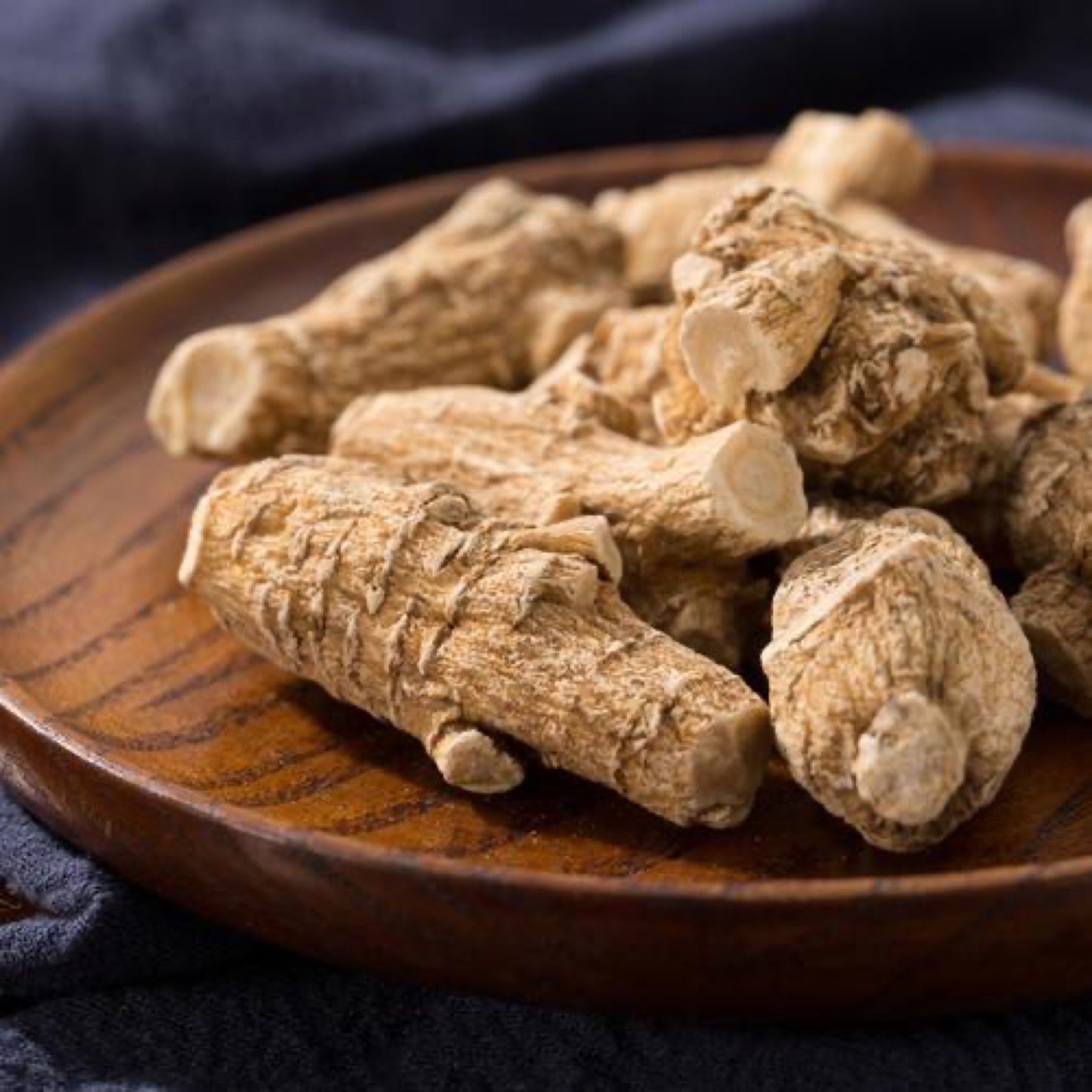
Ginseng

Ginseng (Ren Shen) is renowned for its ability to invigorate Qi (vital energy) and tonify the overall vitality of the body. By enhancing energy levels and supporting immune function, Ginseng indirectly contributes to better eye health. It helps to alleviate fatigue and improve blood circulation, which can reduce eye strain and improve focus.

image_description

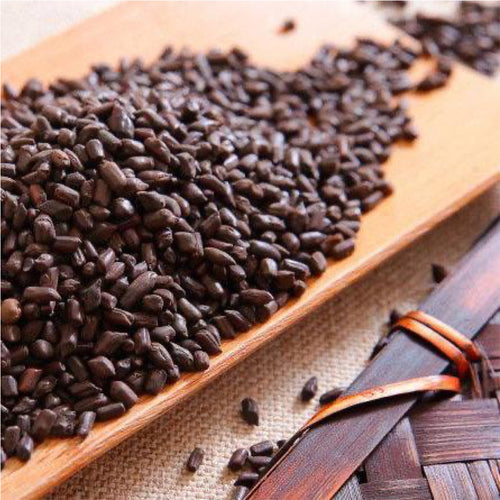
Cassia seed

Cassia Seed (Jue Ming Zi) is known for its ability to clear liver heat and improve vision. It helps to alleviate symptoms such as red eyes, eye pain, and excessive tearing caused by liver heat and wind. Cassia Seed also aids in treating conditions like glaucoma and cataracts by promoting the smooth flow of liver Qi and dispelling heat.

image_description

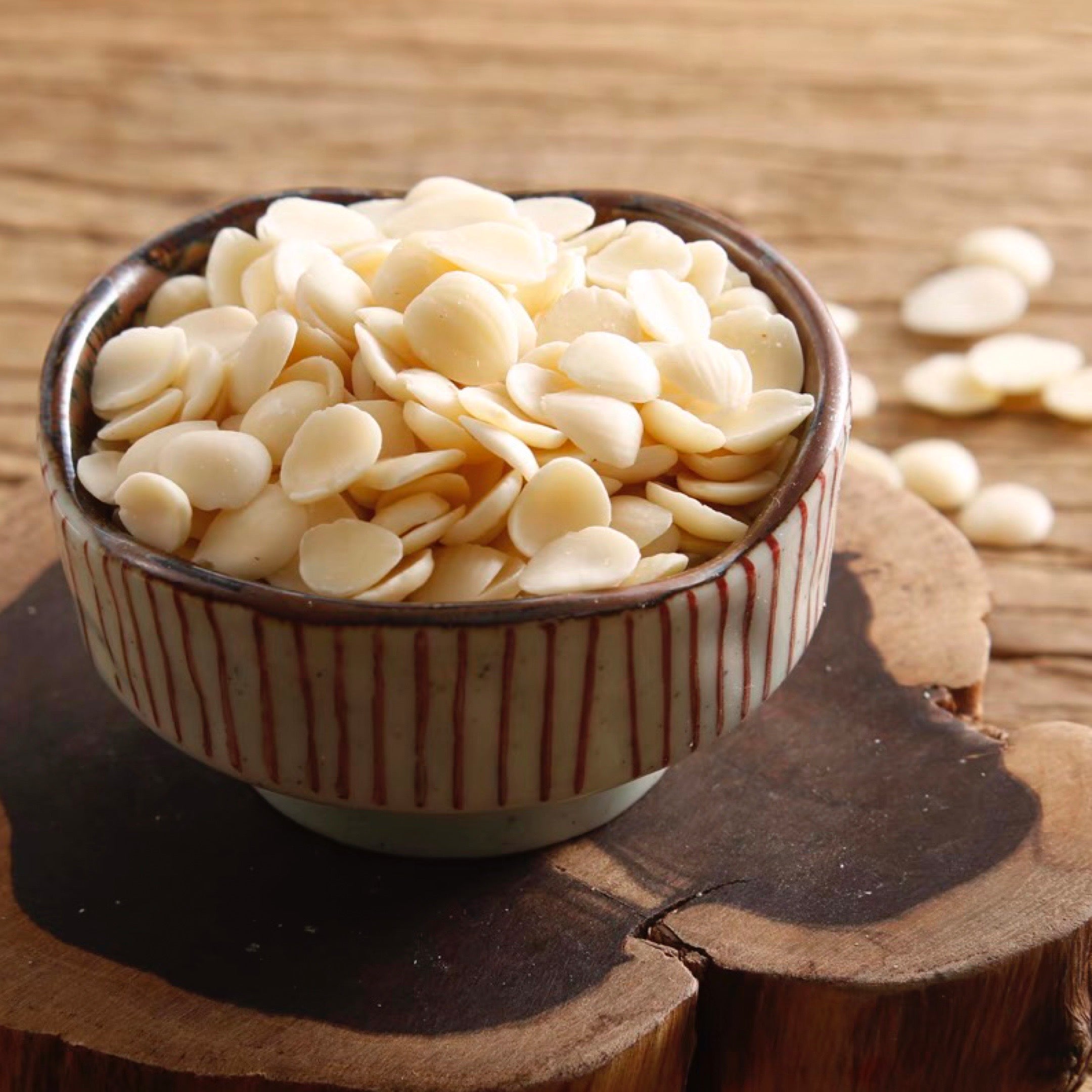
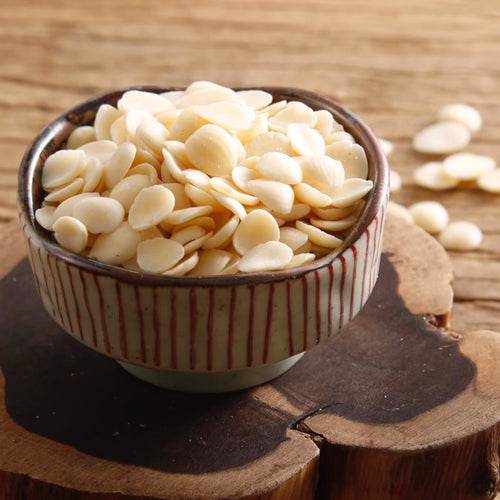
Apricot seed

Apricot Seed (Xing Zi) moistens the lungs and intestines while supporting respiratory health. Its moistening properties are beneficial for eye care, as they help to prevent dryness and irritation. Apricot Seed can also help to clear phlegm and improve the clarity of vision, making it useful for treating dry and itchy eyes.

image_description

Chrysanthemum

Chrysanthemum (Ju Hua) is widely used in TCM to clear heat and improve vision. It has anti-inflammatory properties that help to soothe irritated eyes and reduce redness. Chrysanthemum also supports liver function and can be used to treat conditions such as conjunctivitis, eye strain, and age-related vision issues. It is often consumed as a tea to provide a gentle yet effective means of maintaining eye health.

honey is the only binding agent
no artificial fillers or ingredients
herbs harvested at the height of potency

100% Natural

Our herbal supplements are made with natural honey as the binder. Honey can support the lungs, intestine, spleen, and stomach; It works as a natural preservative with antibacterial and healing properties. Unlike other herbal supplement companies that use starch, magnesium, and other chemical substances as binders for their supplements, we only use 100% honey. We also avoid using vegetable capsules because they require chemical components to form the capsule shape.

Peak Harvest Herbs

The herbs in our herbal pill blends are harvested at the height of their potency and they are substantially more expensive than less potent herbs that were harvested in the pre-or post-season, but in our view, there is no substitute for premium quality.

5 Generations

Over five generations we have collected, tested and refined Chinese herbal formulas that themselves draw from 3000 years of experience of Traditional Chinese Medicine.  Traditional Chinese Medicine is a profound pathway to create the life you were born to live. It's a timeless bridge that can initiate and support change and growth in any and every life dimension: physical, mental, emotional, and spiritual. 

TCM history

Message From Ann

“Good Health is crucial for our overall well-being. It encompasses physical, mental, and emotional aspects, and it's important to prioritize taking care of ourselves to lead a fulfilling life. Emphasizing prevention over cure is paramount for maintaining this balance. Without health, life can become incredibly challenging. It affects our ability to pursue our goals, enjoy our relationships, and experience daily life to the fullest. Good health forms the foundation for everything else we want to achieve and experience.” - Ann Tam

Click below for

Ann's Story

Here's my story.

If you feel skeptical or unsure of Chinese herbal remedies, I could hardly blame you. I wasn't a believer either until my daughter grew very sick and my father (the 4th generation herbalist) helped her get better with herbs.

I was born into a family of herbalists. My father, my grandfather, my great-grandfather, great-great grandfather were all herbalists. I represent the 5th generation in this long lineage dating back to Imperial China.

When I was three or four years old, I started to learn herbal songs and how to identify herbs. As I got older, I was taught how to process the herbs while working in my dad’s clinic in Vietnam. After we immigrated to the United States, my dad asked me if I wanted to pursue a career in TCM as an herbalist or acupuncturist. I said, “No, just leave me alone, Dad. I will find something I enjoy doing for work.” So, he left me alone to find my own way.

I wanted nothing to do with herbal medicine until I gave birth to my second daughter, Catherine, who was born with severe gastric reflux. When Catherine was 10 days old, I had to take her to the ER for IV injections into her little hand because she couldn’t keep milk down. Besides vomiting, she also was having diarrhea. Catherine was losing nutrition from both ends, so her tiny body was shrinking. At that time my dad warned me, “She needs to be treated with herbal medicine, otherwise she will have seizures later on.” I didn’t fully understand what my dad was talking about, so I ignored him.

My daughter got so ill that she could only take half an ounce of milk per hour. Before feeding her, I would use a syringe and shoot Zantac into her mouth to lessen the vomiting. As time passed, she needed milk more often, and consequently more Zantac. By the time Catherine was 8 months old, she needed to be fed and medicated 11 times a day.

I could hardly sleep, eat, shower or rest. Even at night, I had to drape my daughter over my shoulder for her to sleep. If I put Catherine down, she would vomit. I barely had time to squeeze in a 5-minute shower once or twice a week for myself. I was exhausted, but what could I do? I had to care for my daughter and do my best to survive each day with the hope that she would get better or at the very least her condition would not worsen.

Catherine had to wear a turtleneck with two sweaters along with a baby cap and scarf to be outside during the heat of summer, even when temperatures were 100 plus degrees. If I didn’t cover her up, she would have a runny nose, cough, and non stop vomiting. How will she be able to go to school or anywhere with air conditioning?

One day we went to a Vietnamese pho restaurant. After I set Catherine down into the high-chair, I turned around and adjusted my chair. Then I heard a woman’s shout, “Look at her!” I looked in the direction she pointed. It was Catherine…her eyes rolled up and her entire body stiff and shaking with fluid coming out of her mouth. Someone said, “Squeeze some lemon into her mouth.” I did it without hesitating and Catherine’s body relaxed.

We rushed her to the ER. For 3 days she was in the NICU where they monitored her brain. The doctors told me I was lucky because my daughter’s seizure didn’t last for more than 3 minutes which would have damaged her brain. After that I always carried a piece of lemon because I had no idea when my baby girl might have another seizure.

The seizures started to come weekly, so the doctor prescribed anti-seizure medication. Catherine wasn’t even 1 year of age, and already she was taking Zantac 11 times plus anti-seizure medicine 3 times a day. It was nearly impossible to administer the anti-seizure medicine because whenever I took out the syringe, she would cry and start vomiting.

I took Catherine to see a specialist at CHOC. I asked, “Doctor, have you ever seen any infant with this condition get well?” The doctor replied, “It depends. Some will grow out of it, but some don’t. If they don’t, then they will have to take medication for the rest of their life.”

“What do you mean by grow out of it?” The doctor explained that Catherine might get better by herself as she got older.

My mind was racing. “All this time the prescribed medication has not been treating her stomach?” The doctor said, “No, it only helps to guide the food down, so she won’t vomit it back up. That’s why you have to give it to her before the feeding.”

“Well, what if she doesn’t grow out of it?” In that case, Catherine will be dependent upon medication for the rest of her life. The doctor further informed me that she too was born with gastro reflux and is still taking medicine for the condition.

Her statement was like lightning in my brain. If the doctor can’t even treat herself for gastro reflux, how can she help my daughter? Seeing the futility of my path, I turned to my dad for help.

My dad advised me to stop all western drugs and to give her an herbal prescription 3 times a day. Administering medicine 3 times instead of 14 times a day to Catherine was a godsend to me. Even though it sounded too good to be true, I figured that I could still give Zantac to Catherine if she didn’t get better or continued to vomit.

After one month of herbs 3 times a day, Catherine vomited less and less. To test Catherine, I let her cry to see if she would vomit. She didn’t, so I knew she was getting better. After another month of herbal medicine, Catherine was able to wear less clothing without getting a runny nose, coughing, or vomiting. After 3 months of herbal formulas, she stopped having episodes of gastro reflux and seizure. Catherine will enjoy a normal, healthy life.

Because of Catherine’s dramatic recovery, I was sold on Chinese medicine and asked my dad to treat me. I fainted very easily, especially during the winter. After a few months of herbal formulas, I have never fainted again.

I started to have time to think and tried to understand why a piece of lemon helps to relax the muscles and stop a seizure. Lemon is a common citrus, yet it has magical powers that we don’t understand and underestimate. I wanted to learn more and find answers, so I decided to go to China which has a long history of herbal medicine. I went to TCM schools in China and Hong Kong and worked in the TCM hospitals to learn from the best herbal doctors in the world.

When I was there, I knew one day I would want to become an herbalist, but how can I get a steady supply of high-quality herbs. My dad and I backpacked across China and visited many farmlands. We interviewed farmers to grow herbs for us. Our products are used with the highest quality herbs that have been harvested at the height of their potency. They are substantially more expensive than less potent herbs that were harvested in the pre- or post-season.

After I came back to the United State, I worked with my dad and learned from his experiences and studied the formulas that our ancestors passed down. What I have been through helped me to understand the importance of health. Without health, don’t even talk about career, beauty, education, freedom, etc. I now have worked with many families who have suffered as I have. Their endearing appreciation drives me to work harder.

Our namesake "Silkie" is a Chinese breed of chicken that is well known for its calm and friendly temperament. They are gentle and caring and make wonderful mothers. A Silkie loves nothing more than brooding a cluster of eggs, whether they are hers or not, even if they are "duck eggs". We share the same outlook and care for our clients the same way we care for our own family.

Read more

Understanding Eye Conditions and Diseases: A Comprehensive Guide


Eyes are complex organs responsible for one of our most vital senses: vision. Eye health is critical to overall well-being, yet various conditions and diseases can impair vision and even lead to blindness. 

Common Eye Conditions and Diseases


Refractive Errors

  • Myopia (Nearsightedness): Difficulty seeing distant objects clearly.
  • Hyperopia (Farsightedness): Difficulty seeing close objects clearly.
  • Astigmatism: Blurred vision at any distance due to an irregularly shaped cornea.
  • Presbyopia: Age-related difficulty in seeing close objects.

Cataracts

The lens of the eye becomes progressively cloudy, leading to a decrease in vision. This condition typically develops slowly and can affect one or both eyes.

Common Eye Conditions and Diseases


Glaucoma

Optic nerve damaged, often due to abnormally high pressure in the eye (intraocular pressure). It is one of the leading causes of blindness for people over the age of 60.

Age-Related Macular Degeneration (AMD)

  • Dry Age-Related Macular Degeneration (AMD): Gradual breakdown of light-sensitive cells in the macula.
  • Wet Age-Related Macular Degeneration (AMD): Abnormal blood vessels grow under the retina and leak fluid or blood.

Common Eye Conditions and Diseases


Diabetic Retinopathy

A diabetes-related eye condition that damages the blood vessels in the retina, the light-sensitive tissue at the back of the eye. This condition can lead to vision loss if not properly managed.

Dry Eye Syndrome

Eyes do not produce enough tears, or the tears evaporate too quickly, leading to dryness and discomfort.

Common Eye Conditions and Diseases


Conjunctivitis (Pink Eye)

  • Viral Conjunctivitis: Caused by viruses.
  • Bacterial Conjunctivitis: Caused by bacteria.
  • Allergic Conjunctivitis: Caused by allergens.

Retinal Detachment

Retina separates from the back of the eye, depriving it of essential blood supply and leading to potential vision loss if not treated promptly.

Common Eye Conditions and Diseases


Keratoconus

Progressive eye disease where the cornea thins and bulges into a cone-like shape, distorting vision.

Amblyopia (Lazy Eye)

Vision development disorder where an eye fails to achieve normal visual acuity, usually due to poor vision in early childhood.

Western Medicine Perspective on Eye Conditions and Diseases


Western medicine approaches the treatment and management of eye conditions and diseases through a combination of clinical diagnosis, pharmaceutical treatments, surgical interventions, and technological advancements.

Refractive Errors


Symptoms:

  • Blurred vision
  • Headaches
  • Eye strain

Causes:

  • Genetic factors
  • Changes in the shape of the cornea or lens

Treatment:

  • Eyeglasses
  • Contact lenses
  • Refractive surgery (e.g., LASIK)

Cataracts


Symptoms:

  • Cloudy or blurry vision
  • Difficulty with night vision
  • Fading colors
  • Increased sensitivity to glare

Causes:

  • Aging
  • Diabetes
  • Prolonged exposure to UV light
  • Smoking

Treatment:

  • Surgery to remove the cloudy lens and replace it with an artificial one

Glaucoma


Symptoms:

  • Gradual loss of peripheral vision
  • Tunnel vision (in advanced stages)
  • Severe eye pain (in acute cases)

Causes:

  • Increased intraocular pressure
  • Family history

Treatment:

  • Prescription eye drops
  • Oral medications
  • Laser treatment or surgery

Age-Related Macular Degeneration (AMD)


Symptoms:

  • Blurred or reduced central vision
  • Difficulty recognizing faces
  • Straight lines appearing wavy

Causes:

  • Aging
  • Genetics
  • Smoking
  • High blood pressure

Treatment:

  • Anti-VEGF injections for wet AMD
  • Vitamins and minerals for dry AMD
  • Laser therapy

Diabetic Retinopathy


Symptoms:

  • Spots or floaters in vision
  • Blurred vision
  • Vision loss

Causes:

  • Damage to blood vessels in the retina due to high blood sugar levels

Treatment:

  • Controlling blood sugar levels
  • Laser surgery
  • Vitrectomy

Dry Eye Syndrome


Symptoms:

  • Stinging or burning sensation
  • Redness
  • Sensitivity to light
  • Blurred vision

Causes:

  • Aging
  • Medications
  • Medical conditions (e.g., Sjögren’s syndrome)
  • Environmental factors

Treatment:

  • Artificial tears
  • Prescription medications
  • Punctal plugs
  • Preventive Measures for Eye Health

Conjunctivitis (Pink Eye)


Symptoms:

  • Redness
  • Itchiness
  • Discharge
  • Tearing

Causes:

  • Viral or bacterial infections
  • Allergies
  • Irritants

Treatment:

  • Antiviral or antibiotic eye drops for infections
  • Antihistamines for allergies
  • Proper hygiene to prevent spread

Retinal Detachment


Symptoms:

  • Sudden appearance of floaters
  • Flashes of light
  • Shadow or curtain over part of the visual field

Causes:

  • Aging
  • Severe myopia
  • Trauma
  • Family history

Treatment:

  • Laser surgery
  • Cryotherapy
  • Pneumatic retinopexy
  • Scleral buckle surgery

Keratoconus


Symptoms:

  • Blurred or distorted vision
  • Increased sensitivity to light
  • Frequent prescription changes in glasses

Causes:

  • Genetic predisposition
  • Underlying conditions (e.g., Down syndrome)
  • Chronic eye rubbing

Treatment:

  • Eyeglasses or contact lenses
  • Corneal cross-linking
  • Corneal transplant in severe cases

Amblyopia (Lazy Eye)


Symptoms:

  • Poor vision in one eye
  • Eyes not working together
  • Squinting or shutting one eye

Causes:

  • Strabismus (misaligned eyes)
  • Significant difference in prescription between eyes
  • Deprivation (e.g., cataract)

Treatment:

  • Corrective eyewear
  • Patching the stronger eye
  • Vision therapy

Diagnostic Tools and Techniques


Comprehensive Eye Exams:

  • Visual Acuity Tests: To measure how well each eye sees.
  • Refraction Tests: To determine the exact prescription for glasses or contact lenses.
  • Slit-Lamp Examination: To examine the structures of the eye under high magnification.
  • Tonometry: To measure intraocular pressure, critical for glaucoma diagnosis.
  • Dilated Eye Exams: To allow a better view of the retina and optic nerve.

Diagnostic Tools and Techniques


Advanced Imaging:

  • Optical Coherence Tomography (OCT): Detailed imaging of the retina and optic nerve.
  • Fundus Photography: High-resolution images of the retina.
  • Fluorescein Angiography: Imaging to examine blood flow in the retina.

Treatment Approaches


Pharmaceutical Treatments:

  • Eye Drops: Commonly used for conditions like glaucoma (to lower intraocular pressure), dry eye syndrome (to lubricate the eyes), and infections (antibiotic or antiviral drops).
  • Oral Medications: Used in more severe cases or when eye drops are insufficient, such as oral carbonic anhydrase inhibitors for glaucoma.
  • Injections: Anti-VEGF injections for age-related macular degeneration (AMD) and diabetic retinopathy to reduce abnormal blood vessel growth and leakage.

Treatment Approaches


Surgical Interventions:

  • Cataract Surgery: The most common and effective treatment for cataracts, involving the removal of the cloudy lens and its replacement with an artificial intraocular lens (IOL).
  • Glaucoma Surgery:
  • Trabeculectomy: Creating a drainage flap to reduce eye pressure.
  • Minimally Invasive Glaucoma Surgery (MIGS): Less invasive procedures to improve fluid drainage.

Treatment Approaches


Surgical Interventions:

  • Retinal Surgery:
  • Laser Photocoagulation: To seal retinal tears or treat abnormal blood vessels.
  • Vitrectomy: Removal of the vitreous gel to repair retinal detachment or remove blood and scar tissue.
  • Corneal Transplant: Replacement of a damaged cornea with a donor cornea in conditions like keratoconus.

Treatment Approaches


Refractive Surgery:

  • LASIK and PRK: Procedures to reshape the cornea and correct refractive errors such as myopia, hyperopia, and astigmatism.

Technological Aids:

  • Use of digital devices that reduce eye strain, such as screens with blue light filters and the 20-20-20 rule: every 20 minutes, look at something 20 feet away for at least 20 seconds.

Preventive and Lifestyle Recommendations


Regular Eye Exams:

  • Essential for early detection and management of eye conditions, especially for individuals with risk factors like diabetes, hypertension, or a family history of eye diseases.

Protective Measures:

  • Wearing UV-protective sunglasses to prevent cataracts and other UV-related eye damage.
  • Using protective eyewear in hazardous environments to prevent injuries.

Preventive and Lifestyle Recommendations


Healthy Lifestyle:

  • Maintaining a balanced diet rich in vitamins A, C, E, and omega-3 fatty acids to support eye health.
  • Managing systemic conditions like diabetes and hypertension to prevent related eye diseases.
  • Avoiding smoking, which is linked to various eye conditions, including AMD and cataracts.

Traditional Chinese Medicine (TCM) Perspective on Eye Conditions and Diseases


Traditional Chinese Medicine (TCM) offers a holistic approach to understanding and treating eye conditions and diseases. According to TCM, the health of the eyes is closely related to the overall balance of the body's vital energy (Qi), blood, and organ systems. Here’s an overview of how TCM views common eye conditions and their treatments.

Fundamental Concepts in TCM


Qi (Vital Energy): The vital life force that flows through the body's meridians (energy pathways).

  • Definition: Qi (pronounced "chee") is considered the vital life force or energy that flows through the body. It is essential for maintaining life and health.
  • Role in the Body: Qi circulates through a network of pathways called meridians, which connect the body’s organs and tissues. It is responsible for various bodily functions, including movement, warmth, protection against illness, and transformation of food into energy. Adequate and balanced Qi flow is crucial for health, while blockages, deficiencies, or imbalances in Qi can lead to disease.
  • In Relation to the Eyes: The eyes are nourished and energized by Qi. Proper Qi flow ensures clear vision and eye health. Disruptions in the flow of Qi can result in eye conditions such as dryness, blurred vision, and pain.

Fundamental Concepts in TCM


Blood: Nourishes the organs and tissues, including the eyes.

  • Definition: In TCM, Blood (Xue) is a vital substance that nourishes and moistens the organs and tissues, including the eyes.
  • Role in the Body: Blood provides essential nutrients and moisture, supporting the physical body and mental functions. It circulates through the vessels and is governed by the Heart, but it is also closely linked to the Liver and Spleen. Adequate Blood supply ensures proper function and health of the organs.
  • In Relation to the Eyes: The eyes rely on a rich supply of Blood for nourishment and clarity of vision. Blood deficiency can lead to symptoms such as dry eyes, blurred vision, and floaters.

Fundamental Concepts in TCM


Yin and Yang: Represents the balance of opposites in the body. Imbalances can lead to health issues.

  • Definition: Yin and Yang are fundamental concepts representing the dual nature of all things in the universe. Yin is associated with qualities such as cold, rest, darkness, and substance, while Yang is linked to heat, activity, light, and energy.
  • Role in the Body: Health is seen as a dynamic balance between Yin and Yang. Imbalance can manifest as either excess or deficiency of Yin or Yang, leading to health issues. Yin provides the substance and cooling aspect of the body, while Yang provides warmth and energy.
  • In Relation to the Eyes: Eye health depends on the balance of Yin and Yang. Yin deficiency might cause dry eyes and sensitivity to light, while Yang excess might lead to redness and swelling.

Fundamental Concepts in TCM


Five Elements: Wood, Fire, Earth, Metal, and Water. Each element is associated with specific organs and functions.

  • Definition: The Five Elements (Wu Xing) are Wood, Fire, Earth, Metal, and Water. They represent different qualities and processes in nature and the body.
  • Associations: Wood: Linked to the Liver and Gallbladder, controls growth and movement; Fire: Linked to the Heart and Small Intestine, governs heat and activity; Earth: Linked to the Spleen and Stomach, involved in nourishment and transformation; Metal: Linked to the Lungs and Large Intestine, controls respiratory and immune functions; Water: Linked to the Kidneys and Bladder, governs fluids and reproduction.
  • In Relation to the Eyes: The Liver (Wood element) is particularly important for eye health. It stores Blood and ensures smooth flow of Qi. The Kidneys (Water element) support the eyes by providing essential nourishment and maintaining the overall health of bodily fluids.

Fundamental Concepts in TCM


Organs and Meridians: Key organs linked to eye health include the Liver, Kidneys, Lungs, and Heart.

  • Definition: In TCM, the body's internal organs are interconnected through a network of meridians or channels. Each organ is associated with specific functions and emotions, and the meridians allow the flow of Qi and Blood throughout the body.
  • Key Organs Linked to Eye Health: Liver: The primary organ associated with the eyes. It stores Blood and regulates the flow of Qi. Healthy Liver function is crucial for clear vision and overall eye health; Kidneys: Provide the foundational energy (Essence) and nourishment for the eyes. Kidney deficiencies can lead to chronic eye issues; Heart: Governs Blood circulation, which is essential for nourishing the eyes. It also influences mental clarity and perception.
  • Role in the Body: Each organ-meridian system supports specific physiological and emotional functions. For example, the Liver is linked to the smooth flow of emotions and Qi, while the Kidneys are associated with growth, development, and reproductive health.
  • In Relation to the Eyes: The health and function of the Liver, Kidneys, and Heart directly impact the eyes. TCM treatments for eye conditions often focus on balancing and nourishing these organs to restore proper function and health.

Fundamental Concepts in TCM


According to TCM, the eye is the window of the heart. Your eyes are your local visual organs. But there is a complete and inseparable relationship between the eyes and your other organs. For example:

  • Pupil are associated with the Kidney
  • Irises are associated with Liver
  • Sclera is associated with Lung
  • Canthus is associated with Heart
  • Upper eyelids are associated with Stomach
  • Lower eyelids are associated with Spleen 

Refractive Errors (Myopia, Hyperopia, Astigmatism)


TCM Perspective:

  • Refractive errors are often linked to imbalances in the Liver and Kidney systems.
  • Myopia is associated with Liver Qi stagnation and Kidney deficiency.
  • Hyperopia may relate to deficiencies in the Spleen and Kidney.

Treatment:

  • Acupuncture: To balance Liver and Kidney meridians, improve Qi flow.
  • Herbal Medicine: Chinese herbs like Prepared Rehmannia Root, Cassia Seed to nourish the Liver and Kidneys.
  • Dietary Therapy: Foods that support Liver and Kidney health, such as leafy greens and fish.
  • Qigong: Exercises to strengthen the eyes and balance Qi.

Cataracts


TCM Perspective:

  • Cataracts are seen as a result of accumulated dampness and phlegm obstructing the lens, often related to Spleen deficiency and Liver heat.

Treatment:

  • Acupuncture: Points to resolve dampness and clear heat from the Liver and Spleen.
  • Herbal Medicine: Chinese herbs like Chrysanthemum, Fresh Rehmannia Root to nourish Liver and Kidney Yin.
  • Dietary Therapy: Avoiding damp-producing foods (e.g., dairy, greasy foods), incorporating foods that clear heat (e.g., green tea, chrysanthemum).

Glaucoma


TCM Perspective:

  • Glaucoma is associated with Liver and Heart Fire rising, Liver Yang hyperactivity, and Kidney Yin deficiency, leading to increased intraocular pressure.

Treatment:

  • Acupuncture: Points to calm Liver Yang, clear Liver and Heart Fire, and support Kidney Yin.
  • Herbal Medicine: Chinese herbs like Thorowax Root, Goldthread Rhizome to clear Liver and Heart Fire and Fresh Rehmannia to nourish the Kidneys.
  • Dietary Therapy: Cooling foods (e.g., cucumbers, watermelon) and foods that nourish Yin (e.g., black beans, goji berries).

Age-Related Macular Degeneration (AMD)


TCM Perspective:

  • AMD is related to aging and deficiencies in the Liver and Kidneys, leading to a decline in essential Qi and blood to the eyes.

Treatment:

  • Acupuncture: To tonify Liver and kidneys, improve blood circulation to the eyes.
  • Herbal Medicine: Chinese herbs like Ginseng to increase Qi and Prepared Rehmannia Root and Cassia Seed to nourish Yin and clear heat.
  • Dietary Therapy: Foods rich in antioxidants (e.g., blueberries, spinach) and those that strengthen Liver and Kidneys (e.g., walnuts, sesame seeds).

Diabetic Retinopathy


TCM Perspective:

  • Diabetic retinopathy involves Blood stasis and Qi deficiency, often associated with imbalances in the Spleen, Kidney, and Liver.

Treatment:

  • Acupuncture: To invigorate Blood, dispel stasis, and strengthen Spleen and Kidney Qi.
  • Herbal Medicine: Chinese herbs like Ginseng and Apricot Seed to increase Qi and invigorate Blood.
  • Dietary Therapy: Foods that enhance blood circulation and support Qi (e.g., red dates, ginseng).

Dry Eye Syndrome


TCM Perspective:

  • Dry eyes are typically due to deficiencies in Liver and Kidney Yin, leading to insufficient nourishment and moisture for the eyes.

Treatment:

  • Acupuncture: Points to tonify Yin, moisten dryness, and balance Liver and Kidney meridians.
  • Herbal Medicine: Chinese herbs like Chrysanthemum, Fresh Rehmannia Root to nourish Liver and Kidney Yin.
  • Dietary Therapy: Hydrating and Yin-nourishing foods (e.g., pears, lily bulbs, sesame seeds).

Retinal Detachment


TCM Perspective:

  • Retinal detachment is associated with Qi and Blood deficiency and stagnation, as well as Kidney Essence deficiency.

Treatment:

  • Acupuncture: To invigorate Qi and Blood, support Kidney Essence.
  • Herbal Medicine: Chinese herbs like Ginseng, Apricot Seed and Prepared Rehmannia Root to support Qi and Blood.
  • Dietary Therapy: Foods that nourish the blood and strengthen the Kidneys (e.g., bone broth, black sesame seeds).

Keratoconus


TCM Perspective:

  • Keratoconus is linked to Liver and Kidney Yin deficiency and Qi stagnation, leading to weakening of the cornea.

Treatment:

  • Acupuncture: Points to nourish Liver and Kidney Yin, promote Qi flow.
  • Herbal Medicine: Chinese herbs like Ginseng, Cassia Seed and Chrysanthemum to support the health of the eyes.
  • Dietary Therapy: Nutrient-rich foods that support Liver and Kidney health (e.g., dark leafy greens, berries).

Amblyopia (Lazy Eye)


TCM Perspective:

  • Amblyopia is often due to Qi and Blood deficiency and stagnation, affecting the normal function of the eyes.

Treatment:

  • Acupuncture: To stimulate Qi and Blood flow to the eyes, improve muscle function.
  • Herbal Medicine: Chinese herbs like Thorowax Root, Ginseng, Prepared Rehmannia Root to tonify Qi and Blood.
  • Dietary Therapy: Foods that enhance Qi and Blood circulation (e.g., lean meats, red dates).

Maintaining normal visual function mainly depends on the internal organs that provide the Qi, Blood and body fluids to ensure good vision. This relationship between the eye and internal organs is of critical importance.  Conversely, if you are experiencing eye problems it is a sign that the internal organs may also have some problems as well.

Traditional Chinese Medicine Formulas vs Current Herbalism


Traditional Chinese Medicine (TCM) boasts an extensive history of herbal treatment, developed over thousands of years, offering valuable insights. In contrast to Western herbalism's reliance on single herbs at high doses, TCM utilizes combinations of 4 to 10 herbs, working synergistically to address various body imbalances. This approach enhances positive effects and minimizes negative side effects. TCM formulas not only alleviate symptoms but also target the root cause of the imbalance, allowing for reduced or discontinued herbal intake as health improves.

Traditional Chinese Medicine Formulas vs Current Herbalism


While the medical industry and research groups focus on isolating and extracting specific compounds from herbs or herbal extracts offer concentrated compounds for new treatments, this approach may limit the benefits. The process of extracting herbs often involves the use of solvents or high heat, which can degrade the quality of the active compounds and may also introduce harmful residues. TCM emphasizes the use of whole herbs, where naturally occurring compounds complement each other, maximizing therapeutic effects.

Silkie’s Herbal Formulas


Silkie is the result of five generations of experience and wisdom in Chinese Medicine. We start with the highest quality herbs that have been harvested at the height of their potency. They are substantially more expensive than less potent herbs that were harvested in the pre-or post-season, but in our view, there is no substitute for premium quality. Our supplements are made with natural honey as the binder. We don't use any fillers or artificial ingredients because this is how our great-grandfathers did it and we carry on that tradition.

Silkie’s Herbal Formulas


Herbal formulations take years and years to master and the most potent formulas are often kept as family or lineage secrets. This rich tradition is a very valuable gift from previous generations. With five generations of crafting formulas to help the local community, we have refined the herbal blends for modern life. 

Silkie utilizes herbal formulations tailored to individual patterns of imbalance. These formulas typically consist of a combination of herbs chosen for their synergistic effects in addressing both the symptoms and root causes.

Introducing the Highest Quality Herbs Inside Eyes Support (V) Formula

In TCM, Ginseng (Ren Shen)

Nature and Flavor: Rén Shēn is characterized by a sweet and slightly bitter flavor, with a warm nature. The sweet flavor nourishes and harmonizes, while the bitter flavor helps to clear heat and balance the body's energies.

Meridian Affinity: This herb primarily targets the Lung and Spleen meridians.

Therapeutic Functions:

  1. Tonifying Qi: Rén Shēn is highly effective in boosting vital energy (Qi), making it essential for conditions characterized by Qi deficiency.
  2. Strengthening the Spleen and Stomach: It enhances digestive function, improves appetite, and helps in the assimilation of nutrients, addressing various digestive disorders.
  3. Nourishing the Lungs: It supports respiratory health by reinforcing Lung Qi, which is beneficial for chronic respiratory issues and general weakness.
  4. Promoting Body Fluids: Rén Shēn aids in generating body fluids, which is useful for treating conditions involving dryness and dehydration.
  5. Calming the Mind: It has a calming effect on the mind, helping to alleviate stress, improve mental clarity, and enhance overall cognitive function.

Common Applications:

  • Qi Deficiency: Rén Shēn is commonly used to treat symptoms of Qi deficiency such as fatigue, shortness of breath, lethargy, and a weak pulse. It is particularly useful for individuals recovering from illness or experiencing chronic fatigue.
  • Digestive Disorders: It addresses conditions like poor appetite, indigestion, and chronic diarrhea by strengthening the Spleen and Stomach Qi.
  • Respiratory Health: It supports the treatment of chronic cough, wheezing, and asthma by tonifying the Lung Qi and improving respiratory function.
  • Dehydration and Thirst: Rén Shēn is effective in generating fluids, making it useful for conditions involving excessive thirst, dry mouth, and dehydration.
  • Mental Clarity and Stress Relief: It helps to calm the mind, reduce stress, improve concentration, and enhance memory and cognitive functions.

Preparation and Dosage: Rén Shēn is typically used in decoctions, powders, or as part of herbal formulas. The usual dosage ranges from 3 to 9 grams per day, depending on the specific condition being treated and the practitioner's recommendations. It can be used alone or in combination with other herbs to enhance its therapeutic effects.

Cautions: Rén Shēn should be used with caution in individuals with excess heat conditions, as its warming nature might exacerbate these conditions. It is important to consult with a qualified TCM practitioner before using this herb, especially for individuals with chronic health conditions, those who are pregnant, or those taking other medications.

In Summary: Rén Shēn (Ginseng) is a powerful herb in TCM, valued for its ability to tonify Qi, strengthen the Spleen and Lungs, generate body fluids, and calm the mind. Its sweet and slightly bitter properties make it a versatile herb for treating a wide range of conditions related to Qi deficiency, digestive health, respiratory issues, dehydration, and mental stress. Its role in promoting vitality and overall well-being underscores its importance in maintaining balance and health in the body.

In TCM, Prepared Rehmannia Root (Shu Di Huang)

Nature and Flavor: Shu Di Huang is characterized by a sweet and slightly warm nature. The sweet flavor nourishes and harmonizes, while its slight warmth supports the body's Yang energy.

Meridian Affinity: This herb primarily targets the Liver, Kidney, and Heart meridians.

Therapeutic Functions:

  1. Nourishing Yin and Blood: Shu Di Huang is highly effective in nourishing Yin and replenishing blood, making it essential for treating blood deficiency and Yin deficiency conditions.
  2. Supporting the Kidneys: It helps to tonify the Kidney essence, which is crucial for overall vitality and reproductive health.
  3. Strengthening the Liver: Shu Di Huang aids in supporting the Liver, enhancing its ability to store blood and maintain smooth Qi flow.

Common Applications:

  • Blood Deficiency: Shu Di Huang is commonly used to treat symptoms of blood deficiency such as dizziness, palpitations, pale complexion, irregular menstruation, and anemia.
  • Yin Deficiency: It addresses conditions associated with Yin deficiency, such as night sweats, low-grade fever, dry mouth and throat, and chronic thirst.
  • Kidney Deficiency: It supports conditions related to Kidney deficiency, including lower back pain, tinnitus, and nocturnal emissions. It is also beneficial in promoting healthy aging and longevity.
  • Reproductive Health: Shu Di Huang is often used to enhance fertility and treat various reproductive issues by nourishing the blood and supporting the Kidney essence.
  • Liver Health: By strengthening the Liver, it aids in maintaining a healthy blood supply and ensures smooth Qi movement, preventing stagnation and promoting overall well-being.

Preparation and Dosage: Shu Di Huang is typically used in decoctions, powders, or as part of herbal formulas. The usual dosage ranges from 9 to 30 grams per day, depending on the specific condition being treated and the practitioner's recommendations. It is often combined with other herbs to enhance its therapeutic effects and balance its slightly cloying nature.

Cautions: Shu Di Huang should be used with caution in individuals with weak digestion or those prone to diarrhea and abdominal distention, as its rich and heavy properties may exacerbate these conditions. It is important to consult with a qualified TCM practitioner before using this herb, especially for individuals with chronic health conditions, those who are pregnant, or those taking other medications.

In Summary: Shu Di Huang (Prepared Rehmannia Root) is a vital herb in TCM for its powerful ability to nourish Yin, replenish blood, and support the Kidney and Liver. Its sweet and slightly warm properties make it a cornerstone in treating a range of conditions related to blood and Yin deficiency, reproductive health, and overall vitality. Its role in promoting health and longevity underscores its importance in maintaining balance and well-being in the body.

In TCM, Cassia Seed (Cao Jue Ming)

Nature and Flavor: Cao Jue Ming is characterized by a sweet, bitter, and slightly salty flavor, with a cool nature. The sweet flavor nourishes and harmonizes, the bitter flavor helps to clear heat, and the salty flavor softens hardness and moistens dryness.

Meridian Affinity: This herb primarily targets the Liver, Kidney, and Large Intestine meridians.

Therapeutic Functions:

  1. Clearing Liver Heat and Improving Vision: Cao Jue Ming is effective in clearing heat from the Liver, improving vision, and addressing symptoms such as red, swollen, and painful eyes, blurred vision, and excessive tearing.
  2. Moistening the Intestines and Promoting Bowel Movements: It has a laxative effect, making it beneficial for treating constipation, especially when it is due to heat in the intestines or dryness.
  3. Lowering Blood Pressure and Cholesterol: Cao Jue Ming is used to help lower blood pressure and reduce cholesterol levels, contributing to cardiovascular health.

Common Applications:

  • Eye Disorders: Cao Jue Ming is commonly used to treat eye conditions such as red and swollen eyes, photophobia (sensitivity to light), and excessive tearing, often associated with Liver heat.
  • Constipation: It helps to moisten the intestines and relieve constipation, particularly when it is due to dryness or heat in the intestines.
  • Hypertension and Hyperlipidemia: The herb is used to support the treatment of high blood pressure and high cholesterol levels, contributing to overall cardiovascular health.

Preparation and Dosage: Cao Jue Ming is typically used in decoctions, powders, or as part of herbal formulas. The usual dosage ranges from 9 to 15 grams per day, depending on the specific condition being treated and the practitioner's recommendations. It can be used alone or in combination with other herbs to enhance its therapeutic effects.

Cautions: Cao Jue Ming should be used with caution in individuals with diarrhea or cold deficiency conditions of the Spleen and Stomach, as its cooling nature might exacerbate these conditions. It is important to consult with a qualified TCM practitioner before using this herb, especially for individuals with chronic health conditions, those who are pregnant, or those taking other medications.

In Summary: Cao Jue Ming (Cassia Seed) is a valuable herb in TCM, appreciated for its ability to clear Liver heat, improve vision, moisten the intestines, and promote bowel movements. Its cooling, sweet, bitter, and slightly salty properties make it effective for treating a range of conditions related to eye disorders, constipation, hypertension, and hyperlipidemia. By targeting the Liver, Kidney, and Large Intestine meridians, Cao Jue Ming supports overall health and balance in the body.
In TCM, Apricot Seed (Xing Ren)

Nature and Flavor: Xing Ren is characterized by a bitter and slightly warm nature. The bitter flavor helps to disperse and descend lung Qi, while the warm nature helps to expel cold.

Meridian Affinity: This herb primarily targets the Lung and Large Intestine meridians.

Therapeutic Functions:

  1. Relieving Cough and Asthma: Xing Ren is effective in stopping cough and relieving wheezing. It is suitable for both acute and chronic coughs, particularly when they are due to cold or heat in the Lungs.
  2. Moistening the Intestines and Promoting Bowel Movements:
  3. Its moistening properties are beneficial for treating constipation, especially when it is due to dryness in the intestines.

Common Applications:

  • Respiratory Disorders: Xing Ren is commonly used to treat various respiratory conditions such as cough, asthma, and bronchitis. It is effective in cases where there is phlegm in the lungs, whether due to cold or heat.
  • Digestive Health: It helps to improve digestion and relieve constipation by moistening the intestines, making it particularly useful for conditions related to dryness in the digestive tract.

Preparation and Dosage: Xing Ren is typically used in decoctions, powders, or as part of herbal formulas. The usual dosage ranges from 3 to 9 grams per day, depending on the specific condition being treated and the practitioner's recommendations. It can be used alone or in combination with other herbs to enhance its therapeutic effects.

Cautions: Xing Ren should be used with caution in individuals with diarrhea or Yin deficiency conditions, as its slightly warm nature might exacerbate these conditions.

It is important to avoid using bitter apricot seeds in excessive doses, as they contain amygdalin, which can release cyanide and be toxic. It is advisable to consult with a qualified TCM practitioner before using this herb, especially for individuals with chronic health conditions, those who are pregnant, or those taking other medications.

In Summary: Xing Ren (Apricot Seed) is a valuable herb in TCM, appreciated for its ability to relieve cough, asthma, and moisten the intestines. Its bitter and slightly warm properties make it effective for treating a range of respiratory and digestive conditions. By targeting the Lung and Large Intestine meridians, Xing Ren supports overall respiratory and digestive health, promoting balance and well-being in the body.
In TCM, Chrysanthemum (Ju Hua)

Nature and Flavor: Ju Hua is characterized by a sweet, bitter, and slightly cold nature. The sweet flavor has a harmonizing effect, the bitter flavor aids in clearing heat, and the cool nature helps to reduce fever and detoxify.

Meridian Affinity: This herb primarily targets the Liver and Lung meridians.

Therapeutic Functions:

  1. Dispersing Wind and Clearing Heat: Ju Hua is effective in treating symptoms of wind-heat such as fever, headache, and sore throat. It is commonly used in conditions where there is heat affecting the upper body.
  2. Calming the Liver and Brightening the Eyes: It helps to soothe the Liver and improve vision, making it beneficial for red, swollen, or painful eyes, as well as blurred vision due to Liver heat.
  3. Clearing Heat and Detoxifying: Ju Hua can clear heat and eliminate toxins from the body, which is useful in treating skin sores and swellings.
  4. Promoting Overall Well-being: Regular consumption of Ju Hua tea is believed to promote longevity and enhance overall well-being.

Common Applications:

  • Eye Disorders: Ju Hua is commonly used to treat various eye conditions such as red, swollen eyes, and blurry vision, particularly those caused by wind-heat or Liver heat.
  • Respiratory Conditions: It can help alleviate symptoms of colds, flu, and other respiratory conditions characterized by wind-heat, such as fever, sore throat, and headache.
  • Detoxification: Ju Hua is used to treat skin conditions such as boils and sores by clearing heat and toxins from the body.

Preparation and Dosage: Ju Hua is typically used in teas, decoctions, or as part of herbal formulas. The usual dosage ranges from 5 to 15 grams per day, depending on the specific condition being treated and the practitioner's recommendations. It can be used alone or combined with other herbs to enhance its therapeutic effects.

Cautions: Ju Hua should be used with caution in individuals with Qi deficiency or those who are sensitive to cold, as its cooling nature might exacerbate these conditions. It is advisable to consult with a qualified TCM practitioner before using this herb, especially for individuals with chronic health conditions, those who are pregnant, or those taking other medications.

In Summary: Ju Hua (Chrysanthemum) is a versatile and valuable herb in TCM, known for its ability to clear heat, detoxify, and soothe the Liver. Its sweet, bitter, and slightly cold properties make it effective for treating a range of conditions, particularly those affecting the eyes and respiratory system. By targeting the Liver and Lung meridians, Ju Hua supports overall health and well-being, promoting balance and longevity in the body.

In TCM, Pure Honey (Feng Mi)

Nature and Flavor: Feng Mi is classified as sweet and neutral. The sweet flavor is nourishing and harmonizing, making it suitable for balancing various bodily functions.

Meridian Affinity: This substance primarily targets the Lung, Spleen, and Large Intestine meridians.

Therapeutic Functions:

  1. Moistening the Lungs and Relieving Cough: Feng Mi is effective in moistening the lungs, making it beneficial for treating dry coughs, sore throats, and hoarseness, particularly those associated with lung dryness.
  2. Harmonizing the Spleen and Stomach: It aids in harmonizing the digestive system, improving appetite, and alleviating symptoms of indigestion, such as bloating and abdominal pain.
  3. Lubricating the Intestines and Relieving Constipation: Its moistening properties can help to lubricate the intestines, making it useful for relieving constipation, especially when due to dryness in the intestines.
  4. Detoxifying and Alleviating Pain: Feng Mi is also known for its detoxifying effects and can be used to reduce toxicity in various herbal formulations. It has mild analgesic properties, which can help alleviate pain.

Common Applications:

  • Respiratory Disorders: Feng Mi is commonly used to treat respiratory issues such as dry cough, chronic bronchitis, and sore throat. Its ability to moisten the lungs makes it particularly useful for conditions involving dryness.
  • Digestive Health: It can help to improve digestion and alleviate symptoms of indigestion and abdominal pain. Its harmonizing effect on the Spleen and Stomach makes it beneficial for overall digestive health.
  • Constipation: Feng Mi is effective in treating constipation, especially when related to dryness in the digestive tract. It helps to lubricate the intestines and promote regular bowel movements.
  • Skin Health: Applied topically, Feng Mi can aid in wound healing and skin moisturizing, thanks to its antibacterial and anti-inflammatory properties.
  • Natural Preservative: Serves as a natural preservative with its antibacterial properties.

Preparation and Dosage: Feng Mi can be consumed directly or mixed with warm water, teas, or herbal decoctions. The usual dosage ranges from 15 to 30 grams per day, depending on the specific condition being treated and the practitioner's recommendations. It can be used alone or in combination with other herbs to enhance its therapeutic effects.

Cautions: Feng Mi should be used with caution in individuals with diarrhea or damp-heat conditions, as its sweet nature might exacerbate these issues. It is always advisable to consult with a qualified TCM practitioner before using this substance, especially for individuals who are diabetic, pregnant, nursing, or have chronic health conditions.

In Summary: Feng Mi (Pure Honey) is treasured in TCM for its ability to moisten the lungs, harmonize the digestive system, and relieve constipation. Its sweet and neutral properties make it a versatile and effective remedy for a variety of conditions, including respiratory disorders, digestive health issues, and skin problems. By nourishing and balancing the body's systems, Feng Mi supports overall health and well-being.

Combining Herbal Formulas Togethers

Combining herbal formulas can effectively address multiple health concerns or enhance overall well-being.

  • Consider Patterns: Identify underlying imbalances or health concerns before combining formulas to ensure compatibility.
  • Address Multiple Symptoms: Choose formulas targeting different health aspects to address multiple symptoms simultaneously.
  • Timing Matters: Consider organ functions according to the Silkie 24 Hour Wellness Wheel. For instance, take Liver and Gallbladder formulas post-dinner or around 7 pm, while Lung and Large Intestinal formulas are best taken upon waking or at 7 am.
  • Synergistic Actions: Look for herbs with complementary actions to enhance overall effectiveness, such as pairing anti-inflammatory with immune-boosting herbs.
  • Ensure Compatibility: Check compatibility and safety of combined herbs, avoiding conflicting actions or interactions. Consult trusted herbalists for guidance.
  • Customize Dosages: Adjust individual herb dosages based on personal needs and tolerance levels for optimal therapeutic effects.
  • Monitor Effects: Pay attention to body responses and modify combinations as needed. Seek guidance from trusted herbalists for personalized consultation.

Herbal Formula Combinations for Eye Support (V) Related Conditions:

  • Chinese Herbs for Eye Health: Eye Support (V) to Support the eyes with cataract, glaucoma, optic neuritis, optic atrophy, nyctalopia or night blindness, myopia, blurred vision, floaters, dry or tears.
  • Chinese Herbs for Cataract: Combine Eye (C) 10 pills, Eye (V) 5 pills and Energy 3 - 5 pills, to support the eyes with cataract. Symptoms like cloudy or blurry vision, difficulty with night vision, fading colors, increased sensitivity to glare. 
  • Chinese Herbs for Glaucoma: Combine Eye (G) 10 pills, Eye (V) 5 pills and Energy 3 - 5 pills, to support eyes with glaucoma. Symptoms like gradual loss of peripheral vision, tunnel vision (in advanced stages), severe eye pain (in acute cases).

The Highest Quality Chinese Herbs for Eye Support (V) Formula


Silkie's Eye Support (V) formula is made with the highest quality herbs that are carefully selected and harvested at their peak potency. While this means they are substantially more expensive, it is why our clients see substantially more noticeable results. The use of natural honey as a binder for the pills is a tradition that Silkie Herbs has proudly maintained, ensuring the safety and effectiveness of their supplements. The avoidance of fillers and artificial ingredients further reinforces our commitment to the natural and traditional methods of herbal preparation.

The Highest Quality Chinese Herbs for Eye Support (V) Formula


Five generations of Silkie Herbs' expertise have resulted in a highly effective herbal formula that you can trust for your health. By utilizing Chinese herbal plant-based remedies for eye vision, dietary adjustments, and lifestyle modifications, individuals can effectively manage eye health symptoms and improve overall well-being.