


Hangover Relief Supplement is a traditional Chinese herbal formula designed to support healthy recovery after alcohol consumption, promote liver wellness, replenish Qi, restore body fluids, and relieve common hangover discomforts such as headache, nausea, thirst, dizziness, fatigue, and digestive upset.
In Traditional Chinese Medicine (TCM), excessive alcohol consumption is traditionally believed to generate Damp-Heat, disrupt the Liver and Stomach, consume Qi and body fluids, and interfere with the body's natural balance. This may lead to symptoms including headache, excessive thirst, nausea, vomiting, dizziness, fatigue, irritability, poor concentration, rapid heartbeat, digestive discomfort, and a general feeling of heaviness or exhaustion the following day.
Hangover Relief Supplement is based on traditional Chinese herbal principles and contains carefully selected herbs traditionally used to support the body's natural recovery process after alcohol consumption. This empirical herbal blend combines herbs traditionally used to replenish Qi, support healthy Liver function, promote hydration, aid digestion, clear Damp-Heat, and restore overall balance. It is commonly chosen by individuals seeking natural hangover relief, liver support, alcohol recovery support, digestive comfort, hydration support, mental clarity, and healthy energy following occasional alcohol consumption.*
For individuals experiencing hangover symptoms following alcohol consumption, Hangover Relief is commonly paired with Spleen Support and Kidney Yin Support for more comprehensive recovery and restoration.
In Traditional Chinese Medicine, excessive alcohol consumption is traditionally believed to weaken the Spleen and Stomach, generate Damp-Heat, consume Qi and Yin, and deplete body fluids. While Hangover Relief is traditionally used to support the body's natural recovery after drinking by promoting hydration, supporting Liver function, easing digestive discomfort, and helping relieve occasional headache, nausea, thirst, dizziness, and fatigue, Spleen Support is traditionally used to strengthen Spleen and Stomach Qi, improve digestion, support nutrient absorption, restore healthy energy production, and help clear excess dampness that may contribute to feelings of heaviness and sluggishness after drinking.
Kidney Yin Support complements this combination by traditionally nourishing Kidney Yin, replenishing depleted body fluids, supporting hydration, helping restore internal balance, and relieving the dryness and fluid depletion that may occur following alcohol consumption. In Traditional Chinese Medicine, healthy Kidney Yin is essential for maintaining fluid balance, supporting recovery, and replenishing the body's reserves after excess heat and dehydration.
Together, these formulas provide a balanced approach by supporting the body's natural detoxification and recovery process while replenishing Qi, nourishing Yin, restoring digestive function, promoting healthy hydration, and helping the body regain energy and overall wellness after occasional alcohol consumption. This combination is commonly chosen by individuals experiencing headaches, nausea, dizziness, excessive thirst, fatigue, digestive discomfort, dehydration, poor appetite, mental fog, or general sluggishness following alcohol consumption.*
Non-GMO | Gluten-Free | No refined sugar, corn, or dairy | No artificial colors, flavors, preservatives, chemical binders, or wax
100% Pure all-natural herbs, blended, made, and packaged in the USA
Hangover Relief is a traditional Chinese herbal formula used to support digestive comfort. According to Traditional Chinese Medicine (TCM), alcohol may disrupt the Stomach’s normal function. Ingredients such as Tangerine Peel, Bamboo Shavings, and Ginger contribute to the formula’s traditional focus on digestive balance.
Traditional Chinese Medicine associates some forms of nausea with Stomach Qi moving upward rather than descending normally. Bamboo Shavings is traditionally used to harmonize the Stomach and ease nausea associated with Heat, while Tangerine Peel supports the smooth movement of digestive Qi.
The Spleen transforms food and fluids into nourishment according to Traditional Chinese Medicine. Hangover Relief contains Ginseng and Poria, ingredients traditionally used to strengthen Spleen function. Supporting this digestive foundation is part of the formula’s approach to maintaining energy and internal balance.
Fatigue and sluggishness may accompany digestive imbalance and depleted Qi in TCM. Ginseng and Reishi are traditionally used to tonify Qi and support vitality. These ingredients contribute to Hangover Relief’s nourishing role when low energy accompanies its traditional pattern.
Ginseng is traditionally used to support the generation of body fluids, particularly when thirst accompanies Qi weakness. This function contributes to the formula’s traditional approach to fluid balance. Adequate fluid intake remains essential; herbal pills do not replace water or electrolytes.
In Traditional Chinese Medicine, Dampness may contribute to heaviness, sluggishness, and digestive discomfort. Poria and Tangerine Peel are traditionally used to address Dampness through complementary functions, supporting the Spleen and the proper transformation and movement of fluids.
Tangerine Peel is traditionally used to regulate Qi in the middle burner, which relates to digestive function in TCM. This action supports comfort when bloating, abdominal fullness, or a heavy feeling after eating accompanies disrupted digestion.
Alcohol is traditionally considered capable of generating internal Heat. Bamboo Shavings is used in Chinese herbal practice to clear Heat and harmonize the Stomach. It contributes to the formula’s traditional approach when queasiness or digestive unease accompanies a Stomach Heat pattern.
Reishi is traditionally used to calm the Shen, the TCM concept relating to the mind and spirit. Alongside Qi-supporting ingredients, it contributes to the formula’s traditional focus on maintaining a settled state of mind and overall well-being.
Individual results and the time needed to notice changes vary.
Hangover Relief is traditionally used for TCM patterns involving digestive disturbance, depleted Qi, and imbalances of Heat, Dampness, and body fluids following occasional alcohol consumption. Different individuals may experience different combinations of signs. Formula suitability depends on the complete pattern rather than a single symptom.
Head discomfort may occur after drinking, sometimes alongside thirst, fatigue, or sensitivity to the surrounding environment. Traditional Chinese Medicine considers the accompanying signs when assessing patterns involving internal Heat, disturbed Qi movement, and insufficient nourishment from body fluids.
Thirst, dry mouth, and a dry throat may accompany alcohol-related discomfort. In Traditional Chinese Medicine, these signs may reflect Heat consuming body fluids. Fluid intake remains an important part of recovery; herbal pills do not replace water or electrolytes.
Queasiness, an unsettled stomach, or a reduced desire to eat may occur after alcohol consumption. Traditional Chinese Medicine describes nausea as Stomach Qi moving upward instead of descending normally. The accompanying signs help distinguish Stomach Heat from other digestive patterns.
Some individuals experience lightheadedness or a sense of unsteadiness after drinking. Within TCM, these signs are assessed alongside thirst, fatigue, and digestive discomfort to understand possible involvement of Qi weakness, disturbed fluid balance, or Dampness affecting clarity.
Tiredness, weakness, and reduced motivation may accompany discomfort after drinking, particularly when sleep and meals have been disrupted. Traditional Chinese Medicine considers Spleen Qi and nourishment when assessing fatigue, while also evaluating whether Dampness contributes to heaviness and sluggishness.
Difficulty concentrating, slower thinking, and reduced mental sharpness may accompany poor sleep and physical discomfort after drinking. In Traditional Chinese Medicine, clear mental function depends on adequate nourishment and balanced Qi and fluids. These signs are considered within the broader presentation.
Abdominal fullness, bloating, belching, or little interest in food may indicate disturbed digestion. Traditional Chinese Medicine associates these signs with impaired Stomach function, disrupted Qi movement, or Dampness. Their timing and accompanying sensations help guide an individualized pattern assessment.
A heavy body, tired limbs, or a lingering sense of sluggishness may occur alongside digestive discomfort. In Traditional Chinese Medicine, Dampness can obstruct the normal movement of Qi. Supporting the Spleen’s transformation of food and fluids forms part of the traditional approach.
Mild irritability, restlessness, or feeling unusually warm may accompany alcohol-related discomfort. Traditional Chinese Medicine may consider internal Heat and disturbance of the Shen when evaluating these signs. Facial flushing alone does not establish a TCM pattern or indicate that this formula is suitable.
Individual needs vary. Persistent or worsening symptoms should not be assumed to be a routine hangover.
According to Traditional Chinese Medicine (TCM), wellness after alcohol consumption depends on healthy Spleen and Stomach function, balanced Qi, and proper transformation of body fluids. Alcohol is traditionally associated with generating Heat and Dampness and disturbing digestion. Regular nourishment, adequate hydration, and sufficient rest support these foundations.
For best results while using Hangover Relief:
To support digestive comfort and overall wellness, consider limiting:
A balanced diet may include warm soups and broths, rice porridge, oats, cooked vegetables, tofu, eggs, fish, or lean poultry according to individual preferences and tolerance. Small amounts of ginger may be included in meals when appropriate for the individual’s constitution and digestive comfort.
In TCM, the Spleen and Stomach transform food and fluids into nourishment, while the Liver supports the smooth movement of Qi. Simple meals and comfortable portions support digestion when appetite is reduced or the stomach feels unsettled. Food and fluids support nourishment and hydration; they do not make alcohol leave the body faster.
Traditional Chinese Medicine emphasizes consistency. Regular meals, healthy digestion, adequate fluids, restful sleep, moderate movement, and limiting alcohol support energy and overall wellness. Hangover Relief should not be used as a reason to drink more or as protection against alcohol-related harm.
Diet and lifestyle recommendations should be adjusted according to the individual’s constitution, known sensitivities, physical needs, and Traditional Chinese Medicine pattern.
Hangover Relief contains a carefully selected combination of traditional Chinese herbs that work together to support healthy digestion, promote recovery after alcohol consumption, maintain healthy circulation of Qi, and support the body's natural ability to restore internal balance.
Traditionally used in Chinese herbal practice to support overall vitality, promote balance, and help maintain healthy Liver function. Reishi has long been valued for supporting the body's resilience and overall wellness.
Traditionally used to replenish Qi, support energy production, and help reduce fatigue. Ginseng is commonly included in formulas that promote recovery, stamina, and overall vitality.
Traditionally used to clear internal Heat, harmonize the Stomach, and support digestive comfort. Bamboo Shavings are frequently included in formulas designed to help ease nausea and promote digestive balance.
Traditionally used to regulate Qi, support healthy digestion, reduce bloating, and harmonize the Stomach. Chen Pi is widely used to promote digestive comfort following overeating or alcohol consumption.
Traditionally used to strengthen the Spleen, promote healthy fluid metabolism, and support digestive wellness. Poria helps maintain healthy hydration and internal balance according to Traditional Chinese Medicine principles.
Traditionally used to warm the digestive system, support healthy circulation, and promote Stomach comfort. Dried Ginger has long been used to support digestion and maintain internal balance.
Traditionally used to harmonize herbal formulas, support healthy digestion, and promote overall balance. Licorice Root is commonly used to enhance the compatibility of herbal ingredients while supporting digestive wellness.
Used as the traditional binding agent for Silkie Herbs honey-bound herbal pills. Honey has historically been used to harmonize herbal formulas, support digestion, help preserve freshness, and improve palatability.
Together, these herbs have traditionally been used to support healthy digestion, promote recovery after alcohol consumption, maintain healthy Liver and Stomach function, support hydration, and restore overall vitality and wellness.*
|
Serving Size: 10 pills Servings Per Container: 30 Amount Per Serving: 3,000 mg |
|
Herbal Blend: Reishi Ginseng Bamboo Shavings Tangerine Peel Poria Dried Ginger Licorice Root |
| Other ingredient: Pure Honey (Traditional Binding Agent) |
Adults may take 10–20 pills with warm water after consuming alcohol, depending on the amount consumed and the strength of the alcoholic beverages. If taking medications or other supplements, allow at least 2 hours before or after using this product.
For additional support, Hangover Relief may also be taken before drinking alcohol to help support the body's natural tolerance to alcohol and prepare the body before occasional alcohol consumption. When taken after drinking, this formula is traditionally used to support the body's natural recovery process, healthy digestion, hydration, and overall wellness.
Recovery following alcohol consumption is influenced by hydration, nutrition, adequate rest, the amount and type of alcohol consumed, and overall health. For best results, stay well hydrated, eat balanced meals before and after drinking, and allow adequate time for rest and recovery.
Traditional Chinese herbal formulas are often used to help maintain internal balance and support the body's natural recovery process following occasional alcohol consumption.
Modern research has examined medicinal ingredients used in Hangover Relief, including Ginseng (Ren Shen), Reishi (Ling Zhi), Poria (Fu Ling), Bamboo Shavings (Zhu Ru), Tangerine Peel (Chen Pi), Dried Ginger (Gan Jiang), and Licorice Root (Gan Cao). Published studies and reviews have explored their chemical constituents, traditional uses, antioxidant activity, digestive-related effects, and other biological mechanisms.
Research on Ginseng has examined ginsenosides and their effects on liver-related pathways, particularly in experimental models. Reishi research has explored polysaccharides, triterpenoids, antioxidant activity, and immune-related mechanisms. These findings concern specific ingredients and preparations rather than clinical proof of hangover relief from the finished formula.
Poria has been reviewed for its polysaccharides, triterpenoids, and traditional applications. Laboratory research on Bamboo Shavings has identified lignans with antioxidant properties, while reviews of Tangerine Peel examine its traditional Qi-regulating uses, phytochemistry, and pharmacological activities.
Human research on Ginger includes studies of nausea and digestive function, although preparations and study populations differ. Licorice research has examined glycyrrhizin, flavonoids, and other constituents, along with pharmacological effects and safety considerations. Findings from particular extracts, species, or preparations cannot automatically be applied to the ingredients in this blend.
From a Traditional Chinese Medicine perspective, alcohol-related discomfort may involve Heat, Dampness, disturbed Stomach Qi, and depletion of Qi and body fluids. The ingredients in Hangover Relief are traditionally combined to support the Spleen and Stomach, regulate Qi, transform Dampness, and maintain internal balance. This traditional framework is distinct from the mechanisms examined in modern ingredient research.
Ginseng (Ren Shen): Pharmacological effects of ginseng on liver functions and diseases: a minireview
https://pubmed.ncbi.nlm.nih.gov/22997528/
Reishi (Ling Zhi): A Review of Bioactive Components and Pharmacological Effects of Ganoderma lucidum
https://pmc.ncbi.nlm.nih.gov/articles/PMC12256279/
Poria (Fu Ling): Chemical constituents and pharmacological properties of Poria cocos
https://pubmed.ncbi.nlm.nih.gov/21347995/
Bamboo Shavings (Zhu Ru): Isolation and identification of lignans from Caulis Bambusae in Taenia with antioxidant properties
https://pubmed.ncbi.nlm.nih.gov/23578339/
Tangerine Peel (Chen Pi): Citri Reticulatae Pericarpium (Chenpi): Botany, ethnopharmacology, phytochemistry, and pharmacology of a frequently used traditional Chinese medicine
https://pubmed.ncbi.nlm.nih.gov/29628291/
Ginger: Ginger on Human Health: A Comprehensive Systematic Review of 109 Randomized Controlled Trials
https://pmc.ncbi.nlm.nih.gov/articles/PMC7019938/
Licorice: Liquorice (Glycyrrhiza glabra): A phytochemical and pharmacological review
https://pubmed.ncbi.nlm.nih.gov/30117204/
Silkie formulas are rooted in five generations of traditional herbal practice—not trend-based supplement marketing.
Silkie Herbs formulas are rooted in five generations of Traditional Chinese Medicine herbal practice. Rather than following supplement trends, our formulas are based on traditional herbal principles passed down through generations and refined through decades of practical experience.
Unlike most modern supplements, Silkie Herbs uses traditional honey-bound herbal pills instead of capsules or compressed tablets. We do not use capsule shells, artificial fillers, synthetic binders, lubricants, flow agents, chemical coatings, or wax. Pure honey is used as the only binding agent to form the finely ground herbs into small traditional pills.
Modern research has examined honey’s naturally low water activity, acidity, and antimicrobial characteristics. In Silkie formulas, honey is used primarily as a traditional binding agent, while the quality and purity of every finished formula are verified through third-party testing.
Every formula is manufactured in the United States using carefully selected medicinal herbs and traditional preparation methods. Each batch undergoes third-party testing for identity, purity, heavy metals, pesticides, and microbial contaminants to help ensure quality and consistency.
True healing takes time. Silkie formulas honor the body’s natural ability to restore balance—the way herbal medicine has always been practiced.
100% Pure all natural herbs, blended, made, and packaged in the USA
Keep out of reach of children. Use only as directed. If discomfort or irritation occurs, discontinue use and seek professional guidance.
Traditional Chinese herbal formulas should be selected according to the individual’s Traditional Chinese Medicine pattern. For personalized guidance, consult a professional TCM practitioner.
Consult a qualified healthcare professional before use if you are pregnant, nursing, taking medications, or have a medical condition.

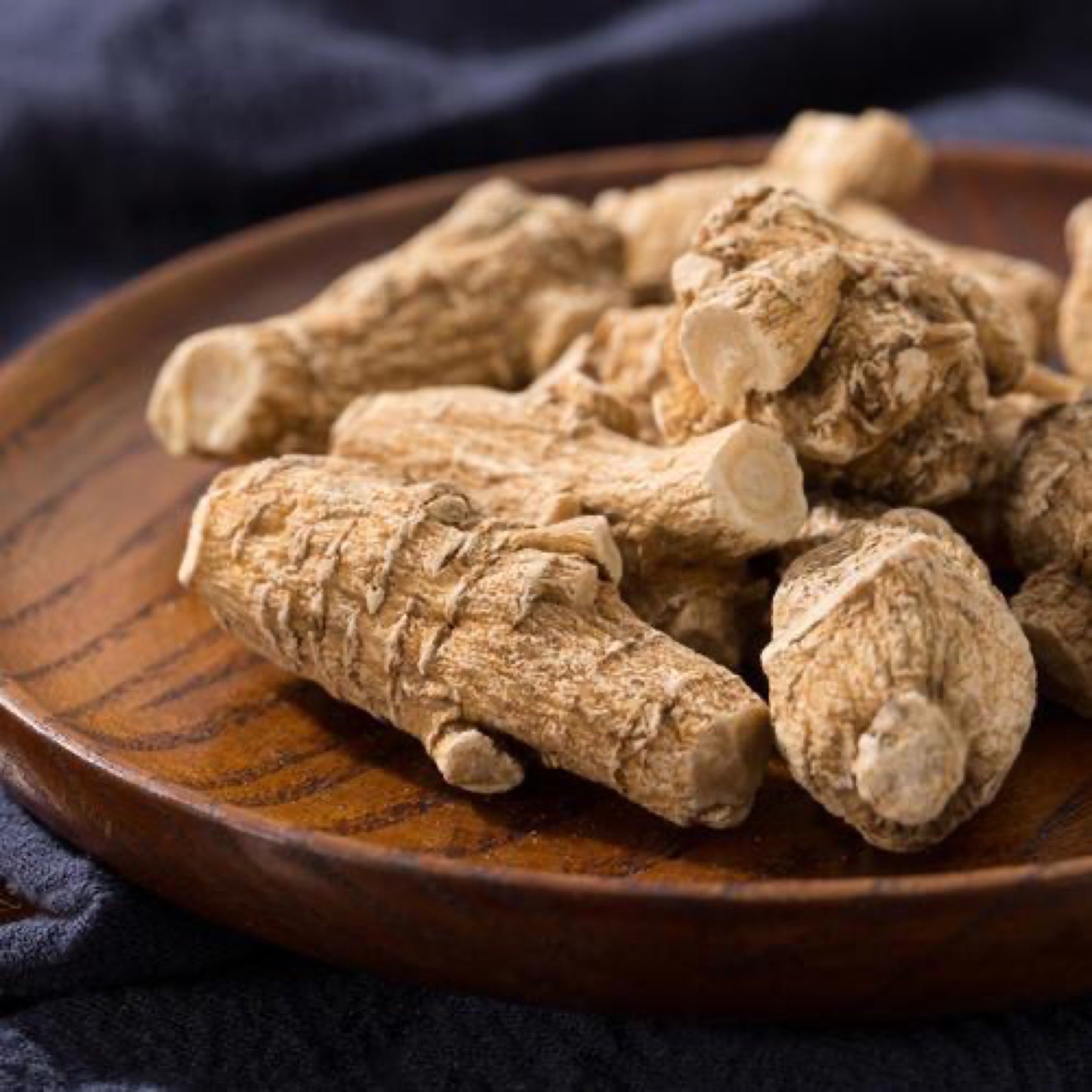


Reishi (Ling Zhi) is traditionally used to tonify Qi, calm the Shen (mind and spirit), and support vitality and overall wellness according to Traditional Chinese Medicine.
Reishi (Ling Zhi) is traditionally used to tonify Qi, calm the Shen (mind and spirit), and support vitality and overall wellness according to Traditional Chinese Medicine.
Ginseng (Ren Shen) is traditionally used to replenish Qi, strengthen the Spleen, support healthy energy, and promote the generation of body fluids according to Traditional Chinese Medicine.
Bamboo Shavings (Zhu Ru) are traditionally used to clear Heat, transform Phlegm, harmonize the Stomach, and ease nausea associated with Stomach Heat according to Traditional Chinese Medicine.
Tangerine Peel (Chen Pi) is traditionally used to regulate Qi, support healthy digestion, dry Dampness, and transform Phlegm, helping ease bloating and abdominal fullness according to Traditional Chinese Medicine.
 honey is the only binding agent
no artificial fillers or ingredients
herbs harvested at the height of potency
Our herbal supplements are made with natural honey as the binder. Honey can support the lungs, intestine, spleen, and stomach; It works as a natural preservative with antibacterial and healing properties. Unlike other herbal supplement companies that use starch, magnesium, and other chemical substances as binders for their supplements, we only use 100% honey. We also avoid using vegetable capsules because they require chemical components to form the capsule shape.


The herbs in our herbal pill blends are harvested at the height of their potency and they are substantially more expensive than less potent herbs that were harvested in the pre-or post-season, but in our view, there is no substitute for premium quality.
Over five generations we have collected, tested and refined Chinese herbal formulas that themselves draw from 3,000 years of experience of Traditional Chinese Medicine. Traditional Chinese Medicine is a profound pathway to create the life you were born to live. It's a timeless bridge that can initiate and support change and growth in any and every life dimension: physical, mental, emotional, and spiritual.

“Good Health is crucial for our overall well-being. It encompasses physical, mental, and emotional aspects, and it's important to prioritize taking care of ourselves to lead a fulfilling life. Emphasizing prevention over cure is paramount for maintaining this balance. Without health, life can become incredibly challenging. It affects our ability to pursue our goals, enjoy our relationships, and experience daily life to the fullest. Good health forms the foundation for everything else we want to achieve and experience.” - Ann Tam
Click below for
If you feel skeptical or unsure about Chinese herbal remedies, I could hardly blame you. I wasn’t a believer either—not until my daughter became very sick and my father, a fourth-generation herbalist, helped guide our family through her recovery with traditional Chinese herbs.
I was born into a family of herbalists. My father, grandfather, great-grandfather, and great-great-grandfather were all herbalists. I represent the fifth generation of this long family lineage, which dates back to Imperial China.
When I was three or four years old, I began learning herbal songs and how to identify different herbs. As I grew older, my father taught me how to process herbs while I worked in his clinic in Vietnam.
After we immigrated to the United States, my dad asked whether I wanted to pursue a career in Traditional Chinese Medicine as an herbalist or acupuncturist. I told him, “No, just leave me alone, Dad. I will find something I enjoy doing for work.” So he left me alone to find my own way.
I wanted nothing to do with herbal medicine until I gave birth to my second daughter, Catherine, who was born with severe gastric reflux. When Catherine was only 10 days old, I had to take her to the emergency room because she couldn’t keep milk down. She received fluids through an IV in her tiny hand. In addition to vomiting, she was also having diarrhea. Catherine was losing nourishment from both ends, and her little body was becoming smaller and weaker.
At the time, my dad warned me, “She needs to be treated with herbal medicine, or she may have seizures later.” I didn’t fully understand what he was telling me, so I ignored his warning.
My daughter became so ill that she could only drink half an ounce of milk each hour. Before feeding her, I used a syringe to give her Zantac to help reduce the vomiting. As time passed, she needed to be fed more frequently and consequently received Zantac more often. By the time Catherine was eight months old, she needed to be fed and medicated as many as 11 times a day.
I could hardly sleep, eat, shower, or rest. Even at night, I had to drape my daughter over my shoulder so she could sleep. If I put Catherine down, she would vomit. I barely had time to take a five-minute shower once or twice a week. I was exhausted, but what could I do? I had to care for my daughter and do my best to survive each day, hoping she would get better—or at the very least, that her condition would not worsen.
Catherine had to wear a turtleneck, two sweaters, a baby cap, and a scarf whenever we went outside, even during the summer when the temperature was over 100 degrees. If I didn’t cover her, she would develop a runny nose and cough, followed by nonstop vomiting. I constantly worried about her future. How would she ever attend school or go anywhere with air conditioning?
One day, we went to a Vietnamese pho restaurant. After placing Catherine in a high chair, I turned around to adjust my own chair. Suddenly, I heard a woman shout, “Look at her!”
I looked in the direction she was pointing. It was Catherine. Her eyes had rolled upward, her entire body was stiff and shaking, and fluid was coming from her mouth. Someone nearby told me to squeeze lemon into her mouth. Frightened and desperate, I followed that advice without hesitation. Her body eventually relaxed, and we rushed her to the emergency room.
At the time, I believed the lemon had helped her. I now understand that nothing should be placed in a person’s mouth during a seizure because it could cause injury or choking. I share this only as part of what happened that day—not as seizure first-aid advice.
Catherine remained in the hospital for three days while her brain activity was monitored. I was told that prolonged seizures could be dangerous. After that experience, I lived in constant fear because I had no idea when my baby girl might have another seizure.
The seizures began occurring weekly, and the doctor prescribed anti-seizure medication. Catherine wasn’t even one year old, yet she was receiving Zantac as many as 11 times a day, in addition to anti-seizure medication three times a day. Administering the medicine was extremely difficult because whenever I took out the syringe, she would cry and begin vomiting.
I took Catherine to see a specialist at CHOC and asked, “Doctor, have you ever seen an infant with this condition get well?”
The doctor replied, “It depends. Some children grow out of it, but some don’t. If they don’t, they may have to continue taking medication.”
“What do you mean by ‘grow out of it’?” I asked.
The doctor explained that Catherine’s condition might improve naturally as she became older.
My mind was racing. I asked, “All this time, the prescribed medication hasn’t been correcting what is happening in her stomach?”
The doctor explained that the medication was intended to help keep the food down, which was why it had to be given before each feeding.
I then asked, “What if she doesn’t grow out of it?”
I was told that she might need ongoing medication. That conversation stayed in my mind and made me question whether there might be another way to support my daughter.
Feeling that I had reached the end of the path I was following, I finally turned to my dad for help.
My father recommended an individualized herbal prescription for Catherine three times a day. After everything we had been through, giving her herbs three times a day instead of administering something as many as 14 times a day felt like a tremendous relief. Even so, it sounded almost too good to be true, and I remained cautious.
During the first month of following my father’s herbal approach, Catherine began vomiting less frequently. At one point, I let her cry briefly to see whether it would still trigger vomiting. It didn’t, and that was when I first believed she might truly be improving.
After another month, Catherine was able to wear fewer layers without immediately developing a runny nose, coughing, or vomiting. Over the course of approximately three months, her reflux and seizure episodes became less frequent and eventually stopped.
This was Catherine’s personal experience under my father’s individualized guidance. It is not a promise that another person will have the same experience, but for our family, it changed everything. Today, Catherine is grown and living a normal, healthy life.
Because of Catherine’s dramatic recovery, I finally began to believe in the traditional medicine that had surrounded me since childhood. I also asked my dad to work with me because I had a long history of fainting easily, especially during the winter. My own experience with his individualized herbal approach deepened my appreciation for the knowledge my family had preserved for generations.
I began thinking seriously about everything that had happened and wanted to understand more about herbs, the human body, and the traditional principles my father had tried to teach me. I wanted answers, so I decided to study in China, where herbal medicine has been practiced and developed over thousands of years.
I attended Traditional Chinese Medicine schools in China and Hong Kong and gained experience in TCM hospitals, where I learned from highly respected herbal doctors.
While I was there, I realized that I wanted to become an herbalist. However, I also wondered how I could secure a dependable supply of high-quality herbs. My father and I traveled across China and visited numerous farming regions. We met with farmers, studied how the herbs were grown and harvested, and began establishing relationships with growers.
Our formulas are made with carefully selected herbs harvested during the appropriate season, when their traditional qualities are considered strongest. These herbs can be substantially more expensive than lower-quality materials harvested too early or too late.
After returning to the United States, I worked closely with my dad, learned from his many years of experience, and studied the formulas and written knowledge passed down through our family.
Everything I went through with Catherine helped me understand the true importance of health. Without health, it becomes difficult to think about a career, beauty, education, independence, freedom, or anything else we hope to enjoy in life.
I have now worked with many individuals and families who have struggled as my family once struggled. Their trust and heartfelt appreciation inspire me to continue learning, preserve my family’s traditional knowledge, and work even harder to help others support their health and well-being.
Our namesake, Silkie, comes from a Chinese breed of chicken known for its calm and friendly temperament. Silkies are gentle, caring, and devoted mothers. A Silkie loves nothing more than brooding over a cluster of eggs, whether the eggs are her own or even belong to a duck.
We share that same outlook at Silkie Herbs®. We care for our clients with the same attention, patience, and dedication that we would give to members of our own family.
This is Ann’s personal family story and is shared for informational purposes only. Individual experiences vary, and this story is not intended as medical advice or as a promise of specific results.