


Một hỗn hợp thảo dược theo kinh nghiệm để s hỗ trợ phục hồi các triệu chứng liên quan đến đột quỵ ở bên phải cơ thể, đặc biệt là giải quyết tình trạng đờm và cục máu đông cản trở lưu thông máu bình thường đến khuôn mặt dẫn đến tình trạng bất đối xứng hoặc lệch. Công thức này loại bỏ tình trạng tắc nghẽn đờm và làm tan cục máu đông cản trở lưu thông máu, đây là 3 yếu tố chính gây biến dạng khuôn mặt, lệch miệng và chảy xệ cơ, đồng thời tăng cường chức năng phổi và tiêu hóa đồng thời thúc đẩy lưu thông máu toàn diện. Lý tưởng cho những người đang phục hồi sau đột quỵ, công thức này hỗ trợ phục hồi sức khỏe lưu thông máu và tăng cường sức khỏe tổng thể. *
Không biến đổi gen | Không chứa gluten | Không có đường, ngô hoặc sữa | Không có màu nhân tạo, hương vị, chất bảo quản, chất kết dính hóa học hoặc sáp
100% thảo mộc tự nhiên nguyên chất, được pha trộn, sản xuất và đóng gói tại Hoa Kỳ
Viên thuốc thảo dược Silkieherbs® bán buôn yêu cầu đơn hàng ban đầu tối thiểu là 250,00 đô la.
Để xa tầm tay trẻ em. Chỉ sử dụng theo chỉ dẫn. Nếu có bất kỳ dấu hiệu khó chịu hoặc kích ứng nào xảy ra, hãy ngừng sử dụng và tham khảo ý kiến bác sĩ.
Xin lưu ý rằng một công thức TCM được kê đơn dựa trên một mô hình được chẩn đoán và nhiều công thức thường được kê đơn để điều trị toàn bộ một người. Vui lòng tham khảo ý kiến của một bác sĩ TCM chuyên nghiệp , họ sẽ có thể hướng dẫn bạn tốt nhất.
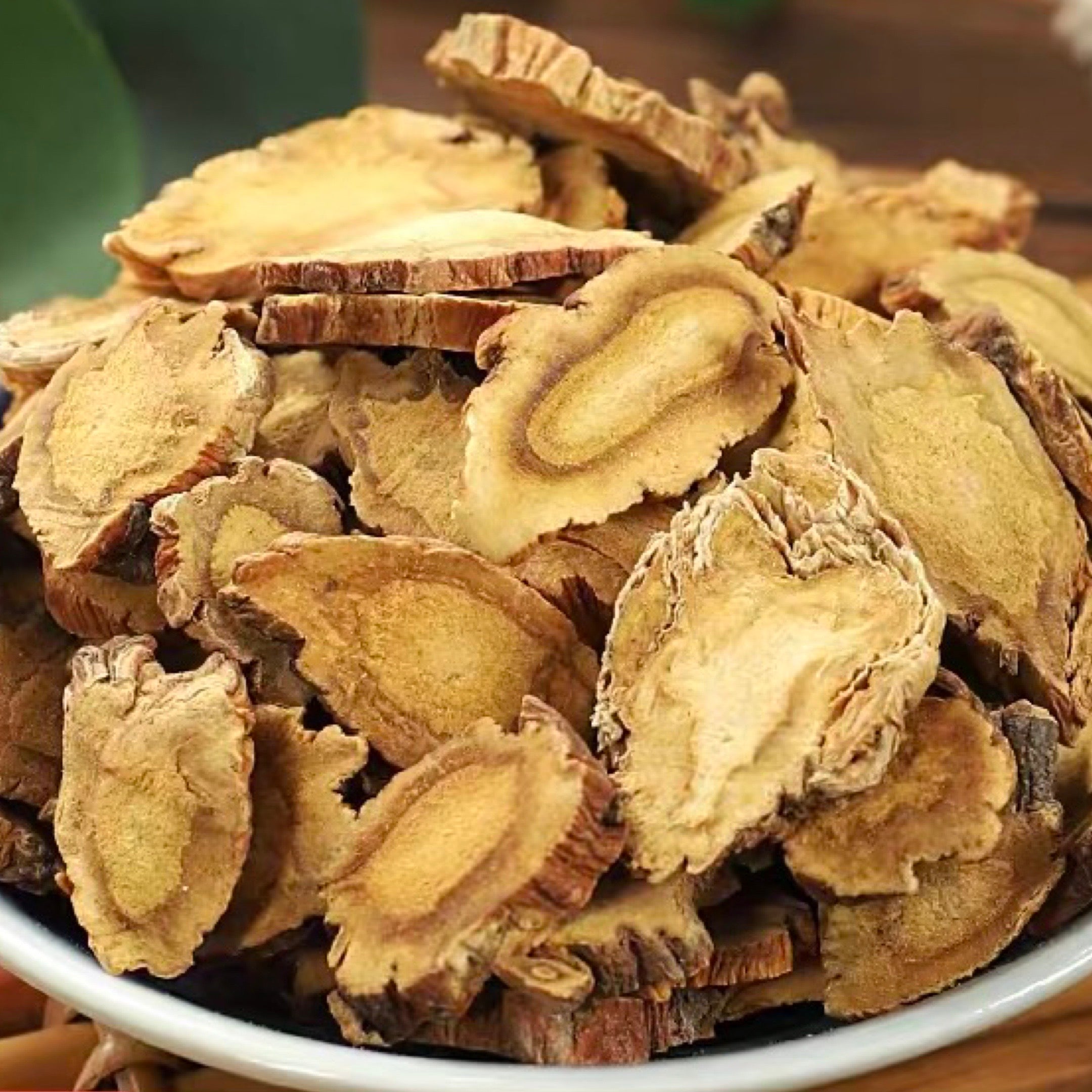
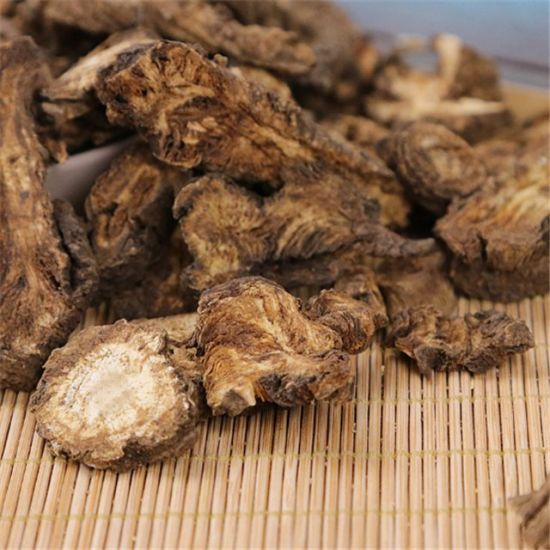


May improve digestion, reduce inflammation, and boost the immune system. It is also known to help reduce symptoms of anxiety and depression, inflammation and swelling of liver, spleen, stomach, muscle weakness and sprains, and also for treatment of amenorrhea and urinary retention.
May improve digestion, reduce inflammation, and boost the immune system. It is also known to help reduce symptoms of anxiety and depression, inflammation and swelling of liver, spleen, stomach, muscle weakness and sprains, and also for treatment of amenorrhea and urinary retention.
May release the exterior, dispel Cold, expel Wind-Damp and alleviate pain. It is beneficial to the bladder, liver, and kidneys. It is used to treat liver and kidney deficiency, language difficulties, mental coma and paralysis.
Strengthen immune system, nervous system, and relief respiratory diseases.
To support women's reproductive problems, such as dysmenorrhea or painful menstruation, and to improve blood flow.
 mật ong là chất kết dính duy nhất
không có chất độn hoặc thành phần nhân tạo
thảo mộc được thu hoạch ở thời điểm có hiệu lực cao nhất
mật ong là chất kết dính duy nhất
không có chất độn hoặc thành phần nhân tạo
thảo mộc được thu hoạch ở thời điểm có hiệu lực cao nhất
Thực phẩm bổ sung thảo dược của chúng tôi được làm từ mật ong tự nhiên làm chất kết dính. Mật ong có thể hỗ trợ phổi, ruột, lá lách và dạ dày; Nó hoạt động như một chất bảo quản tự nhiên có đặc tính kháng khuẩn và chữa lành. Không giống như các công ty thực phẩm bổ sung thảo dược khác sử dụng tinh bột, magiê và các chất hóa học khác làm chất kết dính cho thực phẩm bổ sung của họ, chúng tôi chỉ sử dụng 100% mật ong. Chúng tôi cũng tránh sử dụng viên nang thực vật vì chúng cần các thành phần hóa học để tạo thành hình dạng viên nang.


Các loại thảo mộc trong hỗn hợp thuốc thảo dược của chúng tôi được thu hoạch khi đạt hiệu quả cao nhất và đắt hơn đáng kể so với các loại thảo mộc ít hiệu quả hơn được thu hoạch vào trước hoặc sau mùa, nhưng theo quan điểm của chúng tôi, không có gì thay thế được chất lượng cao cấp.
Trong hơn năm thế hệ, chúng tôi đã thu thập, thử nghiệm và tinh chế các công thức thảo dược Trung Quốc, vốn được đúc kết từ 3000 năm kinh nghiệm của Y học cổ truyền Trung Quốc. Y học cổ truyền Trung Quốc là con đường sâu sắc để tạo ra cuộc sống mà bạn sinh ra để sống. Đó là cây cầu vượt thời gian có thể khởi xướng và hỗ trợ sự thay đổi và phát triển trong mọi khía cạnh của cuộc sống: thể chất, tinh thần, cảm xúc và tâm linh.
“Good Health is crucial for our overall well-being. It encompasses physical, mental, and emotional aspects, and it's important to prioritize taking care of ourselves to lead a fulfilling life. Emphasizing prevention over cure is paramount for maintaining this balance. Without health, life can become incredibly challenging. It affects our ability to pursue our goals, enjoy our relationships, and experience daily life to the fullest. Good health forms the foundation for everything else we want to achieve and experience.” - Ann Tam
Click below for
If you feel skeptical or unsure about Chinese herbal remedies, I could hardly blame you. I wasn’t a believer either—not until my daughter became very sick and my father, a fourth-generation herbalist, helped guide our family through her recovery with traditional Chinese herbs.
I was born into a family of herbalists. My father, grandfather, great-grandfather, and great-great-grandfather were all herbalists. I represent the fifth generation of this long family lineage, which dates back to Imperial China.
When I was three or four years old, I began learning herbal songs and how to identify different herbs. As I grew older, my father taught me how to process herbs while I worked in his clinic in Vietnam.
After we immigrated to the United States, my dad asked whether I wanted to pursue a career in Traditional Chinese Medicine as an herbalist or acupuncturist. I told him, “No, just leave me alone, Dad. I will find something I enjoy doing for work.” So he left me alone to find my own way.
I wanted nothing to do with herbal medicine until I gave birth to my second daughter, Catherine, who was born with severe gastric reflux. When Catherine was only 10 days old, I had to take her to the emergency room because she couldn’t keep milk down. She received fluids through an IV in her tiny hand. In addition to vomiting, she was also having diarrhea. Catherine was losing nourishment from both ends, and her little body was becoming smaller and weaker.
At the time, my dad warned me, “She needs to be treated with herbal medicine, or she may have seizures later.” I didn’t fully understand what he was telling me, so I ignored his warning.
My daughter became so ill that she could only drink half an ounce of milk each hour. Before feeding her, I used a syringe to give her Zantac to help reduce the vomiting. As time passed, she needed to be fed more frequently and consequently received Zantac more often. By the time Catherine was eight months old, she needed to be fed and medicated as many as 11 times a day.
I could hardly sleep, eat, shower, or rest. Even at night, I had to drape my daughter over my shoulder so she could sleep. If I put Catherine down, she would vomit. I barely had time to take a five-minute shower once or twice a week. I was exhausted, but what could I do? I had to care for my daughter and do my best to survive each day, hoping she would get better—or at the very least, that her condition would not worsen.
Catherine had to wear a turtleneck, two sweaters, a baby cap, and a scarf whenever we went outside, even during the summer when the temperature was over 100 degrees. If I didn’t cover her, she would develop a runny nose and cough, followed by nonstop vomiting. I constantly worried about her future. How would she ever attend school or go anywhere with air conditioning?
One day, we went to a Vietnamese pho restaurant. After placing Catherine in a high chair, I turned around to adjust my own chair. Suddenly, I heard a woman shout, “Look at her!”
I looked in the direction she was pointing. It was Catherine. Her eyes had rolled upward, her entire body was stiff and shaking, and fluid was coming from her mouth. Someone nearby told me to squeeze lemon into her mouth. Frightened and desperate, I followed that advice without hesitation. Her body eventually relaxed, and we rushed her to the emergency room.
At the time, I believed the lemon had helped her. I now understand that nothing should be placed in a person’s mouth during a seizure because it could cause injury or choking. I share this only as part of what happened that day—not as seizure first-aid advice.
Catherine remained in the hospital for three days while her brain activity was monitored. I was told that prolonged seizures could be dangerous. After that experience, I lived in constant fear because I had no idea when my baby girl might have another seizure.
The seizures began occurring weekly, and the doctor prescribed anti-seizure medication. Catherine wasn’t even one year old, yet she was receiving Zantac as many as 11 times a day, in addition to anti-seizure medication three times a day. Administering the medicine was extremely difficult because whenever I took out the syringe, she would cry and begin vomiting.
I took Catherine to see a specialist at CHOC and asked, “Doctor, have you ever seen an infant with this condition get well?”
The doctor replied, “It depends. Some children grow out of it, but some don’t. If they don’t, they may have to continue taking medication.”
“What do you mean by ‘grow out of it’?” I asked.
The doctor explained that Catherine’s condition might improve naturally as she became older.
My mind was racing. I asked, “All this time, the prescribed medication hasn’t been correcting what is happening in her stomach?”
The doctor explained that the medication was intended to help keep the food down, which was why it had to be given before each feeding.
I then asked, “What if she doesn’t grow out of it?”
I was told that she might need ongoing medication. That conversation stayed in my mind and made me question whether there might be another way to support my daughter.
Feeling that I had reached the end of the path I was following, I finally turned to my dad for help.
My father recommended an individualized herbal prescription for Catherine three times a day. After everything we had been through, giving her herbs three times a day instead of administering something as many as 14 times a day felt like a tremendous relief. Even so, it sounded almost too good to be true, and I remained cautious.
During the first month of following my father’s herbal approach, Catherine began vomiting less frequently. At one point, I let her cry briefly to see whether it would still trigger vomiting. It didn’t, and that was when I first believed she might truly be improving.
After another month, Catherine was able to wear fewer layers without immediately developing a runny nose, coughing, or vomiting. Over the course of approximately three months, her reflux and seizure episodes became less frequent and eventually stopped.
This was Catherine’s personal experience under my father’s individualized guidance. It is not a promise that another person will have the same experience, but for our family, it changed everything. Today, Catherine is grown and living a normal, healthy life.
Because of Catherine’s dramatic recovery, I finally began to believe in the traditional medicine that had surrounded me since childhood. I also asked my dad to work with me because I had a long history of fainting easily, especially during the winter. My own experience with his individualized herbal approach deepened my appreciation for the knowledge my family had preserved for generations.
I began thinking seriously about everything that had happened and wanted to understand more about herbs, the human body, and the traditional principles my father had tried to teach me. I wanted answers, so I decided to study in China, where herbal medicine has been practiced and developed over thousands of years.
I attended Traditional Chinese Medicine schools in China and Hong Kong and gained experience in TCM hospitals, where I learned from highly respected herbal doctors.
While I was there, I realized that I wanted to become an herbalist. However, I also wondered how I could secure a dependable supply of high-quality herbs. My father and I traveled across China and visited numerous farming regions. We met with farmers, studied how the herbs were grown and harvested, and began establishing relationships with growers.
Our formulas are made with carefully selected herbs harvested during the appropriate season, when their traditional qualities are considered strongest. These herbs can be substantially more expensive than lower-quality materials harvested too early or too late.
After returning to the United States, I worked closely with my dad, learned from his many years of experience, and studied the formulas and written knowledge passed down through our family.
Everything I went through with Catherine helped me understand the true importance of health. Without health, it becomes difficult to think about a career, beauty, education, independence, freedom, or anything else we hope to enjoy in life.
I have now worked with many individuals and families who have struggled as my family once struggled. Their trust and heartfelt appreciation inspire me to continue learning, preserve my family’s traditional knowledge, and work even harder to help others support their health and well-being.
Our namesake, Silkie, comes from a Chinese breed of chicken known for its calm and friendly temperament. Silkies are gentle, caring, and devoted mothers. A Silkie loves nothing more than brooding over a cluster of eggs, whether the eggs are her own or even belong to a duck.
We share that same outlook at Silkie Herbs®. We care for our clients with the same attention, patience, and dedication that we would give to members of our own family.
This is Ann’s personal family story and is shared for informational purposes only. Individual experiences vary, and this story is not intended as medical advice or as a promise of specific results.