Hernia Support Supplement by Silkie Herbs for inguinal hernia, groin lump, groin bulge, abdominal wall wellness, and healthy Qi circulation, made and packaged in the USA.
Traditional Chinese herbal formula for inguinal hernia support, groin discomfort, abdominal pressure, and healthy connective tissue wellness
How Silkie Herbs made our honey herbal pills
Natural Hernia Support Supplement for groin bulge, groin discomfort, abdominal wellness, digestive support, and healthy Qi flow
Honey-bound herbal pills used in Silkie Herbs Hernia Support formula showing pill size, appearance, and traditional preparation method

Hernia Formula - Inguinal Hernia, Groin Lump, Bulge & Groin Discomfort | Silkie Herbs® 疝氣

Regular price$90.00
/
Shipping calculated at checkout.

What Is Hernia Formula?

Hernia Formula is a traditional Chinese herbal formula designed to support groin health, healthy Qi circulation, abdominal comfort, connective tissue wellness, and overall lower abdominal and digestive balance.

In Traditional Chinese Medicine (TCM), hernia-related conditions are commonly associated with Qi stagnation, Cold accumulation, Phlegm nodules, and weakness of the Spleen and Kidney systems. When Qi does not circulate smoothly and the body's supportive energy becomes weakened, pressure, discomfort, fullness, or a noticeable lump or bulge in the inner groin may develop. Individuals may also experience heaviness, abdominal discomfort, digestive stagnation, or discomfort that becomes more noticeable while standing, lifting, coughing, or during physical activity.

Hernia Formula is based on classical Chinese herbal principles and contains carefully selected herbs traditionally used to support the healthy movement of Qi, soften Phlegm accumulation, promote abdominal comfort, strengthen the body's supportive Qi, and maintain healthy connective tissue function. This empirical herbal blend is commonly chosen by individuals seeking support for groin discomfort, abdominal pressure, lower abdominal fullness, digestive balance, healthy intestinal function, and long-term structural wellness. For comprehensive support, this formula is traditionally paired with Energy Endurance Formula to help strengthen Qi and support the body's natural recovery process.*

Common Signs of Qi Stagnation and Hernia Patterns in Traditional Chinese Medicine

  • Lump or bulge in the inner groin
  • Groin pressure or fullness
  • Lower abdominal discomfort
  • Dull discomfort that becomes more noticeable while standing
  • Swelling or fullness in one or both sides of the groin
  • Hardness or firmness in the affected area
  • Feeling of heaviness in the lower abdomen
  • Occasional discomfort around the umbilical region
  • Digestive stagnation or abdominal bloating
  • Nausea or occasional digestive discomfort
  • Fatigue or reduced physical stamina
  • Reduced comfort during lifting, bending, coughing, or prolonged standing
  • Weak Qi associated with lower abdominal support
  • Occasional bowel discomfort associated with digestive stagnation

Why Choose Silkie Herbs Hernia Formula?

  • Based on classical Chinese herbal principles
  • Carefully selected medicinal herbs
  • Designed to support healthy Qi circulation and lower abdominal wellness
  • Traditionally used to support groin comfort and digestive balance
  • Supports healthy connective tissue and structural wellness
  • Helps soften Phlegm accumulation and promote healthy Qi movement
  • Crafted to support balance rather than temporarily masking symptoms
  • Traditionally paired with Energy Endurance Formula for additional Qi support and overall vitality

Non-GMO | Gluten-Free | No sugar, corn, or dairy  | No artificial colors, flavors, preservatives, chemical binders, or wax 

100% Pure all natural herbs, blended, made, and packaged in the USA

*These statements have not been evaluated by the Food and Drug Administration. This product is not intended to diagnose, treat, cure, or prevent any disease.

Benefits of Hernia Formula

Support Healthy Connective Tissue and Structural Integrity*

Hernia Formula is traditionally used to support the body's natural structural balance and healthy connective tissues. According to Traditional Chinese Medicine (TCM), proper circulation of Qi helps maintain the body's internal support systems and overall physical stability.

Promote the Healthy Movement of Liver Qi*

In Traditional Chinese Medicine, the smooth circulation of Liver Qi is important for maintaining proper tension, flexibility, and support throughout the body. This formula is traditionally used to promote the healthy movement of Liver Qi and help maintain normal structural balance.

Support Healthy Groin Comfort*

This formula is traditionally used to support healthy comfort in the groin region. Individuals experiencing occasional pressure, fullness, or discomfort associated with internal imbalance may choose this formula as part of their long-term wellness routine.

Help Maintain Healthy Connective Tissue Function*

Traditional Chinese herbal medicine recognizes the importance of strong connective tissues and balanced Qi for maintaining structural support. This formula is traditionally used to nourish the body's internal support systems and promote healthy tissue function.

Encourage Healthy Qi Circulation*

According to Traditional Chinese Medicine, the smooth circulation of Qi supports overall comfort and internal balance. This formula is traditionally used to encourage healthy Qi movement and promote the body's natural structural harmony.

Support Healthy Circulation and Internal Balance*

Healthy circulation of Qi and Blood is traditionally believed to help maintain normal tissue nourishment and overall physical wellness. This formula is traditionally used to support healthy internal circulation and long-term balance.

Support Physical Comfort During Daily Activities*

Standing for long periods, lifting, walking, or physical activity may place additional demands on the body's structural support. This formula is traditionally used to promote everyday comfort and support physical resilience.

Support Overall Abdominal and Groin Wellness*

Traditional Chinese herbal formulas are often used to help maintain long-term structural balance throughout the abdominal and groin regions. This formula is traditionally used to support healthy function, comfort, and overall wellness.

Promote Long-Term Structural Wellness*

Rather than focusing only on temporary discomfort, Traditional Chinese Medicine emphasizes supporting the body's underlying patterns of imbalance. This formula is traditionally used to promote long-term structural wellness and healthy internal balance.

Individual results may vary. Improvement occurs gradually as internal balance is restored.

*These statements have not been evaluated by the Food and Drug Administration. This product is not intended to diagnose, treat, cure, or prevent any disease.

Common Signs You May Need Hernia Support

This formula is most appropriate for patterns associated with weakened Qi, Liver Qi stagnation, and reduced structural support according to traditional Chinese herbal principles. Different individuals may experience different symptoms, such as:

A Lump or Bulge in the Inner Groin

One of the most common signs is the appearance of a lump or bulge in the inner groin that may become more noticeable during standing, lifting, coughing, or physical activity. In Traditional Chinese Medicine, this pattern may reflect weakened Qi and reduced structural support.

Feeling Pressure or Heaviness in the Groin

Some individuals experience a persistent feeling of pressure, fullness, heaviness, or dragging discomfort in the groin area. These sensations may become more noticeable after prolonged standing, walking, or physical exertion.

Occasional Groin Discomfort

Individuals may notice occasional aching, pulling, or dull discomfort within the groin that varies throughout the day. Symptoms often become more noticeable during movement or after increased physical activity.

Swelling Around One or Both Testicles

Some individuals may experience swelling or fullness affecting one or both testicles. Traditional Chinese Medicine associates this presentation with impaired circulation of Qi and accumulation within the affected region.

Firm or Hardened Groin Mass

A firm, hardened, or stone-like lump within the groin region may develop over time. Traditional Chinese Medicine considers this pattern to involve Qi stagnation together with the accumulation of Phlegm and other pathological substances.

Umbilical or Lower Abdominal Discomfort

Discomfort around the umbilical region or lower abdomen may accompany weakened structural support and impaired Qi movement. Individuals may notice occasional pulling sensations or abdominal pressure during daily activities.

Feeling Worse When Standing or Lifting

Symptoms may become more noticeable after prolonged standing, heavy lifting, bending, coughing, or other activities that increase pressure within the abdomen. Resting may help improve overall comfort.

Fatigue and Reduced Physical Strength

Weak Qi is traditionally associated with reduced physical stamina and diminished structural support. Individuals may experience fatigue, reduced endurance, or feel physically depleted during routine daily activities.

Occasional Nausea or Digestive Discomfort

Some individuals may experience occasional nausea, digestive discomfort, or abdominal fullness together with groin symptoms. Traditional Chinese Medicine views healthy digestion and Qi circulation as closely connected.

Sluggish Digestion and Abdominal Fullness

A feeling of abdominal fullness, bloating, or sluggish digestion may occur alongside weakened Qi. Traditional Chinese herbal medicine emphasizes supporting digestive function to help maintain overall internal balance.

Reduced Structural Support with Aging

As individuals age or recover from periods of physical stress, the body's connective tissues and structural support may gradually weaken. This formula is traditionally used to help support healthy structural function and long-term wellness.

Individuals Seeking Long-Term Structural Support

This formula is commonly selected by individuals seeking traditional herbal support for maintaining healthy connective tissues, promoting smooth Qi circulation, and supporting overall abdominal and groin wellness as part of a comprehensive wellness routine.

Individuals with more complex, chronic, recurring, or long-standing patterns of structural weakness may benefit from combining this formula with additional herbal support to address underlying imbalances and promote stronger Qi, healthy circulation, and long-term structural wellness.

Diet and Lifestyle Tips for Liver Health

According to traditional Chinese herbal principles, healthy liver function is supported by balanced digestion, smooth circulation of Liver Qi, proper elimination, and a healthy lifestyle. Daily habits that nourish the Liver and support the Spleen may help promote long-term liver wellness, healthy detoxification, and overall vitality.

For best results:

  • Eat regular, balanced meals on a consistent schedule
  • Choose freshly prepared, nutrient-rich foods and prioritize cooked meals over excessive raw or processed foods
  • Stay well hydrated throughout the day
  • Engage in regular physical activity such as walking, Tai Chi, Qigong, or other moderate exercise to support healthy circulation
  • Maintain a healthy body weight through balanced nutrition and regular movement
  • Get adequate sleep and aim for a consistent sleep schedule
  • Manage stress through relaxation, meditation, deep breathing, or other healthy lifestyle practices
  • Allow adequate time for rest and recovery during periods of physical or emotional stress

To support healthy liver function, it is recommended to limit:

  • Alcohol consumption
  • Smoking and tobacco products
  • Highly processed foods
  • Deep-fried, greasy, or fatty foods
  • Excess sugar and sugary beverages
  • Excessive spicy or heavily seasoned foods
  • Late-night meals and overeating
  • Excessive intake of highly processed snacks and fast food

Foods traditionally considered supportive for liver wellness include leafy green vegetables, cruciferous vegetables, whole grains, berries, garlic, ginger, beets, legumes, and other nutrient-rich foods that support healthy digestion, circulation, and overall vitality.

In Traditional Chinese Medicine, the Liver works closely with the Spleen to promote the smooth movement of Qi, support healthy Blood circulation, and maintain internal balance. Supporting digestive health and healthy lifestyle habits may help maintain healthy liver function and overall wellness.

Consistent nutrition, regular exercise, quality sleep, stress management, and proper digestive health are important foundations for supporting liver health, healthy detoxification, energy, and long-term vitality.

Key Ingredients in Hepatitis Formula

Hepatitis Formula contains a carefully selected combination of traditional Chinese herbs that work together to support liver health, healthy Liver Qi flow, healthy circulation, digestive balance, and overall wellness.

Stringy Stonecrop

Traditionally used in Chinese herbal practice to support healthy liver function, promote detoxification, and help maintain normal liver wellness. Stringy Stonecrop has long been used to support the body's natural cleansing processes and overall vitality.

Angelica Root (Dang Gui)

Traditionally used to nourish and invigorate Blood while supporting healthy circulation. Angelica Root helps maintain the smooth flow of Qi and Blood, supporting overall liver and women's health according to Traditional Chinese Medicine.

Tree Peony Bark (Mu Dan Pi)

Traditionally used to cool excess Heat, support healthy Blood circulation, and maintain internal balance. Tree Peony Bark is commonly included in formulas designed to support liver wellness and healthy inflammatory balance.

Virgate Wormwood (Yin Chen Hao)

Traditionally used to support healthy liver and gallbladder function, promote the smooth flow of bile, and help clear Damp-Heat according to Traditional Chinese Medicine. It has been used for centuries to support overall liver wellness.

Peach Seed (Tao Ren)

Traditionally used to promote healthy Blood circulation and help maintain the smooth movement of Qi and Blood. Peach Seed is commonly included in traditional formulas that support healthy circulation and tissue wellness.

Ligulilobe Sage Root (Dan Shen)

Traditionally used to support healthy circulation, nourish the Blood, and promote healthy liver function. Dan Shen is widely used in Traditional Chinese Medicine to maintain cardiovascular and liver wellness.

Pure Honey

Used as the traditional binding agent for Silkie Herbs honey-bound herbal pills. Honey has historically been used to harmonize herbal formulas, support digestion, help preserve freshness, and improve palatability.

Together, these herbs have traditionally been used to support healthy liver function, promote healthy Liver Qi flow, maintain healthy circulation, support digestive balance, encourage the body's natural detoxification processes, and promote overall liver wellness and vitality.*

*These statements have not been evaluated by the Food and Drug Administration. This product is not intended to diagnose, treat, cure, or prevent any disease.
Serving Size 10 pills
Serving Per Container 30
Amount Per Serving 3000mg
Herbal Blend:
Tangerine Seed
Peach Seed
Hawthorn Fruit
Bupleurum
Medicated Leaven
Fresh Rehmannia
Licorice Root
Other ingredients: Pure honey to aid digestion and absorption

How to Take Hepatitis Formula

Adults or teenagers may take 5–10 pills once or twice daily with warm water, or as directed by a qualified healthcare practitioner. If taking medications or other supplements, allow at least 2 hours before or after using this product.

Healthy liver function and overall wellness develop gradually and are influenced by nutrition, digestion, stress management, sleep, and healthy lifestyle habits. Noticeable benefits may develop over several weeks of consistent use.

For best results, take consistently as directed. Traditional Chinese herbal formulas are often used daily as part of a long-term wellness routine.

A Proven, Research-Backed Hernia Support Formula

Modern research on traditional herbs commonly used in formulas for Qi movement, healthy circulation, and connective tissue support, particularly Bupleurum (Chai Hu), Peach Seed (Tao Ren), Hawthorn Fruit (Shan Zha), and Tangerine Seed (Ju He), has explored their effects on healthy circulation, inflammatory pathways, antioxidant activity, and tissue homeostasis. Research published in Journal of Ethnopharmacology has investigated Bupleurum's bioactive compounds and their traditional role in maintaining healthy inflammatory balance and supporting normal physiological function.

Additional studies published in Frontiers in Pharmacology and Phytomedicine have examined Peach Seed and Hawthorn Fruit for their roles in supporting healthy blood circulation, connective tissue physiology, antioxidant protection, and normal tissue repair processes. Research has also explored Licorice Root (Gan Cao) for its antioxidant and immune-regulating properties, while Fresh Rehmannia (Sheng Di Huang) has been studied for its protective effects on oxidative stress and healthy tissue function.

From a Traditional Chinese Medicine perspective, hernia discomfort is often associated with Liver Qi stagnation, impaired circulation of Qi and Blood, and weakening of the body's supporting tissues. Traditional herbal formulas are designed to promote the smooth movement of Qi, support healthy circulation, soften accumulations, and help restore the body's natural balance according to classical Chinese herbal principles.

Research References

Bupleurum: Traditional Uses, Phytochemistry and Pharmacology (Journal of Ethnopharmacology)

https://www.sciencedirect.com/science/article/pii/S0378874121007460

Peach Seed (Persicae Semen): Pharmacological Activities and Clinical Applications (Frontiers in Pharmacology)

https://www.frontiersin.org/journals/pharmacology/articles/10.3389/fphar.2022.1030066/full

Hawthorn (Crataegus): Pharmacological Effects and Therapeutic Applications (Phytomedicine)

https://www.sciencedirect.com/science/article/pii/S0944711320301182

Licorice (Glycyrrhiza): A Review of Traditional Uses, Phytochemistry and Pharmacology (Journal of Ethnopharmacology)

https://www.sciencedirect.com/science/article/pii/S0378874118307568

Frequently Asked Questions

What is Hernia Formula used for?

Hernia Formula is traditionally used in Chinese herbal practice to support individuals experiencing inguinal hernias, groin lumps or bulges, umbilical discomfort, feelings of pressure in the groin, occasional pain when standing, and other symptoms associated with Qi stagnation and organ prolapse according to Traditional Chinese Medicine. It is commonly chosen by individuals seeking natural support for groin comfort, healthy connective tissue, and overall abdominal wellness.

How does Traditional Chinese Medicine view hernias?

In Traditional Chinese Medicine (TCM), hernias are often associated with Qi stagnation, Liver Qi stagnation, Qi deficiency, Blood Stagnation, and weakness of the connective tissues that support the internal organs. When Qi does not circulate properly or becomes deficient, tissues may lose their ability to hold organs in place, contributing to bulging, discomfort, and feelings of heaviness.

What is Qi Stagnation in Traditional Chinese Medicine?

Qi Stagnation is a TCM pattern in which the body's vital energy does not move freely. Common signs may include distention, pressure, discomfort, fullness, abdominal bloating, groin pain, emotional stress, digestive irregularities, and tension throughout the body. Traditional herbal formulas are commonly used to promote healthy Qi movement and restore balance.

Who may benefit from Hernia Formula?

Individuals experiencing inguinal hernias, groin bulges, abdominal wall weakness, feelings of pressure in the groin, umbilical discomfort, occasional lower abdominal pain, intestinal discomfort, or mild connective tissue weakness may choose Hernia Formula as part of their wellness routine.

Can Hernia Formula support groin discomfort?

Traditional Chinese herbal formulas have long been used to support healthy circulation of Qi and Blood while helping maintain connective tissue strength and overall abdominal wellness. Hernia Formula is commonly chosen by individuals seeking natural support for groin discomfort and abdominal support.

Can Hernia Formula be used for inguinal hernias?

Many individuals choose Hernia Formula as part of their wellness plan to support healthy connective tissue, Qi circulation, and abdominal comfort. Traditional Chinese Medicine focuses on addressing underlying patterns such as Qi deficiency, Liver Qi stagnation, and Blood Stasis that may contribute to hernia-related discomfort.

Can Hernia Formula help support abdominal wall strength?

Traditional Chinese Medicine emphasizes strengthening the body's Qi and nourishing connective tissues to help support the natural integrity of the abdominal wall. Many individuals choose Hernia Formula to support healthy tissue function and overall structural wellness.

Why is healthy Qi circulation important for hernias?

According to Traditional Chinese Medicine, healthy Qi circulation helps maintain normal movement, nourishment, and support throughout the body. When Qi becomes stagnant or deficient, tissues may weaken, allowing discomfort, pressure, or bulging to develop. Supporting healthy Qi flow is considered an important part of maintaining abdominal wellness.

Can long-term Qi deficiency contribute to hernias?

According to Traditional Chinese Medicine, long-term Qi deficiency may reduce the body's ability to support muscles, ligaments, fascia, and connective tissues. Over time, this weakness may contribute to prolapse, abdominal wall weakness, or inguinal hernia symptoms in some individuals.

What symptoms are commonly associated with Qi deficiency and hernias?

Qi deficiency associated with hernias may include groin bulges, feelings of heaviness or pressure, discomfort when standing, abdominal weakness, fatigue, occasional nausea, digestive discomfort, bowel irregularities, and reduced physical endurance according to Traditional Chinese Medicine.

How long should I take Hernia Formula?

Every individual is different. The length of use depends on factors such as the severity of symptoms, overall health, connective tissue strength, lifestyle habits, and consistency of use. Some individuals choose Hernia Formula for ongoing support, while others use it during periods of increased physical strain. Long-term use is best discussed with a qualified practitioner.

Can I take Hernia Formula with other Silkie Herbs formulas?

Many Silkie Herbs formulas are designed to complement one another. Hernia Formula is often combined with Spleen Support, Digestive Support, Blood and Stamina, Energy Endurance, Kidney Support Yang, Kidney Support Yin, and other formulas depending on individual wellness goals and TCM pattern differentiation.

When is the best time to take Hernia Formula?

Hernia Formula may be taken according to the directions on the label or your practitioner's recommendation. Many individuals choose to take it consistently to support healthy Qi circulation, connective tissue wellness, digestive balance, and abdominal comfort.

What herbs are included in Hernia Formula?

Hernia Formula contains a carefully selected blend of Tangerine Seed, Peach Seed, Hawthorn Fruit, Bupleurum, Medicated Leaven, Fresh Rehmannia, and Licorice Root, along with pure honey as the binding agent. These herbs have traditionally been used in Chinese herbal practice to promote healthy Qi circulation, support connective tissues, nourish Blood, support digestion, and maintain abdominal wellness.

Can Hernia Formula be used year-round?

Many individuals choose to use Hernia Formula as part of their long-term wellness routine when supporting connective tissue health, abdominal strength, digestive balance, and healthy Qi circulation according to Traditional Chinese Medicine principles.

What makes Silkie Herbs Hernia Formula different?

Silkie Herbs formulas are rooted in five generations of traditional herbal practice. Each formula is based on classical Traditional Chinese Medicine principles and uses carefully selected medicinal herbs prepared as traditional honey-bound herbal pills. We do not use capsules, compressed tablets, artificial fillers, synthetic binders, or unnecessary additives. Every batch is manufactured in the United States and undergoes rigorous quality testing to support consistency, purity, and authenticity.

Why does Traditional Chinese Medicine focus on Qi for hernia support?

Traditional Chinese Medicine teaches that Qi provides the body's lifting, holding, and supporting functions. When Qi becomes deficient or stagnant, tissues may lose strength and support, contributing to prolapse or hernia-related symptoms. Supporting healthy Qi has been a central principle of hernia management in TCM for centuries.

Can digestive health affect hernia symptoms?

According to Traditional Chinese Medicine, healthy digestion plays an important role in maintaining strong Qi. Chronic digestive weakness, bloating, constipation, or poor nutrient transformation may contribute to Qi deficiency, which can reduce the body's ability to support muscles and connective tissues.

Can Hernia Formula be taken daily?

Many individuals choose to take Hernia Formula daily as part of their long-term wellness routine. Consistent use is often preferred when supporting connective tissue health, healthy Qi circulation, abdominal comfort, digestive wellness, and overall balance according to Traditional Chinese Medicine principles.

What foods help support abdominal and connective tissue health?

Many practitioners recommend a balanced diet that includes quality protein, cooked vegetables, whole grains, mineral-rich foods, adequate hydration, and regular meals. Traditional Chinese Medicine often emphasizes supporting digestion and avoiding overeating, chronic constipation, and excessive physical strain to help maintain healthy Qi and connective tissues.

Why are Silkie Herbs formulas made as honey-bound pills?

Silkie Herbs uses traditional honey-bound herbal pills rather than capsules or compressed tablets. Pure honey acts as a natural binding agent and has traditionally been used in Chinese herbal medicine to harmonize formulas and support digestion. This method allows us to avoid many of the synthetic fillers, binders, lubricants, and flow agents commonly found in modern supplements.

Are Silkie Herbs formulas third-party tested?

Yes. Silkie Herbs performs testing throughout the production process, from raw herb verification to finished product testing. This includes screening for identity, purity, heavy metals, pesticides, and microbial contaminants to help ensure quality and consistency.

Where are Silkie Herbs products made?

Silkie Herbs formulas are manufactured and packaged in the United States. Each formula is produced under strict quality standards while following traditional Chinese herbal principles and preparation methods.

What makes traditional Chinese herbal formulas different from single-herb supplements?

Traditional Chinese herbal formulas are carefully balanced combinations of herbs designed to work together according to classical TCM principles. Rather than relying on a single ingredient, each herb serves a specific role within the formula to promote balance, harmony, and overall wellness.

Why does Silkie Herbs use traditional herbal preparation methods?

Many herbs are traditionally processed using methods known as Pao Zhi (炮製), which may include roasting, steaming, honey-frying, wine-frying, fermenting, or aging. These preparation methods have been used for centuries in Traditional Chinese Medicine to refine the properties of herbs and support their traditional functions.

Why Silkie Herbs

Silkie formulas are rooted in five generations of traditional herbal practice, not trend-based supplement marketing.

  • 5th Generation Herbalist Family Tradition
  • Traditional Chinese Herbal Formulas
  • Honey-Bound Herbal Pills
  • No Capsules
  • No Tablets
  • No Artificial Binders or Fillers
  • Made in the USA
  • Third-Party Tested
  • Authentic Medicinal-Grade Herbs
  • Traditional Herb Preparation Methods (Pao Zhi)
  • Classical Formula Design
  • Five Generations of Herbal Knowledge

Silkie Herbs formulas are rooted in five generations of Traditional Chinese Medicine herbal practice. Rather than following supplement trends, our formulas are based on traditional herbal principles passed down through generations and refined through clinical experience.

Unlike most supplements, Silkie Herbs uses traditional honey-bound herbal pills instead of capsules or compressed tablets. We do not use artificial binders, fillers, lubricants, or flow agents. Pure honey is used as a natural binding agent to help preserve the formula while supporting digestion and absorption.

Every formula is manufactured in the United States using authentic medicinal-grade herbs and traditional preparation methods. Each batch undergoes third-party testing for identity, purity, heavy metals, pesticides, and microbial contaminants to help ensure quality and consistency.

True healing takes time. Silkie formulas honor the body’s natural ability to restore balance — the way herbal medicine has always been practiced.

Learn How Silkie Formulas Are Made

Important Safety Information and Cautions

Keep out of reach of children. Use only as directed. If any signs of discomfort or irritation occur, discontinue use and consult your physician. 

Please note that a TCM formula is prescribed based on a diagnosed pattern and multiple formulas are usually prescribed to treat the whole person. Please consult a professional TCM practitioner, they will be best able to guide you.

Consult your healthcare provider before use if you are pregnant, nursing, taking medications, or have a medical condition.
Ingredients

Ingredients

image_description

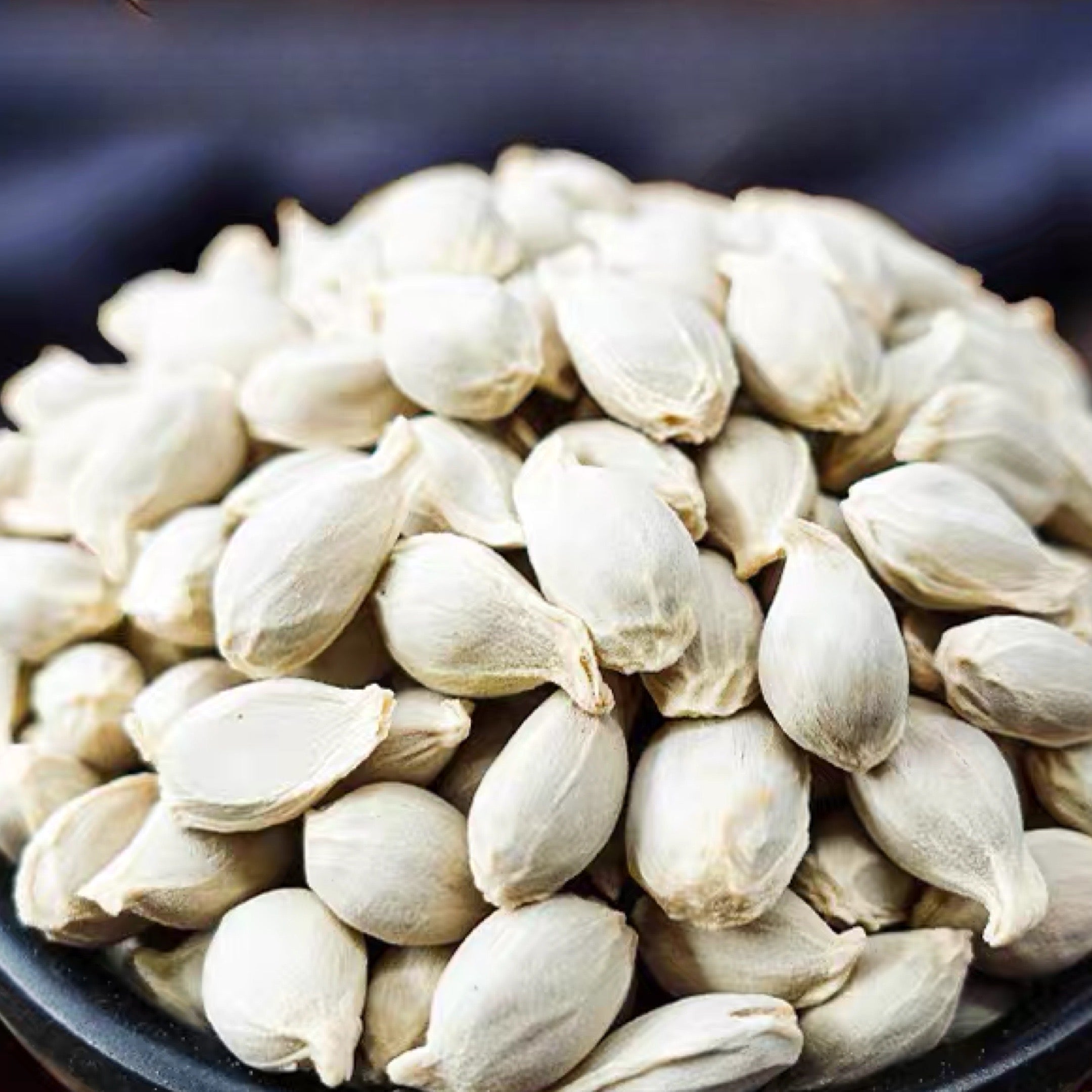
Tangerine seed

Tangerine Seed (Ju He) is commonly used in TCM to regulate Qi (vital energy) and alleviate symptoms of indigestion, bloating, and abdominal distension, and is clinically used for hernia pain, testicular swelling, pain, and mastitis. It can stimulate gastrointestinal motility, thereby enhancing digestive function.

image_description

Peach seed

Peach Seed (Tao Ren) is known for its blood-moving properties and is often used to invigorate blood circulation, disperse blood stasis, and alleviate menstrual irregularities or abdominal pain caused by blood stagnation.

image_description

Hawthorn fruit

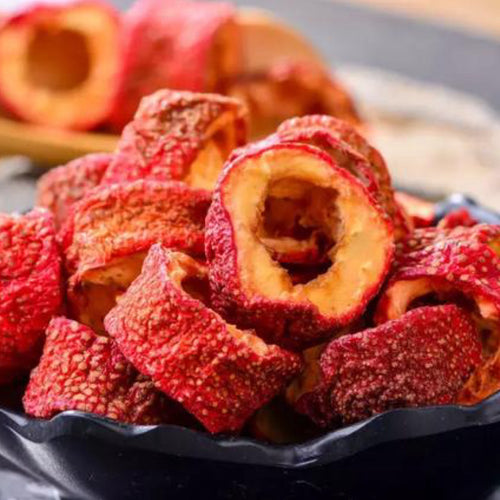
Hawthorn Fruit (Shan Zha) is traditionally used to aid digestion, regulate Qi, and disperse food stagnation in the stomach and intestines. It may also help reduce cholesterol levels and support cardiovascular health.

image_description

Medicated leaven

Medicated Leaven (Shen Qu) is used in TCM to strengthen the spleen, promote digestion, and resolve food stagnation. It contains enzymes that help break down food and improve nutrient absorption.

honey is the only binding agent
no artificial fillers or ingredients
herbs harvested at the height of potency

100% Natural

Our herbal supplements are made with natural honey as the binder. Honey can support the lungs, intestine, spleen, and stomach; It works as a natural preservative with antibacterial and healing properties. Unlike other herbal supplement companies that use starch, magnesium, and other chemical substances as binders for their supplements, we only use 100% honey. We also avoid using vegetable capsules because they require chemical components to form the capsule shape.

Peak Harvest Herbs

The herbs in our herbal pill blends are harvested at the height of their potency and they are substantially more expensive than less potent herbs that were harvested in the pre-or post-season, but in our view, there is no substitute for premium quality.

5 Generations

Over five generations we have collected, tested and refined Chinese herbal formulas that themselves draw from 3000 years of experience of Traditional Chinese Medicine.  Traditional Chinese Medicine is a profound pathway to create the life you were born to live. It's a timeless bridge that can initiate and support change and growth in any and every life dimension: physical, mental, emotional, and spiritual. 

TCM history

Message From Ann

“Good Health is crucial for our overall well-being. It encompasses physical, mental, and emotional aspects, and it's important to prioritize taking care of ourselves to lead a fulfilling life. Emphasizing prevention over cure is paramount for maintaining this balance. Without health, life can become incredibly challenging. It affects our ability to pursue our goals, enjoy our relationships, and experience daily life to the fullest. Good health forms the foundation for everything else we want to achieve and experience.” - Ann Tam

Click below for

Ann's Story

Here's my story.

If you feel skeptical or unsure of Chinese herbal remedies, I could hardly blame you. I wasn't a believer either until my daughter grew very sick and my father (the 4th generation herbalist) helped her get better with herbs.

I was born into a family of herbalists. My father, my grandfather, my great-grandfather, great-great grandfather were all herbalists. I represent the 5th generation in this long lineage dating back to Imperial China.

When I was three or four years old, I started to learn herbal songs and how to identify herbs. As I got older, I was taught how to process the herbs while working in my dad’s clinic in Vietnam. After we immigrated to the United States, my dad asked me if I wanted to pursue a career in TCM as an herbalist or acupuncturist. I said, “No, just leave me alone, Dad. I will find something I enjoy doing for work.” So, he left me alone to find my own way.

I wanted nothing to do with herbal medicine until I gave birth to my second daughter, Catherine, who was born with severe gastric reflux. When Catherine was 10 days old, I had to take her to the ER for IV injections into her little hand because she couldn’t keep milk down. Besides vomiting, she also was having diarrhea. Catherine was losing nutrition from both ends, so her tiny body was shrinking. At that time my dad warned me, “She needs to be treated with herbal medicine, otherwise she will have seizures later on.” I didn’t fully understand what my dad was talking about, so I ignored him.

My daughter got so ill that she could only take half an ounce of milk per hour. Before feeding her, I would use a syringe and shoot Zantac into her mouth to lessen the vomiting. As time passed, she needed milk more often, and consequently more Zantac. By the time Catherine was 8 months old, she needed to be fed and medicated 11 times a day.

I could hardly sleep, eat, shower or rest. Even at night, I had to drape my daughter over my shoulder for her to sleep. If I put Catherine down, she would vomit. I barely had time to squeeze in a 5-minute shower once or twice a week for myself. I was exhausted, but what could I do? I had to care for my daughter and do my best to survive each day with the hope that she would get better or at the very least her condition would not worsen.

Catherine had to wear a turtleneck with two sweaters along with a baby cap and scarf to be outside during the heat of summer, even when temperatures were 100 plus degrees. If I didn’t cover her up, she would have a runny nose, cough, and non stop vomiting. How will she be able to go to school or anywhere with air conditioning?

One day we went to a Vietnamese pho restaurant. After I set Catherine down into the high-chair, I turned around and adjusted my chair. Then I heard a woman’s shout, “Look at her!” I looked in the direction she pointed. It was Catherine…her eyes rolled up and her entire body stiff and shaking with fluid coming out of her mouth. Someone said, “Squeeze some lemon into her mouth.” I did it without hesitating and Catherine’s body relaxed.

We rushed her to the ER. For 3 days she was in the NICU where they monitored her brain. The doctors told me I was lucky because my daughter’s seizure didn’t last for more than 3 minutes which would have damaged her brain. After that I always carried a piece of lemon because I had no idea when my baby girl might have another seizure.

The seizures started to come weekly, so the doctor prescribed anti-seizure medication. Catherine wasn’t even 1 year of age, and already she was taking Zantac 11 times plus anti-seizure medicine 3 times a day. It was nearly impossible to administer the anti-seizure medicine because whenever I took out the syringe, she would cry and start vomiting.

I took Catherine to see a specialist at CHOC. I asked, “Doctor, have you ever seen any infant with this condition get well?” The doctor replied, “It depends. Some will grow out of it, but some don’t. If they don’t, then they will have to take medication for the rest of their life.”

“What do you mean by grow out of it?” The doctor explained that Catherine might get better by herself as she got older.

My mind was racing. “All this time the prescribed medication has not been treating her stomach?” The doctor said, “No, it only helps to guide the food down, so she won’t vomit it back up. That’s why you have to give it to her before the feeding.”

“Well, what if she doesn’t grow out of it?” In that case, Catherine will be dependent upon medication for the rest of her life. The doctor further informed me that she too was born with gastro reflux and is still taking medicine for the condition.

Her statement was like lightning in my brain. If the doctor can’t even treat herself for gastro reflux, how can she help my daughter? Seeing the futility of my path, I turned to my dad for help.

My dad advised me to stop all western drugs and to give her an herbal prescription 3 times a day. Administering medicine 3 times instead of 14 times a day to Catherine was a godsend to me. Even though it sounded too good to be true, I figured that I could still give Zantac to Catherine if she didn’t get better or continued to vomit.

After one month of herbs 3 times a day, Catherine vomited less and less. To test Catherine, I let her cry to see if she would vomit. She didn’t, so I knew she was getting better. After another month of herbal medicine, Catherine was able to wear less clothing without getting a runny nose, coughing, or vomiting. After 3 months of herbal formulas, she stopped having episodes of gastro reflux and seizure. Catherine will enjoy a normal, healthy life.

Because of Catherine’s dramatic recovery, I was sold on Chinese medicine and asked my dad to treat me. I fainted very easily, especially during the winter. After a few months of herbal formulas, I have never fainted again.

I started to have time to think and tried to understand why a piece of lemon helps to relax the muscles and stop a seizure. Lemon is a common citrus, yet it has magical powers that we don’t understand and underestimate. I wanted to learn more and find answers, so I decided to go to China which has a long history of herbal medicine. I went to TCM schools in China and Hong Kong and worked in the TCM hospitals to learn from the best herbal doctors in the world.

When I was there, I knew one day I would want to become an herbalist, but how can I get a steady supply of high-quality herbs. My dad and I backpacked across China and visited many farmlands. We interviewed farmers to grow herbs for us. Our products are used with the highest quality herbs that have been harvested at the height of their potency. They are substantially more expensive than less potent herbs that were harvested in the pre- or post-season.

After I came back to the United State, I worked with my dad and learned from his experiences and studied the formulas that our ancestors passed down. What I have been through helped me to understand the importance of health. Without health, don’t even talk about career, beauty, education, freedom, etc. I now have worked with many families who have suffered as I have. Their endearing appreciation drives me to work harder.

Our namesake "Silkie" is a Chinese breed of chicken that is well known for its calm and friendly temperament. They are gentle and caring and make wonderful mothers. A Silkie loves nothing more than brooding a cluster of eggs, whether they are hers or not, even if they are "duck eggs". We share the same outlook and care for our clients the same way we care for our own family.

Read more

Understanding Hernia: A Comprehensive Guide


A hernia occurs when an organ or fatty tissue squeezes through a weak spot in a surrounding muscle or connective tissue called fascia. This can result in a noticeable bulge or lump, often occurring in the abdominal or groin area. Hernias can be caused by a variety of factors, including heavy lifting, persistent coughing, obesity, or previous surgery.

Most Common Types of Hernias


  • Inguinal Hernia: This is the most common type of hernia, occurring in the groin area. Inguinal hernias are more common in men than in women. They happen when fatty tissue or a part of the intestine protrudes through a weak spot in the abdominal wall or inguinal canal.
  • Umbilical Hernia: Umbilical hernias occur when a portion of the intestine or fatty tissue pushes through the abdominal wall near the belly button (umbilicus). This type of hernia is more common in infants, but it can also occur in adults, especially in women who have been pregnant multiple times or in obese individuals.
  • Hiatal Hernia: Hiatal hernias occur when part of the stomach protrudes upward into the chest through the hiatus, an opening in the diaphragm through which the esophagus passes. Hiatal hernias can cause symptoms such as heartburn, chest pain, and difficulty swallowing.

Most Common Types of Hernias


  • Ventral Hernia: Ventral hernias can occur anywhere on the abdominal wall, usually at the site of a previous surgical incision. They result from weakened abdominal muscles, allowing abdominal tissue or organs to protrude through the weakened area.
  • Incisional Hernia: An incisional hernia is a type of ventral hernia that specifically develops at the site of a previous surgical incision. These hernias can occur months or even years after the initial surgery.
  • Femoral Hernia: Femoral hernias occur when a portion of the intestine or other tissue protrudes into the canal that carries the femoral artery and vein from the abdomen to the thigh. They are more common in women and can cause a noticeable bulge in the groin area.

Less Common Types of Hernias


  • Epigastric Hernia: This type of hernia occurs in the upper abdomen, between the navel and the lower part of the ribcage. It happens when fatty tissue protrudes through a weak area in the abdominal wall.
  • Spigelian Hernia: Spigelian hernias occur along the semilunar line, which is a curved line on the side of the abdomen between the rectus abdominis muscle and the lateral abdominal muscles. These hernias may be difficult to diagnose because they can occur in a relatively uncommon area.
  • Obturator Hernia: This type of hernia occurs when a portion of the intestine protrudes through the obturator foramen, a small opening in the pelvic bone. Obturator hernias are rare but more common in older women.

Less Common Types of Hernias


  • Parastomal Hernia: Parastomal hernias develop around a stoma, which is an artificial opening created during colostomy, ileostomy, or urostomy surgery. They occur when part of the intestine pushes through the abdominal wall around the stoma.
  • Perineal Hernia: Perineal hernias occur in the pelvic floor area between the anus and the genitals. They involve the protrusion of abdominal contents through the pelvic floor muscles and are more common in older men and certain breeds of male dogs.
  • Lumbar Hernia: Lumbar hernias occur in the lower back, typically through defects in the lumbar muscles or nearby fascia. They are relatively rare compared to other types of hernias.

Western Medicine Perspective on Hernia


In Western medicine, a hernia occurs when an organ or tissue protrudes through a weak spot in the surrounding muscle or connective tissue. Here's an overview of the cause, symptoms, diagnosis, and treatment of hernias:

Cause


  • Weakness in the abdominal wall muscles: Weaknesses in the muscles of the abdominal wall can be congenital (present from birth) or acquired (develop over time due to factors like aging, obesity, or previous surgeries).
  • Increased intra-abdominal pressure: Activities that increase pressure within the abdomen, such as heavy lifting, persistent coughing, straining during bowel movements, or pregnancy, can contribute to the development of hernias.
  • Connective tissue disorders: Conditions that weaken the connective tissues, such as Ehlers-Danlos syndrome or Marfan syndrome, can predispose individuals to hernias.

Symptoms


  • A visible or palpable bulge or lump, particularly when standing, coughing, or straining
  • Discomfort or pain, especially during activities like lifting, bending, or coughing
  • Feeling of heaviness or pressure in the affected area
  • Nausea or vomiting if the hernia becomes incarcerated (trapped) or strangulated (blood supply compromised)
  • Heartburn, chest pain, or difficulty swallowing in the case of a hiatal hernia
  • Diagnosis of a hernia typically involves a physical examination by a healthcare provider. Imaging tests such as ultrasound, CT scans, or MRI may be ordered to confirm the diagnosis or assess the severity of the hernia.

Treatment


  • Watchful waiting: Small, asymptomatic hernias may not require immediate treatment but should be monitored regularly by a healthcare provider.
  • Lifestyle modifications: Avoiding activities that increase intra-abdominal pressure, such as heavy lifting or straining, may help prevent hernias from worsening.
  • Supportive garments: Wearing a supportive belt or truss may help reduce discomfort associated with hernias, although they do not typically prevent the hernia from enlarging.
  • Surgical repair: For symptomatic or larger hernias, surgical repair is often recommended. Surgery aims to push the herniated tissue back into place and strengthen the abdominal wall to prevent recurrence. Techniques for hernia repair include open surgery or minimally invasive laparoscopic surgery.

Traditional Chinese Medicine (TCM) Perspective on Hernia


In Traditional Chinese Medicine (TCM), hernias are typically viewed as a manifestation of underlying imbalances in the body's Qi (vital energy), Blood circulation, and organ systems. Here's how TCM may understand the cause, symptoms, diagnosis, and treatment of hernias:

Cause


In Traditional Chinese Medicine (TCM), the concept of meridians refers to pathways or channels through which Qi (vital energy) flows throughout the body. The Spleen, Liver and Kidney meridians are particularly relevant to the understanding of hernias and their potential causes.

Cause


  • Spleen Meridian: In TCM, the spleen is responsible for transforming food and fluids from the stomach into Qi and Blood, which nourish the body's tissues and organs. The Spleen meridian plays a crucial role in maintaining the body's structural integrity by providing support to the muscles, connective tissues, and organs, particularly in the abdominal area. When the Spleen meridian is deficient or weakened, the abdominal muscles and connective tissues may become lax, increasing the risk of herniation.

Cause


  • Kidney Meridian: The Kidneys in TCM are not only responsible for regulating water metabolism but also play a vital role in providing support and stability to the body's structure, including the lower back and abdominal area. The Kidney meridian nourishes the bones, tendons, and ligaments, helping to maintain their strength and integrity. Weakness or deficiency in the Kidney meridian can lead to a lack of support for the abdominal organs and muscles, making them more susceptible to herniation.

Cause


  • Stagnation of Liver Qi and Emotional Disturbances: TCM views emotions as powerful forces that can influence the flow of Qi (vital energy) within the body. Chronic emotional states such as worry, anxiety, anger, or frustration can lead to stagnation of Liver Qi, which in turn impedes the smooth circulation of energy throughout the body. When Liver Qi stagnates, it tends to accumulate in the lower abdomen, exerting pressure on the abdominal wall and potentially leading to the formation of hernias. Emotional disturbances not only affect the flow of Qi but also impact overall organ function and contribute to the weakening of the abdominal muscles and connective tissues.

Cause


  • Invasion of Cold and Dampness: External environmental factors, such as exposure to cold and damp conditions, can also play a role in the development of hernias. Prolonged exposure to cold and damp weather or environments weakens the body's defensive Qi, making it more susceptible to invasion by pathogenic influences. When cold and dampness penetrate the body, they tend to accumulate in the Liver meridian, disrupting the smooth flow of Qi and Blood and causing stagnation. This stagnation further exacerbates the weakening of the abdominal wall, increasing the risk of hernias.

Cause


  • Middle Qi Depression and Physical Strain: In Traditional Chinese Medicine (TCM), "Middle Qi" is the vital energy responsible for digestion, nutrient absorption, and overall vitality. It ensures smooth digestion, nutrient distribution, and emotional balance. Imbalances in Middle Qi can lead to digestive issues, fatigue, weakened immunity, and emotional disturbances. Physical factors like heavy lifting or excessive labor can directly contribute to hernias by depressing Middle Qi. This depression weakens healthy Qi, causing abdominal organs to sag and creating imbalances. Children with congenital deficiencies or the elderly with weakened organs are more prone to hernias due to Middle Qi sinking. Factors like overexertion and heavy lifting strain the Spleen and Kidney meridians, increasing hernia risk by depleting Qi and Blood, compromising abdominal wall support.

Factors Contributing to Meridian Weakness:


  • Chronic Illness: Prolonged illness or chronic health conditions can deplete the body's resources, including Qi and Blood, impairing the function of the Spleen and Kidney meridians. Conditions such as digestive disorders, respiratory ailments, or hormonal imbalances may weaken these meridians and contribute to the development of hernias.
  • Poor Diet and Lifestyle Habits: In TCM, dietary factors such as consuming excessive cold or damp-producing foods, irregular eating habits, and excessive consumption of greasy or processed foods can impair the function of the Spleen and Kidney meridians. Similarly, sedentary lifestyle habits, lack of sleep (at the right time), exercise, and inadequate rest can weaken these meridians and compromise the body's structural integrity.

Symptoms


  • TCM practitioners may observe symptoms such as a palpable or visible bulge in the affected area, discomfort or pain exacerbated by physical activity or changes in posture, and a feeling of heaviness or distention in the abdomen.
  • Depending on the individual's constitution and the specific meridian imbalances involved, accompanying symptoms such as digestive issues, fatigue, or emotional disturbances may also be present.

Diagnosis


  • TCM diagnosis of hernias involves a comprehensive assessment of the patient's overall health, including observation of physical symptoms, palpation of affected areas, and inquiry into the patient's medical history, lifestyle, and emotional state.
  • TCM practitioners may also utilize diagnostic techniques such as pulse diagnosis and tongue examination to identify underlying imbalances in the body's qi, blood, and organ systems.

Treatment


TCM treatment for hernias aims to address the root causes of the condition by restoring balance to the body's internal systems and strengthening the affected organs and meridians.

  • Herbal medicine: Herbal medicines containing Chinese herbs for hernia may be prescribed to tonify the spleen and kidney meridians, improve circulation, and promote tissue repair and regeneration.

Treatment


  • Acupuncture: Acupuncture points along the spleen and kidney meridians, as well as points targeted at strengthening the abdominal muscles and promoting qi circulation, may be stimulated to alleviate pain, reduce inflammation, and support organ function.
  • Dietary and lifestyle recommendations: TCM practitioners may provide guidance on dietary modifications, stress reduction techniques, and gentle exercise routines to support the body's healing process and prevent recurrence of hernias.
  • External therapies: Topical herbal poultices, liniments, or therapeutic massage techniques may be used to alleviate pain, reduce swelling, and promote tissue repair in the affected area.

Let's delve deeper into the analogy of a river current to explain the three essential types of Qi in TCM

In Meridians, the pathways or channels through which the vital energy, known as Qi (pronounced "Chee"), flows throughout the body. There are three essential types of Qi, "Yuan Qi" (Original Qi), “Middle Qi” (Zhong Qi), and "Zong Qi" (Gathering Qi).

Original Qi "Yuan Qi" (元氣) is considered to be inherent in all living beings and is distributed throughout the entire body, nourishing and sustaining life.

Original Qi (Yuan Qi): In the analogy of a river, Original Qi can be likened to the pure water that originates from the river's source. It represents the fundamental energy that we inherit from our parents at birth, constituting our genetic inheritance and overall vitality. Original Qi is considered the primal energy that sustains life and provides the foundation for all other forms of Qi in the body. Just as the purity and quality of water at the source influence the entire river's ecosystem, the strength and integrity of Original Qi play a crucial role in determining our overall health and well-being.

Middle Qi "Zhong Qi" (中氣) primarily resides in the center of the body, governing the functions of the digestive organs, especially the stomach and spleen.

Middle Qi (Zhong Qi): Middle Qi corresponds to the dynamic flow of water within the river, representing the current that carries water downstream. Similarly, Middle Qi encompasses the functional energy that circulates throughout the body, facilitating vital processes such as digestion, metabolism, and circulation. Like the river current, Middle Qi ensures the smooth and efficient distribution of nutrients, oxygen, and vital substances to all tissues and organs, nourishing and revitalizing the body's systems. It regulates the balance between Yin and Yang energies, maintaining harmony and equilibrium within the body.

Gathering Qi "Zong Qi" (宗氣) circulates throughout the body via the meridian system, reaching all organs and tissues to support their functions and maintain overall vitality.

Gathering Qi (Zong Qi): Drawing from our river analogy, Gathering Qi can be likened to the reservoir or pool formed by the river, where water accumulates and is stored. Similarly, Gathering Qi represents the accumulated energy reserves within the body, derived from the efficient utilization of Original Qi and Middle Qi. This reservoir of vitality serves as a backup source of energy, providing a surplus of Qi to support the body's functions during times of increased demand or stress. Just as a reservoir ensures a steady water supply during dry spells or droughts, Gathering Qi enhances the body's resilience and adaptive capacity, promoting overall health and vitality.

By understanding the flow of Qi in the body through the analogy of a river current, we gain insight into the dynamic interplay between Original Qi as the source of energy, Middle Qi as the functional flow of energy, and Gathering Qi as the reservoir of accumulated vitality. This holistic perspective underscores the importance of maintaining a balanced flow of Qi to support optimal health and well-being in Traditional Chinese Medicine.

Read more

Traditional Chinese Medicine Formulas vs Current Herbalism


Traditional Chinese Medicine (TCM) boasts an extensive history of herbal treatment, developed over thousands of years, offering valuable insights. In contrast to Western herbalism's reliance on single herbs at high doses, TCM utilizes combinations of 4 to 10 herbs, working synergistically to address various body imbalances. This approach enhances positive effects and minimizes negative side effects. TCM formulas not only alleviate symptoms but also target the root cause of the imbalance, allowing for reduced or discontinued herbal intake as health improves.

Traditional Chinese Medicine Formulas vs Current Herbalism


While the medical industry and research groups focus on isolating and extracting specific compounds from herbs or herbal extracts offer concentrated compounds for new treatments, this approach may limit the benefits. The process of extracting herbs often involves the use of solvents or high heat, which can degrade the quality of the active compounds and may also introduce harmful residues. TCM emphasizes the use of whole herbs, where naturally occurring compounds complement each other, maximizing therapeutic effects.

Silkie’s Herbal Formulas


Silkie is the result of five generations of experience and wisdom in Chinese Medicine. We start with the highest quality herbs that have been harvested at the height of their potency. They are substantially more expensive than less potent herbs that were harvested in the pre-or post-season, but in our view, there is no substitute for premium quality. Our supplements are made with natural honey as the binder. We don't use any fillers or artificial ingredients because this is how our great-grandfathers did it and we carry on that tradition.

Silkie’s Herbal Formulas


Herbal formulations take years and years to master and the most potent formulas are often kept as family or lineage secrets. This rich tradition is a very valuable gift from previous generations. With five generations of crafting formulas to help the local community, we have refined the herbal blends for modern life. 

Silkie utilizes herbal formulations tailored to individual patterns of imbalance. These formulas typically consist of a combination of herbs chosen for their synergistic effects in addressing both the symptoms and root causes.

Introducing the Highest Quality Herbs Inside Hernia Formula

In TCM, Tangerine Seed (Ju Zi)

Nature and Flavor: Ju Zi is classified as bitter and slightly warm in taste and nature. Its bitter flavor helps to regulate Qi and promote digestion, while its warmth helps to alleviate symptoms of cold and stagnation.

Meridian Affinity: This herb primarily targets the Spleen and Stomach meridians.

Therapeutic Functions:

  1. Regulating Qi: Ju Zi is prized for its ability to regulate Qi, particularly in the digestive system, making it beneficial for conditions such as indigestion, bloating, and abdominal distension.
  2. Promoting Digestion: It has a special affinity for promoting digestion and alleviating symptoms of poor appetite, nausea, and vomiting.
  3. Alleviating Abdominal Discomfort: Ju Zi also helps to alleviate symptoms of abdominal discomfort, including pain, cramping, and fullness, particularly when caused by Qi stagnation or food stagnation.

Common Applications:

  • Indigestion: Ju Zi is frequently used to promote digestion and alleviate symptoms of indigestion, such as bloating, belching, and acid reflux.
  • Poor appetite: Its ability to regulate Qi and promote digestion makes it useful for stimulating appetite and improving food intake in individuals with poor appetite.
  • Abdominal discomfort: Ju Zi's bitter and warming properties help to alleviate symptoms of abdominal discomfort, including pain, cramping, and fullness, particularly in cases of Qi stagnation or food stagnation.

Preparation and Dosage: Ju Zi can be prepared as a decoction, tea infusion, or powdered form. The dosage may vary depending on the specific condition being treated and the formulation used. It's essential to consult a qualified TCM practitioner for personalized guidance.

In TCM, Peach Seed (Tao Ren)

Nature and Flavor: Tao Ren is classified as bitter and slightly sweet in taste and neutral in nature. Its bitter flavor helps to clear heat and reduce inflammation, while its sweet taste nourishes and harmonizes the blood.

Meridian Affinity: This herb primarily targets the Liver, Heart, and Large Intestine meridians.

Therapeutic Functions:

  1. Invigorating Blood Circulation: Tao Ren is prized for its ability to invigorate blood circulation and break up blood stasis. It helps alleviate symptoms associated with blood stagnation such as pain, swelling, and bruising.
  2. Moistening the Intestines: It has a lubricating effect on the intestines and helps to promote bowel movements. This makes it beneficial for addressing symptoms of constipation caused by dryness or blood stasis.
  3. Nourishing the Blood: Tao Ren nourishes the blood and helps replenish blood deficiencies, making it beneficial for symptoms such as pale complexion, dizziness, and irregular menstruation.

Common Applications:

  • Blood stasis: Tao Ren is frequently included in formulas aimed at invigorating blood circulation and resolving blood stasis, particularly in cases of traumatic injuries, bruises, and menstrual disorders.
  • Constipation: Its lubricating properties make it beneficial for promoting bowel movements and alleviating symptoms of constipation caused by dryness or blood stasis.
  • Menstrual disorders: Tao Ren is used to regulate menstruation and alleviate symptoms such as menstrual pain, irregular periods, and amenorrhea.

Preparation and Dosage: Tao Ren can be prepared in various forms, including decoctions, powders, pills, and extracts(not recommended.) The dosage may vary depending on the specific condition being treated and the formulation used. It's essential to consult a qualified TCM practitioner for personalized guidance.

In TCM, Hawthorn Fruit (Shan Zha)

Nature and Flavor: Shan Zha is classified as sour, sweet, and slightly warm in taste and nature. Its sour and sweet flavors help to regulate Qi and promote digestion, while its warmth helps to alleviate symptoms of cold and stagnation.

Meridian Affinity: This herb primarily targets the Spleen, Stomach, and Liver meridians.

Therapeutic Functions:

  1. Promoting Digestion: Shan Zha is prized for its ability to promote digestion and alleviate symptoms of food stagnation, making it beneficial for conditions such as indigestion, bloating, and abdominal distension.
  2. Improving Blood Circulation: It has a special affinity for improving blood circulation and relieving blood stasis, making it useful for conditions such as angina, hypertension, and high cholesterol.
  3. Reducing Food Accumulation: Shan Zha also helps to reduce food accumulation and dissolve accumulations in the digestive system, preventing the formation of food stagnation and digestive disorders.

Common Applications:

  • Indigestion: Shan Zha is frequently used to promote digestion and alleviate symptoms of indigestion, such as bloating, belching, and acid reflux.
  • Cardiovascular health: Its ability to improve blood circulation and relieve blood stasis makes it beneficial for supporting cardiovascular health and preventing heart-related disorders.
  • High cholesterol: Shan Zha's ability to reduce lipid levels and prevent the accumulation of cholesterol in the blood vessels makes it useful for lowering high cholesterol levels and reducing the risk of cardiovascular diseases.

Preparation and Dosage: Shan Zha can be prepared as a decoction, tea infusion, or powdered form. The dosage may vary depending on the specific condition being treated and the formulation used. It's essential to consult a qualified TCM practitioner for personalized guidance.
In TCM, Bupleurum, Thorowax (Chai Hu)

Nature and Flavor: Chai Hu is classified as bitter and acrid in taste and slightly cold in nature. Its bitter and acrid flavors help to soothe the Liver and resolve stagnation, while its cooling nature helps to alleviate symptoms of heat.

Meridian Affinity: This herb primarily targets the Liver and Gallbladder meridians.

Therapeutic Functions:

  1. Harmonizing the Shao Yang: Chai Hu is prized for its ability to harmonize the Shao Yang, an intermediate area between the exterior and interior of the body, making it beneficial for conditions such as alternating chills and fever, bitter taste in the mouth, and irritability.
  2. Soothing the Liver: It has a special affinity for soothing the Liver and relieving Liver Qi stagnation, helping to alleviate symptoms such as irritability, mood swings, and menstrual irregularities.
  3. Resolving Stagnation: Chai Hu also helps to resolve stagnation and promote the smooth flow of Qi (vital energy) in the body, making it beneficial for conditions such as chest and rib-side pain, bloating, and emotional disturbances.

Common Applications:

  • Shao Yang syndrome: Chai Hu is frequently used to treat conditions associated with the Shao Yang, such as alternating chills and fever, bitter taste in the mouth, and nausea.
  • Liver Qi stagnation: Its ability to soothe the Liver and resolve stagnation makes it beneficial for treating symptoms such as irritability, mood swings, and menstrual irregularities.
  • Chest and rib-side pain: Chai Hu's ability to promote the smooth flow of Qi makes it useful for relieving chest and rib-side pain associated with Liver Qi stagnation.

Preparation and Dosage: Chai Hu can be prepared in various forms, including decoctions, teas, tinctures, and extracts. The dosage may vary depending on the specific condition being treated and the formulation used. It's essential to consult a qualified TCM practitioner for personalized guidance.

In TCM, Medicated Leaven (Shen Qu)

Nature and Flavor: Shen Qu is classified as sweet and warm in taste and nature. Its sweet flavor helps to tonify the Spleen and promote digestion, while its warmth helps to alleviate symptoms of cold and stagnation in the digestive system.

Meridian Affinity: This substance primarily targets the Spleen and Stomach meridians.

Therapeutic Functions:

  1. Promoting Digestion: Shen Qu is prized for its ability to promote digestion and alleviate symptoms of poor appetite, bloating, and abdominal distension, particularly in cases of Spleen deficiency.
  2. Resolving Food Stagnation: It has a special affinity for resolving food stagnation and alleviating symptoms such as indigestion, belching, and acid reflux caused by the accumulation of undigested food in the stomach and intestines.
  3. Tonifying the Spleen: Shen Qu also helps to tonify the Spleen and improve its function in transforming and transporting food, enhancing nutrient absorption and energy production in the body.

Common Applications:

  • Indigestion: Shen Qu is frequently used to promote digestion and alleviate symptoms of indigestion, such as bloating, belching, and acid reflux, particularly in cases of Spleen deficiency.
  • Food stagnation: Its ability to resolve food stagnation makes it beneficial for alleviating symptoms such as fullness, discomfort, and poor appetite caused by the accumulation of undigested food in the digestive tract.
  • Weak digestion: Shen Qu's tonifying properties make it useful for strengthening the Spleen and improving digestive function in cases of weak digestion, poor appetite, and fatigue.

Preparation and Dosage: Shen Qu is commonly available in the form of granules, pills, or capsules. The dosage may vary depending on the specific condition being treated and the formulation used. It's essential to follow the instructions provided by a qualified TCM practitioner or healthcare professional.

In TCM, Fresh Rehmannia (Sheng Di Huang)

Nature and Flavor: Sheng Di Huang is classified as a yin-tonifying herb with a cooling nature. Its taste is described as bitter and sweet.

Meridian Affinity: It primarily affects the Heart, Liver, and Kidney meridians.

Therapeutic Functions:

  • Nourishing Yin and Fluids: Fresh Rehmannia Root is renowned for its ability to nourish Yin, particularly the Kidney and Liver Yin. It replenishes bodily fluids, alleviates dryness, and restores moisture in cases of Yin deficiency.
  • Clearing Heat and Cooling Blood: This herb possesses remarkable heat-clearing properties, making it invaluable in addressing conditions characterized by heat and toxicity. It helps cool the blood, reducing symptoms such as fever, irritability, and bleeding disorders.
  • Nourishing Blood: Sheng Di Huang also has blood-tonifying effects, enhancing blood circulation, and addressing symptoms associated with blood deficiency, such as pale complexion, dizziness, and palpitations.

Common Applications:

  • Yin deficiency with heat signs: Sheng Di Huang is often used to treat conditions like night sweats, hot flashes, and irritability.
  • Bleeding disorders: Its cooling properties make it effective in managing various bleeding disorders, including nosebleeds and bloody urine.
  • Nourishing Yin and Blood: It's frequently included in formulas to nourish Yin and blood, promoting overall vitality and wellness.

Preparation and Dosage: Sheng Di Huang can be used in various forms, including decoctions, powders, pills, and extracts(not recommended.) Dosage may vary depending on the specific condition and the formulation used. It's essential to consult a qualified TCM practitioner for personalized guidance.

In TCM, Licorice Root (Gan Cao)

Nature and Flavor: Gan Cao is classified as sweet in taste and neutral in nature. Its sweet flavor harmonizes the actions of other herbs in a formula and helps to moderate their harshness or bitterness.

Meridian Affinity: This herb primarily targets the Spleen, Stomach, Heart, and Lung meridians.

Therapeutic Functions:

  1. Harmonizing the Middle Jiao: Gan Cao is prized for its ability to tonify the Spleen and Stomach, harmonize the middle jiao (digestive system), and promote healthy digestion. It helps alleviate symptoms of poor appetite, abdominal pain, and diarrhea.
  2. Moistening the Lungs and Stopping Cough: It has moistening properties that help to nourish Lung Yin and alleviate dryness-related symptoms such as dry cough, sore throat, and hoarseness.
  3. Clearing Heat and Toxins: Gan Cao has mild heat-clearing and detoxifying properties, making it beneficial for addressing symptoms of heat-related conditions such as sore throat, mouth ulcers, and skin eruptions.

Common Applications:

  • Digestive disorders: Gan Cao is frequently included in formulas aimed at tonifying the Spleen and Stomach, promoting healthy digestion, and alleviating symptoms of poor appetite, abdominal pain, and diarrhea.
  • Respiratory conditions: Its moistening properties make it beneficial for addressing symptoms of dry cough, sore throat, and hoarseness, particularly in cases of Lung Yin deficiency.
  • Heat-related conditions: Gan Cao's heat-clearing and detoxifying properties make it useful for addressing symptoms of sore throat, mouth ulcers, and skin eruptions associated with heat and toxins.

Preparation and Dosage: Gan Cao can be prepared in various forms, including decoctions, powders, pills, and extracts(not recommended.) The dosage may vary depending on the specific condition being treated and the formulation used. It's essential to consult a qualified TCM practitioner for personalized guidance.

In TCM, Pure Honey

Nature and Flavor: Pure honey is classified as sweet in taste and neutral in nature. Its sweet flavor makes it appealing for culinary use, while its neutral nature makes it suitable for a wide range of constitutions.

Meridian Affinity: Honey has a harmonizing effect on all meridians, making it a versatile substance that can be used to support overall health and balance in the body.

Therapeutic Functions:

  1. Moistening and Nourishing: Honey is renowned for its ability to moisten and nourish the body, particularly the lungs and stomach. It helps alleviate dryness and promotes the production of bodily fluids, making it beneficial for conditions such as dry cough, dry throat, and constipation.
  2. Tonifying the Spleen and Stomach: It has a tonifying effect on the Spleen and Stomach organs, helping to strengthen digestion and improve appetite. This makes honey useful for addressing symptoms of poor digestion, such as bloating, indigestion, and fatigue.
  3. Soothing and Calming: Honey has a soothing and calming effect on the body and mind, making it beneficial for promoting relaxation and reducing stress and anxiety. It can also help improve sleep quality and promote overall well-being.
  4. Promotes Wound Healing and Acts as Preservative: Accelerates wound healing, prevents infection, and serves as a natural preservative with antibacterial properties.

Common Applications:

  • Respiratory conditions: Honey is often used to soothe and alleviate symptoms of respiratory conditions such as coughs, sore throats, and congestion. It can be taken alone or combined with other herbs to enhance its therapeutic effects.
  • Digestive disorders: Its tonifying properties make honey beneficial for improving digestion and alleviating symptoms of poor appetite, indigestion, and bloating.
  • General health and wellness: Honey is commonly used as a natural sweetener and food supplement to support overall health and vitality.

Preparation and Dosage: Pure honey can be consumed on its own or added to herbal teas, decoctions, or other medicinal preparations. The dosage may vary depending on the specific condition being treated and the individual's constitution. It's essential to use high-quality, unpasteurized honey to ensure maximum therapeutic benefits.

Combining Herbal Formulas Togethers

Combining herbal formulas can effectively address multiple health concerns or enhance overall well-being.

  • Consider Patterns: Identify underlying imbalances or health concerns before combining formulas to ensure compatibility.
  • Address Multiple Symptoms: Choose formulas targeting different health aspects to address multiple symptoms simultaneously.
  • Timing Matters: Consider organ functions according to the Silkie 24 Hour Wellness Wheel. For instance, take Liver and Gallbladder formulas post-dinner or around 7 pm, while Lung and Large Intestinal formulas are best taken upon waking or at 7 am.
  • Synergistic Actions: Look for herbs with complementary actions to enhance overall effectiveness, such as pairing anti-inflammatory with immune-boosting herbs.
  • Ensure Compatibility: Check compatibility and safety of combined herbs, avoiding conflicting actions or interactions. Consult trusted herbalists for guidance.
  • Customize Dosages: Adjust individual herb dosages based on personal needs and tolerance levels for optimal therapeutic effects.
  • Monitor Effects: Pay attention to body responses and modify combinations as needed. Seek guidance from trusted herbalists for personalized consultation.

Herbal Formula Combinations for Hernia Related Conditions

  • Chinese Herbs for Hernia Due to Middle Qi Depression: Combine Energy 1 to 3 pills, Kidney Yin 1 to 3 pills, Kidney Yang 1 to 3 pills, Spleen 1 to 3 pills, Arthritis 1 to 3 with Hernia 1 to 3 pills to increase Middle Qi to support abdominal organs from sagging and creating imbalances.
  • Chinese Herbs for Hernia Due to Invasion of Cold and Dampness: Combine Arthritis 5 to 10 pills, Spleen 1 to 3 pills with Hernia 1 to 3 pills to dispel cold and dampness and support the body's defensive Qi.
  • Chinese Herbs for Hernia Due to Stagnation of Liver Qi: Take Hernia 5 - 10 pills once or twice daily if needed.
  • Chinese Herbs for Hernia Due to Kidney Meridian: Combine Kidney Yin 1 to 3 pills, Kidney Yang 5 to 10 pills, Back Pain(K) 3 to 5 pills with Hernia 1 to 3 pills to support and stabilize to the body's structure, including the lower back and abdominal area.
  • Chinese Herbs for Hernia Due to Spleen Meridian: Combine Spleen 5 to 10 pills with Hernia 1 to 3 pills to provide support to the muscles, connective tissues, and organs, particularly in the abdominal area.

The Highest Quality Chinese Herbs for Hernia Formula


Silkie's hernia formula is made with the highest quality herbs that are carefully selected and harvested at their peak potency. While this means they are substantially more expensive, it is why our clients see substantially more noticeable results. The use of natural honey as a binder for the pills is a tradition that Silkie Herbs has proudly maintained, ensuring the safety and effectiveness of their supplements. The avoidance of fillers and artificial ingredients further reinforces our commitment to the natural and traditional methods of herbal preparation.

The Highest Quality Chinese Herbs for Hernia Formula


Five generations of Silkie Herbs' expertise have resulted in a highly effective herbal formula that you can trust for your health. By utilizing Chinese herbal plant-based remedies for hernia, dietary adjustments, and lifestyle modifications, individuals can effectively manage abdominal organs' health symptoms and improve overall well-being.