


Vocal Support Supplement is a traditional Chinese herbal formula designed to support vocal health, vocal clarity, throat comfort, Lung health, vocal recovery, and overall voice wellness.
In Traditional Chinese Medicine (TCM), the quality, strength, and clarity of the voice are closely connected to the health of the Lungs, Kidney Yin, and the body's fluid balance. Healthy Yin helps keep the throat, vocal cords, and respiratory passages properly moisturized, while the Lungs govern the voice and respiration. When Yin becomes depleted or excess heat accumulates, the throat may become dry, irritated, strained, or uncomfortable, affecting vocal performance and vocal quality.
Individuals experiencing vocal strain may notice hoarseness, a raspy or breathy voice, vocal fatigue, difficulty reaching higher notes, throat dryness, mucus accumulation, a scratchy throat, reduced vocal endurance, or changes in vocal tone and volume. These symptoms are common among singers, teachers, public speakers, performers, coaches, sales professionals, and anyone who relies heavily on their voice.
Vocal Support Supplement is based on traditional Chinese herbal principles and contains carefully selected herbs traditionally used to nourish Yin, clear excess heat, moisten the Lungs, soothe the throat, support healthy vocal cord function, and promote vocal recovery. This empirical herbal blend is commonly chosen by individuals seeking support for hoarseness, vocal strain, throat dryness, voice fatigue, vocal endurance, and long-term vocal health.*
For singers, vocal performers, teachers, public speakers, coaches, broadcasters, and anyone who relies heavily on their voice, Vocal Support Supplement is commonly paired with Energy Endurance Formula for more comprehensive vocal performance and recovery support.
In Traditional Chinese Medicine, prolonged speaking or singing can consume both Lung Yin and Qi, leading to throat dryness, vocal fatigue, reduced vocal endurance, hoarseness, and difficulty maintaining vocal strength during extended voice use. While Vocal Support Supplement is traditionally used to nourish Yin, moisten the Lungs, soothe the throat, clear excess heat, and support healthy vocal cord function, Energy Endurance Formula is traditionally used to strengthen Lung and Kidney Qi, support healthy energy production, improve stamina, and help the body recover from physical and vocal exertion.
Together, these formulas provide a balanced approach by supporting both the health of the vocal cords and the body's overall energy reserves. This combination is commonly chosen by singers seeking improved vocal endurance, stronger vocal performance, clearer tone, easier access to higher notes, faster vocal recovery after rehearsals or performances, and long-term vocal wellness.*
Non-GMO | Gluten-Free | No sugar, corn, or dairy | No artificial colors, flavors, preservatives, chemical binders, or wax
100% Pure natural herbs, blended, made, and packaged in the USA
According to Traditional Chinese Medicine, healthy vocal function depends on adequate Lung Yin and proper moisture throughout the throat and vocal cords. This formula is traditionally used to nourish Lung Yin, support vocal hydration, and help maintain a comfortable, well-lubricated throat for speaking, singing, teaching, public speaking, broadcasting, and professional voice use.
Dryness and irritation may place additional strain on the voice and throat. This formula is traditionally used to support throat comfort and help maintain healthy moisture levels in individuals experiencing dry throat, throat irritation, vocal fatigue, or discomfort associated with frequent voice use.
The vocal cords rely on proper nourishment and hydration to function effectively. This formula is traditionally used to support healthy vocal cord function, vocal clarity, vocal endurance, and overall voice quality while promoting comfortable vocal performance during daily activities.
Excess mucus and phlegm may interfere with vocal quality and contribute to throat clearing, vocal strain, and reduced vocal performance. This formula is traditionally used to support the healthy removal of mucus while simultaneously nourishing and moistening the Lungs according to Traditional Chinese herbal principles.
A clear and resonant voice is important for singers, teachers, speakers, performers, sales professionals, coaches, and individuals who rely heavily on their voice. This formula is traditionally used to support vocal clarity, vocal projection, vocal resonance, and healthy voice production.
Frequent speaking, singing, teaching, coaching, recording, performing, or public presentations may place increased demands on the voice. This formula is traditionally used to support vocal strength, endurance, and resilience while helping maintain consistent vocal performance.
Individuals who regularly use their voice may occasionally experience vocal fatigue, vocal weakness, or temporary changes in voice quality. This formula is traditionally used to support vocal recovery and help restore comfort, clarity, and vocal performance following periods of heavy voice use.
In Traditional Chinese Medicine, the Lungs govern the voice and play a central role in vocal quality. This formula is traditionally used to support healthy Lung function, nourish Lung Yin, and maintain the internal balance necessary for optimal vocal wellness.
Rather than focusing solely on temporary vocal concerns, this formula is traditionally used to support long-term vocal health, vocal endurance, vocal comfort, and healthy voice maintenance as part of a comprehensive vocal wellness routine.
A strong and reliable voice is important for both professional and personal communication. This formula is traditionally used to support vocal strength, vocal stamina, healthy projection, and overall voice quality while helping individuals maintain confidence in their vocal performance.
Individual results may vary. Improvement occurs gradually as internal balance is restored.
This formula is most appropriate for patterns associated with Lung Yin deficiency, throat dryness, vocal fatigue, excess heat, and vocal strain according to Traditional Chinese herbal principles. Different individuals may experience different symptoms, such as:
Individuals may notice that their voice sounds raspy, rough, breathy, hoarse, weak, strained, or less clear than normal. These changes may become more noticeable after prolonged speaking, singing, teaching, coaching, public speaking, recording, or frequent voice use.
Some individuals experience reduced vocal projection, decreased vocal strength, difficulty reaching higher notes, loss of vocal range, or a voice that sounds deeper, weaker, softer, or less powerful than usual.
A scratchy throat, irritated throat, dry throat, sore throat, or persistent throat discomfort may develop alongside vocal strain, frequent voice use, environmental dryness, or long-term vocal fatigue.
The sensation of needing to clear the throat repeatedly may occur due to mucus accumulation, throat irritation, vocal strain, or discomfort affecting normal vocal performance and voice quality.
The voice may tire easily after conversations, presentations, teaching, coaching, performing, recording, or singing. Individuals may feel their voice weakens, fades, or becomes strained with continued use.
Dryness affecting the throat, mouth, or upper respiratory passages may contribute to vocal discomfort, reduced vocal quality, and difficulty maintaining comfortable speaking or singing for extended periods.
Singers may notice reduced vocal flexibility, difficulty reaching higher notes, decreased vocal range, voice cracking, or increased effort when attempting certain vocal performances.
Individuals who rely on their voice professionally may notice reduced stamina, difficulty speaking for long periods, increased vocal effort, or a need for more frequent vocal rest.
Excess mucus or phlegm may contribute to a heavy voice, muffled sound, frequent throat clearing, reduced vocal clarity, or difficulty maintaining consistent vocal performance.
Teachers, singers, speakers, coaches, sales professionals, performers, podcasters, content creators, broadcasters, and individuals who use their voice extensively may experience recurring vocal strain, vocal fatigue, or declining voice quality over time.
Individuals with more complex, chronic, recurring, or long-standing vocal patterns may benefit from combining this formula with additional herbal support to address underlying imbalances and promote stronger vocal function, vocal endurance, Lung Yin nourishment, and long-term vocal wellness.
According to traditional Chinese herbal principles, a healthy voice depends on proper Lung Yin nourishment, healthy fluid balance, respiratory wellness, and the ability to keep the throat and vocal cords comfortably hydrated. Daily habits that support these functions may help promote long-term vocal health, vocal endurance, and speaking comfort.
For best results:
To support healthy vocal function, it is recommended to limit:
Foods traditionally considered supportive for vocal health include warm soups, pears, honey, cooked vegetables, steamed fruits, lily bulb, white fungus, and other nourishing foods that help support moisture balance and respiratory wellness.
In Traditional Chinese Medicine, healthy vocal function is closely related to the Lungs, Kidneys, and the body's Yin fluids. When these systems are properly nourished, the throat and vocal cords are traditionally believed to maintain greater comfort, flexibility, and resilience.
Consistent hydration, proper nutrition, vocal rest, quality sleep, stress management, and respiratory wellness are important foundations for supporting vocal clarity, vocal endurance, throat comfort, and long-term vocal health.
Vocal Support contains a carefully selected combination of traditional Chinese herbs that work together to support throat comfort, vocal clarity, healthy respiratory function, moisture balance, and overall vocal wellness.
Traditionally used in Chinese herbal practice to support the throat, preserve the voice, and promote vocal comfort. He Zi has long been used by singers, speakers, teachers, and performers to help maintain healthy vocal function.
Traditionally used to nourish Yin, support healthy fluid balance, and help clear excess heat. Sheng Di Huang is commonly used in formulas designed to support throat moisture, vocal comfort, and overall respiratory wellness.
Traditionally used to support Qi, vitality, and healthy Lung function. Dang Shen is often included in formulas designed to strengthen overall energy while supporting respiratory and vocal performance.
Traditionally used to support healthy fluid metabolism, digestive function, and overall balance. Poria helps harmonize herbal formulas and supports the body's ability to maintain proper moisture distribution.
Traditionally used to nourish Lung Yin, support throat moisture, and promote vocal comfort. Mai Men Dong is one of the most commonly used herbs in Traditional Chinese Medicine for dry throat, vocal strain, and maintaining healthy vocal cords.
Used as the traditional binding agent for Silkie Herbs honey-bound herbal pills. Honey has historically been used to harmonize herbal formulas, support throat comfort, help preserve freshness, and improve palatability.
Together, these herbs have traditionally been used to support vocal clarity, throat comfort, healthy vocal cord function, respiratory wellness, moisture balance, and long-term vocal health for singers, speakers, teachers, performers, and individuals who rely on their voice daily.*
|
Serving Size 10 pills Serving Per Container 30 Amount Per Serving 3000mg |
|
Herbal Blend: Chebula Fresh Rehmannia Codonopsis Root Poria Ophiopogon Tuber |
| Other ingredients: Pure honey to aid digestion and absorption |
Adults or teenagers may take 5–10 pills once or twice daily with warm water, or as directed by a qualified healthcare practitioner. If taking medications or other supplements, allow at least 2 hours before or after using this product.
Healthy vocal function is influenced by hydration, vocal habits, respiratory health, sleep quality, stress levels, and overall wellness. Noticeable benefits may develop gradually over several weeks of consistent use.
For best results, take consistently as directed. Traditional Chinese herbal formulas are often used daily as part of a long-term vocal wellness routine.
Individuals who regularly sing, teach, coach, present, perform, record, or use their voice extensively may benefit from ongoing support to help maintain vocal comfort, vocal endurance, and vocal clarity.
Modern research on traditional herbs commonly used in vocal support formulas, particularly Chebula (Terminalia chebula), Ophiopogon Tuber (Mai Men Dong), and Codonopsis Root (Dang Shen), has explored their effects on antioxidant activity, mucosal protection, immune regulation, and overall respiratory wellness. Studies published in the Journal of Ethnopharmacology have investigated the traditional uses and biological activities of Chebula, including its antioxidant and tissue-supporting properties.
Additional research published in Frontiers in Pharmacology and other peer-reviewed journals has examined Ophiopogon Tuber and its bioactive compounds, including their potential role in supporting healthy respiratory tissues, maintaining moisture balance, and promoting physiological wellness. Research involving Codonopsis Root has also explored its traditional use in supporting energy production, immune regulation, and overall vitality.
From a Traditional Chinese Medicine perspective, a healthy voice depends on the proper nourishment of Lung Yin, adequate body fluids, and healthy circulation of Qi. When the throat and vocal tissues remain nourished and moisturized, the voice is traditionally believed to maintain greater clarity, resilience, and comfort during speaking and singing.
Terminalia chebula Retz.: Ethnopharmacological Applications and Phytochemical Studies (Journal of Ethnopharmacology)
https://pubmed.ncbi.nlm.nih.gov/26087216/
Pharmacological Effects and Active Components of Ophiopogon japonicus (Frontiers in Pharmacology)
https://www.frontiersin.org/articles/10.3389/fphar.2022.944329/full
Codonopsis pilosula: Traditional Uses, Phytochemistry and Pharmacological Activities (Journal of Ethnopharmacology)
https://pubmed.ncbi.nlm.nih.gov/31255792/
Vocal Support is traditionally used in Chinese herbal practice to support vocal health, throat comfort, voice recovery, and healthy vocal function. It is commonly used by singers, teachers, speakers, performers, public presenters, and individuals experiencing hoarseness, vocal strain, dry throat, vocal fatigue, or occasional voice weakness.
In Traditional Chinese Medicine (TCM), healthy vocal function depends on the proper nourishment of the Lung, Kidney, and Spleen systems. The voice may become hoarse, weak, strained, or easily fatigued when Yin becomes depleted, dryness affects the throat, or the body lacks sufficient Qi to support vocal endurance.
TCM often associates hoarseness with Lung Yin Deficiency, Kidney Yin Deficiency, dryness, heat, overuse of the voice, excessive speaking, chronic throat irritation, or insufficient nourishment of the vocal cords. These imbalances may contribute to vocal fatigue, dryness, and changes in vocal quality.
Individuals seeking support for hoarseness, vocal strain, dry throat, voice fatigue, vocal recovery, speaking endurance, singing performance, throat irritation, or overall vocal wellness may choose Vocal Support as part of their wellness routine.
Many singers, teachers, coaches, performers, public speakers, clergy members, broadcasters, and other professional voice users choose Vocal Support to help maintain vocal comfort, support vocal endurance, and promote healthy voice function during periods of heavy voice use.
Yes. Vocal Support is commonly selected by individuals experiencing vocal tiredness, voice strain, reduced vocal stamina, throat dryness, or temporary changes in vocal quality following prolonged speaking, singing, teaching, or public presentations.
In Traditional Chinese Medicine, Lung Yin Deficiency refers to insufficient moisture and nourishment within the respiratory system. Common signs may include dry throat, hoarseness, vocal fatigue, throat irritation, dry cough, or discomfort that worsens after extended voice use.
Kidney Yin Deficiency is a Traditional Chinese Medicine pattern associated with depletion of the body's cooling and nourishing fluids. Since the Kidneys are traditionally believed to support the voice, Yin Deficiency may contribute to chronic hoarseness, weak vocal projection, throat dryness, and reduced vocal endurance.
Proper hydration helps maintain moisture within the throat and vocal tissues. In Traditional Chinese Medicine, adequate Yin and body fluids are considered essential for supporting smooth vocal function, throat comfort, and healthy vocal performance.
Yes. Excessive talking, singing, shouting, public speaking, coaching, teaching, or prolonged voice use may place stress on the vocal cords and throat. Traditional Chinese Medicine emphasizes restoring nourishment and moisture to support recovery and long-term vocal wellness.
Every individual is different. Some individuals choose to use Vocal Support during periods of increased vocal demand, while others may use it as part of their long-term vocal wellness routine. Long-term use is best discussed with a qualified practitioner.
Many Silkie Herbs formulas are designed to complement one another. Vocal Support is often combined with formulas such as Energy Endurance, Immune Booster, Cough Relief (H), Cough Relief (C), Sinus Support, Kidney Support Yin, Spleen Support, and other formulas depending on individual wellness goals and constitutional needs.
Vocal Support may be taken according to the directions on the label or your practitioner's recommendation. Many individuals choose to take it consistently before periods of heavy voice use or throughout vocal recovery and wellness programs.
Vocal Support contains a carefully selected blend of Chebula (He Zi), Fresh Rehmannia Root (Sheng Di Huang), Codonopsis Root (Dang Shen), Poria (Fu Ling), and Ophiopogon Tuber (Mai Men Dong), along with pure honey as the binding agent. These herbs have traditionally been used in Chinese herbal practice to nourish Yin, support throat moisture, strengthen Qi, promote vocal comfort, and support healthy voice function.
Many individuals choose to use Vocal Support throughout the year as part of their vocal wellness routine, especially if they rely heavily on their voice for work, performance, teaching, coaching, ministry, or public speaking.
Silkie Herbs formulas are rooted in five generations of traditional herbal practice. Each formula is based on classical Traditional Chinese Medicine principles and uses carefully selected medicinal herbs prepared as traditional honey-bound herbal pills. We do not use capsules, compressed tablets, artificial fillers, synthetic binders, or unnecessary additives. Every batch is manufactured in the United States and undergoes rigorous quality testing to support consistency, purity, and authenticity.
Traditional Chinese Medicine teaches that adequate Yin helps keep the throat, vocal cords, and respiratory system properly nourished and moisturized. When Yin becomes depleted, dryness and vocal fatigue may occur. Supporting Yin has been a central principle of vocal wellness in TCM for centuries.
Yes. Dryness may affect vocal comfort, vocal endurance, vocal projection, and overall voice quality. Traditional Chinese Medicine places strong emphasis on nourishing fluids and supporting throat moisture to maintain healthy vocal function.
Many individuals choose to take Vocal Support daily during periods of increased vocal demand. Consistent use is often preferred when supporting vocal endurance, throat comfort, voice quality, and long-term vocal wellness according to Traditional Chinese Medicine principles.
Many practitioners recommend adequate hydration, warm fluids, cooked foods, pears, honey, soups, and nutrient-rich meals while avoiding excessive dryness, dehydration, and foods that may irritate the throat. Proper nutrition helps support overall vocal wellness and throat comfort.
Silkie Herbs uses traditional honey-bound herbal pills rather than capsules or compressed tablets. Pure honey acts as a natural binding agent and has traditionally been used in Chinese herbal medicine to harmonize formulas and support digestion. This method allows us to avoid many of the synthetic fillers, binders, lubricants, and flow agents commonly found in modern supplements.
Yes. Silkie Herbs performs testing throughout the production process, from raw herb verification to finished product testing. This includes screening for identity, purity, heavy metals, pesticides, and microbial contaminants to help ensure quality and consistency.
Silkie Herbs formulas are manufactured and packaged in the United States. Each formula is produced under strict quality standards while following traditional Chinese herbal principles and preparation methods.
Traditional Chinese herbal formulas are carefully balanced combinations of herbs designed to work together according to classical TCM principles. Rather than relying on a single ingredient, each herb serves a specific role within the formula to promote balance, harmony, and overall wellness.
Many herbs are traditionally processed using methods known as Pao Zhi (炮製), which may include roasting, steaming, honey-frying, wine-frying, fermenting, or aging. These preparation methods have been used for centuries in Traditional Chinese Medicine to refine the properties of herbs and support their traditional functions.
Silkie formulas are rooted in five generations of traditional herbal practice, not trend-based supplement marketing.
Silkie Herbs formulas are rooted in five generations of Traditional Chinese Medicine herbal practice. Rather than following supplement trends, our formulas are based on traditional herbal principles passed down through generations and refined through clinical experience.
Unlike most supplements, Silkie Herbs uses traditional honey-bound herbal pills instead of capsules or compressed tablets. We do not use artificial binders, fillers, lubricants, or flow agents. Pure honey is used as a natural binding agent to help preserve the formula while supporting digestion and absorption.
Every formula is manufactured in the United States using authentic medicinal-grade herbs and traditional preparation methods. Each batch undergoes third-party testing for identity, purity, heavy metals, pesticides, and microbial contaminants to help ensure quality and consistency.
True healing takes time. Silkie formulas honor the body’s natural ability to restore balance — the way herbal medicine has always been practiced.
Keep out of reach of children. Use only as directed. If discomfort or irritation occurs, discontinue use and seek professional guidance.
Traditional Chinese herbal formulas should be selected according to the individual’s Traditional Chinese Medicine pattern. For personalized guidance, consult a professional TCM practitioner.
Consult a qualified healthcare professional before use if you are pregnant, nursing, taking medications, or have a medical condition.
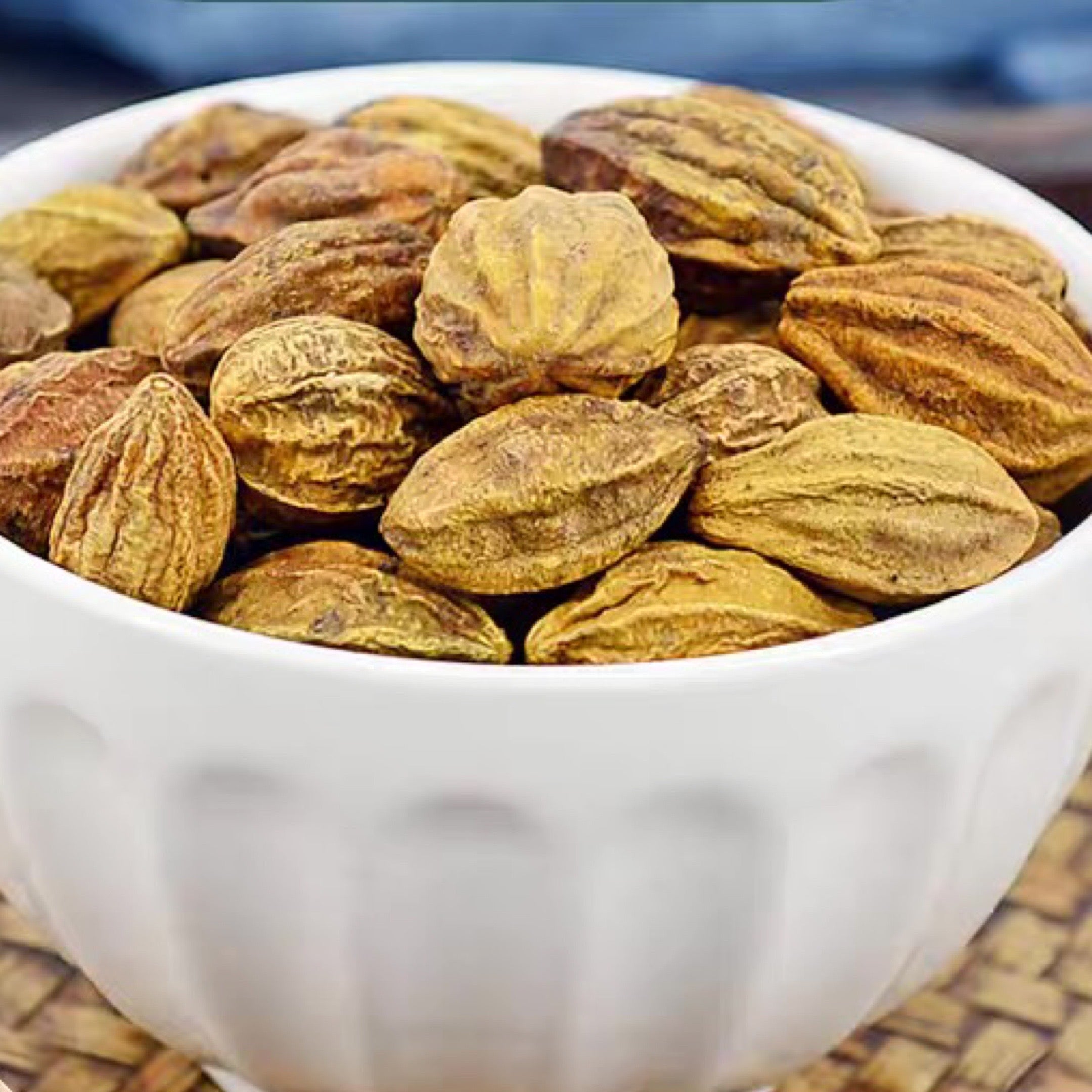


Chebula (He Zi) supports respiratory health in TCM, easing symptoms of cough, asthma, and bronchitis by soothing inflammation and reducing mucus.
Chebula (He Zi) supports respiratory health in TCM, easing symptoms of cough, asthma, and bronchitis by soothing inflammation and reducing mucus.
Codonopsis Root (Dang Shen) enhances lung function in TCM by tonifying Lung Qi, moisturizing the Lungs, and supporting respiratory health. It helps alleviate cough, asthma, and shortness of breath.
Poria (Fu Ling) is an immune tonic herb in TCM, supporting the body's defenses and enhancing immune function. It is commonly used during periods of stress, illness, or chronic condition recovery to bolster the immune system.
Ophiopogon Tuber (Mai Men Dong) nourishes Yin, clears Heat, and promotes Body Fluids production. It's beneficial for dry cough, thirst, and irritability, as well as for moistening the Lungs and relieving respiratory dryness.
 honey is the only binding agent
no artificial fillers or ingredients
herbs harvested at the height of potency
honey is the only binding agent
no artificial fillers or ingredients
herbs harvested at the height of potency
Our herbal supplements are made with natural honey as the binder. Honey can support the lungs, intestine, spleen, and stomach; It works as a natural preservative with antibacterial and healing properties. Unlike other herbal supplement companies that use starch, magnesium, and other chemical substances as binders for their supplements, we only use 100% honey. We also avoid using vegetable capsules because they require chemical components to form the capsule shape.


The herbs in our herbal pill blends are harvested at the height of their potency and they are substantially more expensive than less potent herbs that were harvested in the pre-or post-season, but in our view, there is no substitute for premium quality.
Over five generations we have collected, tested and refined Chinese herbal formulas that themselves draw from 3000 years of experience of Traditional Chinese Medicine. Traditional Chinese Medicine is a profound pathway to create the life you were born to live. It's a timeless bridge that can initiate and support change and growth in any and every life dimension: physical, mental, emotional, and spiritual.

“Good Health is crucial for our overall well-being. It encompasses physical, mental, and emotional aspects, and it's important to prioritize taking care of ourselves to lead a fulfilling life. Emphasizing prevention over cure is paramount for maintaining this balance. Without health, life can become incredibly challenging. It affects our ability to pursue our goals, enjoy our relationships, and experience daily life to the fullest. Good health forms the foundation for everything else we want to achieve and experience.” - Ann Tam
Click below for
If you feel skeptical or unsure of Chinese herbal remedies, I could hardly blame you. I wasn't a believer either until my daughter grew very sick and my father (the 4th generation herbalist) helped her get better with herbs.
I was born into a family of herbalists. My father, my grandfather, my great-grandfather, great-great grandfather were all herbalists. I represent the 5th generation in this long lineage dating back to Imperial China.
When I was three or four years old, I started to learn herbal songs and how to identify herbs. As I got older, I was taught how to process the herbs while working in my dad’s clinic in Vietnam. After we immigrated to the United States, my dad asked me if I wanted to pursue a career in TCM as an herbalist or acupuncturist. I said, “No, just leave me alone, Dad. I will find something I enjoy doing for work.” So, he left me alone to find my own way.
I wanted nothing to do with herbal medicine until I gave birth to my second daughter, Catherine, who was born with severe gastric reflux. When Catherine was 10 days old, I had to take her to the ER for IV injections into her little hand because she couldn’t keep milk down. Besides vomiting, she also was having diarrhea. Catherine was losing nutrition from both ends, so her tiny body was shrinking. At that time my dad warned me, “She needs to be treated with herbal medicine, otherwise she will have seizures later on.” I didn’t fully understand what my dad was talking about, so I ignored him.
My daughter got so ill that she could only take half an ounce of milk per hour. Before feeding her, I would use a syringe and shoot Zantac into her mouth to lessen the vomiting. As time passed, she needed milk more often, and consequently more Zantac. By the time Catherine was 8 months old, she needed to be fed and medicated 11 times a day.
I could hardly sleep, eat, shower or rest. Even at night, I had to drape my daughter over my shoulder for her to sleep. If I put Catherine down, she would vomit. I barely had time to squeeze in a 5-minute shower once or twice a week for myself. I was exhausted, but what could I do? I had to care for my daughter and do my best to survive each day with the hope that she would get better or at the very least her condition would not worsen.
Catherine had to wear a turtleneck with two sweaters along with a baby cap and scarf to be outside during the heat of summer, even when temperatures were 100 plus degrees. If I didn’t cover her up, she would have a runny nose, cough, and non stop vomiting. How will she be able to go to school or anywhere with air conditioning?
One day we went to a Vietnamese pho restaurant. After I set Catherine down into the high-chair, I turned around and adjusted my chair. Then I heard a woman’s shout, “Look at her!” I looked in the direction she pointed. It was Catherine…her eyes rolled up and her entire body stiff and shaking with fluid coming out of her mouth. Someone said, “Squeeze some lemon into her mouth.” I did it without hesitating and Catherine’s body relaxed.
We rushed her to the ER. For 3 days she was in the NICU where they monitored her brain. The doctors told me I was lucky because my daughter’s seizure didn’t last for more than 3 minutes which would have damaged her brain. After that I always carried a piece of lemon because I had no idea when my baby girl might have another seizure.
The seizures started to come weekly, so the doctor prescribed anti-seizure medication. Catherine wasn’t even 1 year of age, and already she was taking Zantac 11 times plus anti-seizure medicine 3 times a day. It was nearly impossible to administer the anti-seizure medicine because whenever I took out the syringe, she would cry and start vomiting.
I took Catherine to see a specialist at CHOC. I asked, “Doctor, have you ever seen any infant with this condition get well?” The doctor replied, “It depends. Some will grow out of it, but some don’t. If they don’t, then they will have to take medication for the rest of their life.”
“What do you mean by grow out of it?” The doctor explained that Catherine might get better by herself as she got older.
My mind was racing. “All this time the prescribed medication has not been treating her stomach?” The doctor said, “No, it only helps to guide the food down, so she won’t vomit it back up. That’s why you have to give it to her before the feeding.”
“Well, what if she doesn’t grow out of it?” In that case, Catherine will be dependent upon medication for the rest of her life. The doctor further informed me that she too was born with gastro reflux and is still taking medicine for the condition.
Her statement was like lightning in my brain. If the doctor can’t even treat herself for gastro reflux, how can she help my daughter? Seeing the futility of my path, I turned to my dad for help.
My dad advised me to stop all western drugs and to give her an herbal prescription 3 times a day. Administering medicine 3 times instead of 14 times a day to Catherine was a godsend to me. Even though it sounded too good to be true, I figured that I could still give Zantac to Catherine if she didn’t get better or continued to vomit.
After one month of herbs 3 times a day, Catherine vomited less and less. To test Catherine, I let her cry to see if she would vomit. She didn’t, so I knew she was getting better. After another month of herbal medicine, Catherine was able to wear less clothing without getting a runny nose, coughing, or vomiting. After 3 months of herbal formulas, she stopped having episodes of gastro reflux and seizure. Catherine will enjoy a normal, healthy life.
Because of Catherine’s dramatic recovery, I was sold on Chinese medicine and asked my dad to treat me. I fainted very easily, especially during the winter. After a few months of herbal formulas, I have never fainted again.
I started to have time to think and tried to understand why a piece of lemon helps to relax the muscles and stop a seizure. Lemon is a common citrus, yet it has magical powers that we don’t understand and underestimate. I wanted to learn more and find answers, so I decided to go to China which has a long history of herbal medicine. I went to TCM schools in China and Hong Kong and worked in the TCM hospitals to learn from the best herbal doctors in the world.
When I was there, I knew one day I would want to become an herbalist, but how can I get a steady supply of high-quality herbs. My dad and I backpacked across China and visited many farmlands. We interviewed farmers to grow herbs for us. Our products are used with the highest quality herbs that have been harvested at the height of their potency. They are substantially more expensive than less potent herbs that were harvested in the pre- or post-season.
After I came back to the United State, I worked with my dad and learned from his experiences and studied the formulas that our ancestors passed down. What I have been through helped me to understand the importance of health. Without health, don’t even talk about career, beauty, education, freedom, etc. I now have worked with many families who have suffered as I have. Their endearing appreciation drives me to work harder.
Our namesake "Silkie" is a Chinese breed of chicken that is well known for its calm and friendly temperament. They are gentle and caring and make wonderful mothers. A Silkie loves nothing more than brooding a cluster of eggs, whether they are hers or not, even if they are "duck eggs". We share the same outlook and care for our clients the same way we care for our own family.
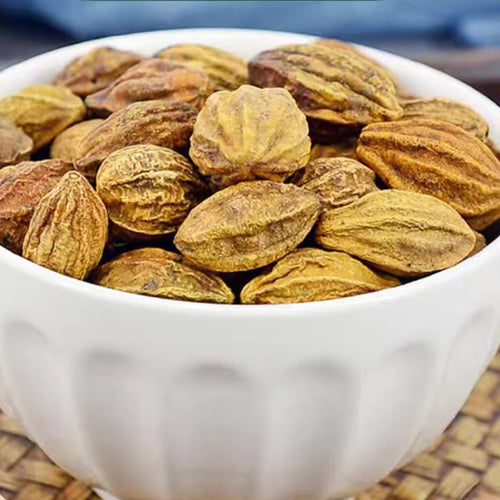
Nature and Flavor: He Zi is classified as sour, astringent, and slightly warm in taste and nature. Its sour and astringent flavors help to astringe and consolidate bodily fluids, while its warmth aids in promoting circulation and dispelling cold.
Meridian Affinity: This herb primarily targets the Liver, Kidney, and Large Intestine meridians.
Therapeutic Functions:
Common Applications:
Preparation and Dosage: He Zi is commonly available in dried fruit form and can be prepared as a decoction, powder, or added to herbal formulas. The dosage may vary depending on the specific condition being treated and individual needs. It's essential to consult a qualified TCM practitioner for personalized guidance.
Nature and Flavor: Sheng Di Huang is classified as a yin-tonifying herb with a cooling nature. Its taste is described as bitter and sweet.
Meridian Affinity: It primarily affects the Heart, Liver, and Kidney meridians.
Therapeutic Functions:
Common Applications:
Preparation and Dosage: Sheng Di Huang can be used in various forms, including decoctions, powders, pills, and extracts(not recommended.) Dosage may vary depending on the specific condition and the formulation used. It's essential to consult a qualified TCM practitioner for personalized guidance.

Nature and Flavor: Dang Shen is classified as sweet and slightly warm in taste and nature. Its sweet flavor helps to tonify the Spleen and nourish the Qi (vital energy), while its warmth helps to promote the circulation of Qi and alleviate symptoms of cold.
Meridian Affinity: This herb primarily targets the Spleen and Lung meridians.
Therapeutic Functions:
Common Applications:
Preparation and Dosage: Dang Shen can be prepared in various forms, including decoctions, teas, soups, and extracts. The dosage may vary depending on the specific condition being treated and the formulation used. It's essential to consult a qualified TCM practitioner for personalized guidance.

Nature and Flavor: Fu Ling is classified as sweet and bland in taste and neutral in nature. This makes it gentle on the digestive system and suitable for a wide range of constitutions.
Meridian Affinity: This herb primarily targets the Spleen, Lung, and Heart meridians.
Therapeutic Functions:
Common Applications:
Preparation and Dosage: Fu Ling can be prepared in various forms, including decoctions, powders, pills, and extracts(not recommended.) The dosage may vary depending on the specific condition being treated and the formulation used. It's essential to consult a qualified TCM practitioner for personalized guidance.

Nature and Flavor: Mai Dong is classified as sweet and slightly bitter in taste and cool in nature. Its sweet flavor nourishes Yin and moistens dryness, while its cooling nature helps clear heat and resolve fire-related conditions.
Meridian Affinity: This herb primarily targets the Heart and Lung meridians, though it also influences the Stomach and Spleen meridians to some extent.
Therapeutic Functions:
Common Applications:
Preparation and Dosage: Mai Dong can be prepared in various forms, including decoctions, powders, pills, and extracts(not recommended.) The dosage may vary depending on the specific condition being treated and the formulation used. It's essential to consult a qualified TCM practitioner for personalized guidance.

Nature and Flavor: Pure honey is classified as sweet in taste and neutral in nature. Its sweet flavor makes it appealing for culinary use, while its neutral nature makes it suitable for a wide range of constitutions.
Meridian Affinity: Honey has a harmonizing effect on all meridians, making it a versatile substance that can be used to support overall health and balance in the body.
Therapeutic Functions:
Common Applications:
Preparation and Dosage: Pure honey can be consumed on its own or added to herbal teas, decoctions, or other medicinal preparations. The dosage may vary depending on the specific condition being treated and the individual's constitution. It's essential to use high-quality, unpasteurized honey to ensure maximum therapeutic benefits.

Combining herbal formulas can effectively address multiple health concerns or enhance overall well-being.